This month, Molly Keogh, co-founder of Osei-Duro alongside her business partner, Maryanne Mathias, shares the thinking behind their recent decision to close their brand’s doors. Osei-Duro has always stood for so much more than clothing, from equitable partnerships to celebrating and preserving Ghana’s rich textile heritage. It’s with heavy hearts that we share her story, but we’re grateful to Molly for being so open and candid with AOW readers.
I’ve been following the company for well over ten years and have always been impressed by the way Molly and Maryanne have run their business—their beautiful imagery, strong storytelling, hip apparel designs, and strong product focus. The textile artists they supported have also always been at the heart of their vision.
We know well that, even with all of that, it’s difficult to sustain an artisan business. It’s hard to scale without losing the vision that led us into these sorts of businesses in the first place. Molly and I spoke about the challenges that ultimately led to the closure, including scaling, hiring, advertising, and what she would do all over again.
Molly was incredibly gracious in opening up to us. These stories are not easy to tell, especially after spending more than 17 years pouring her heart and energy into this business. I’m very appreciative of Molly and Maryanne, for being so candid, and I really hope we can all gain something from this conversation. Here we go!

To start, for those who might be unfamiliar, could you share some background about yourself, your brand Osei Duro, and its vision? After over 15 years, you chose to close Osei Duro. Could you explain why you made this decision?
I grew up on the West Coast of the US, learning lots of crafts and handwork. I started sewing very young and went to Waldorf schools, which are big on textile work. I studied Fashion Design in the Bay Area at CCA/C (RIP) and then went to work in LA as a costumer in the film industry.
Maryanne and I had gone to HS together, and years later, in 2008, she approached me about starting a project in Ghana, where she had traveled and been inspired by the textiles. We framed it as an experiment from the start. What happens when two fashion systems meet? When two white North American designers create work in a West African context?
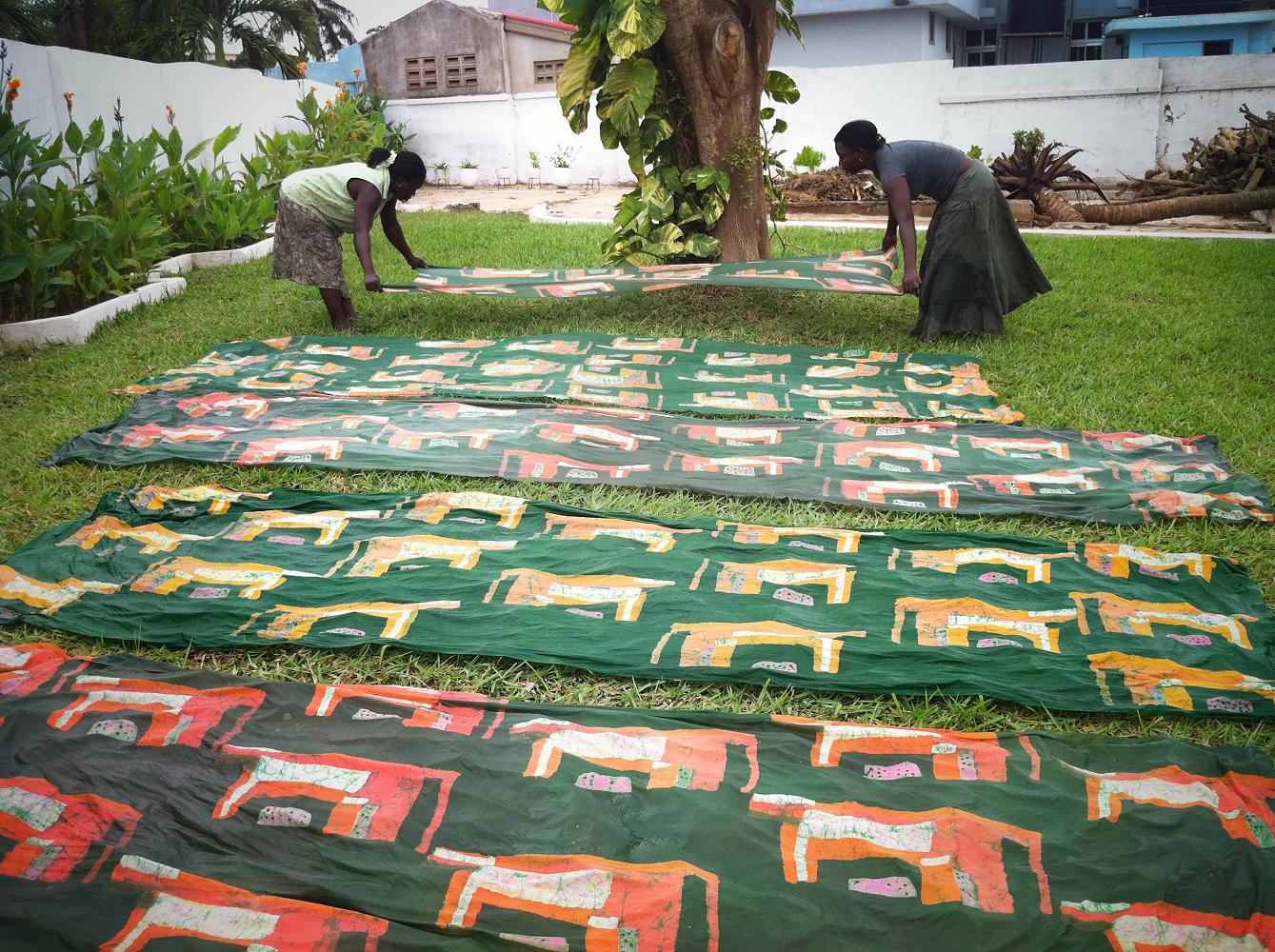
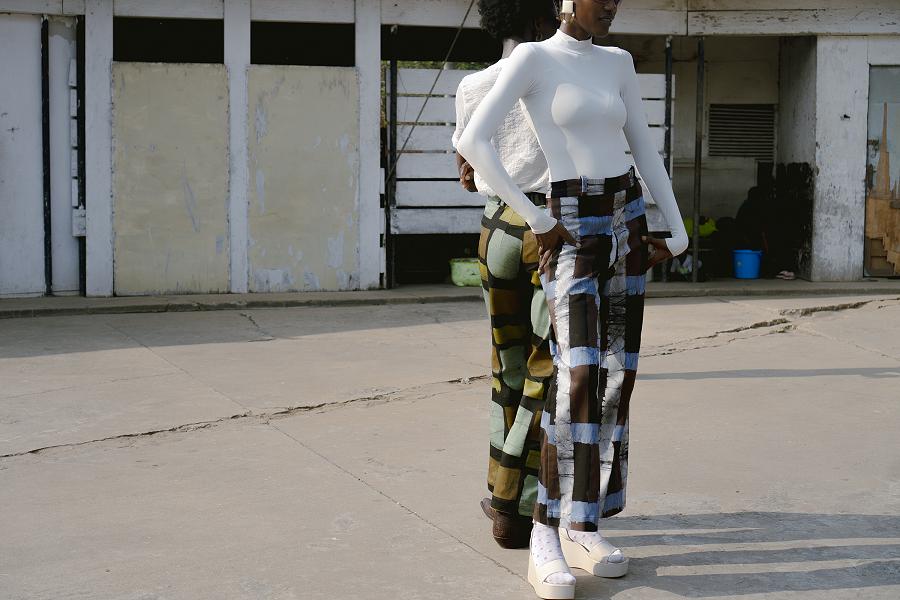
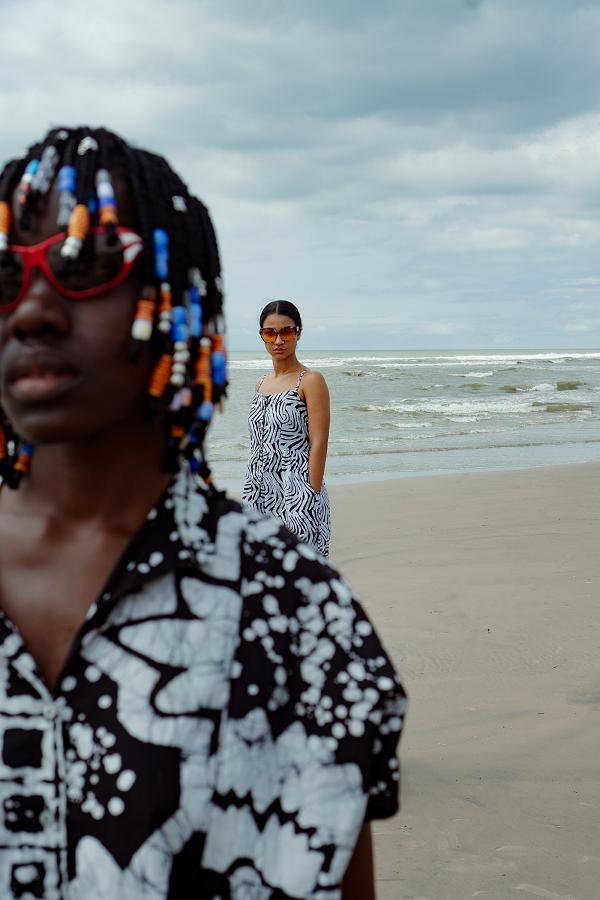
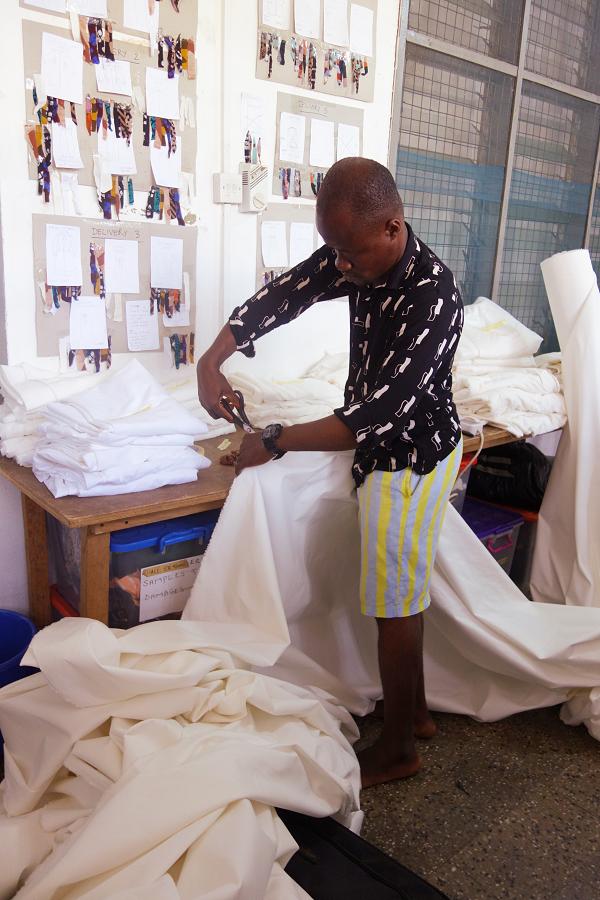
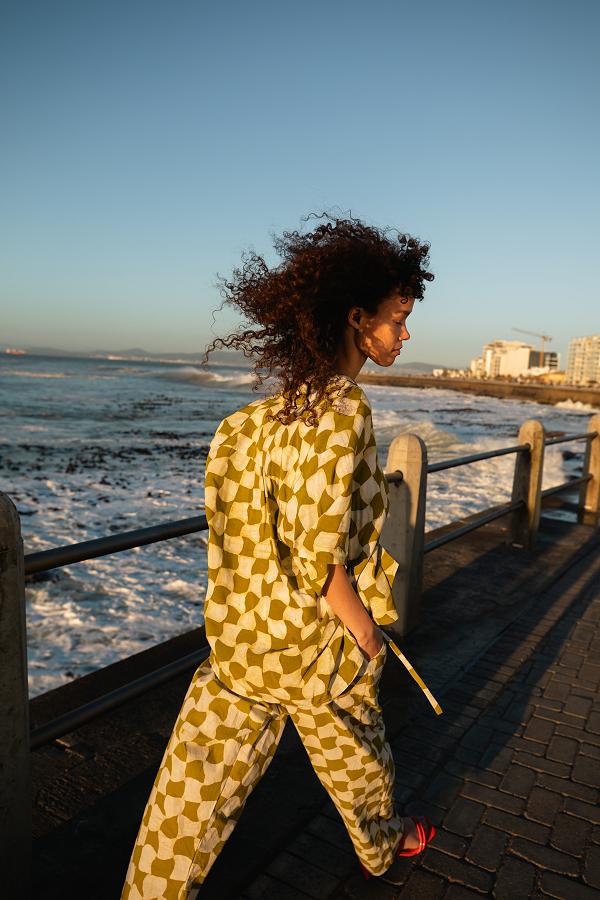
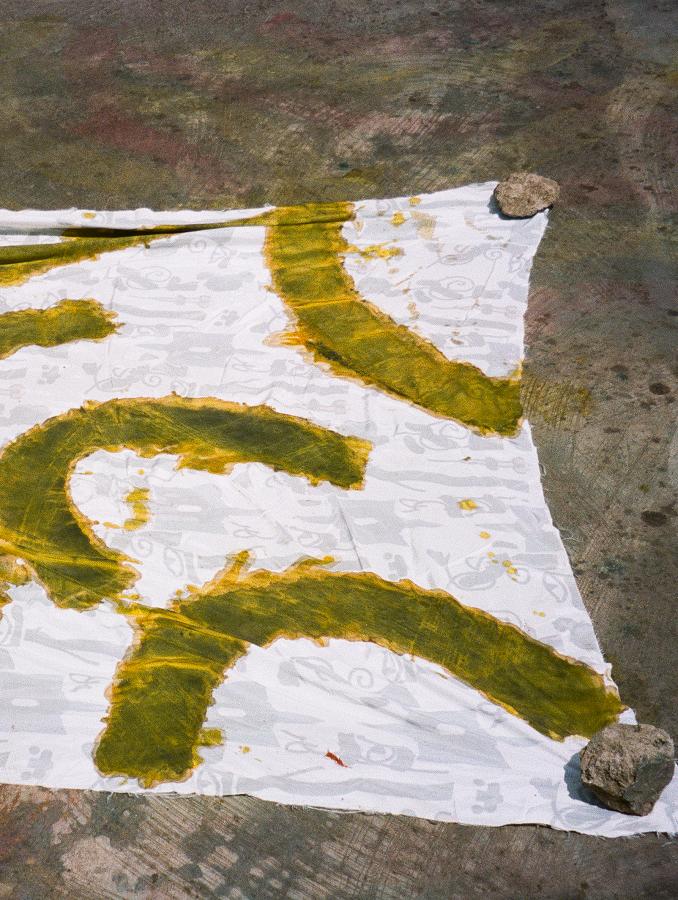
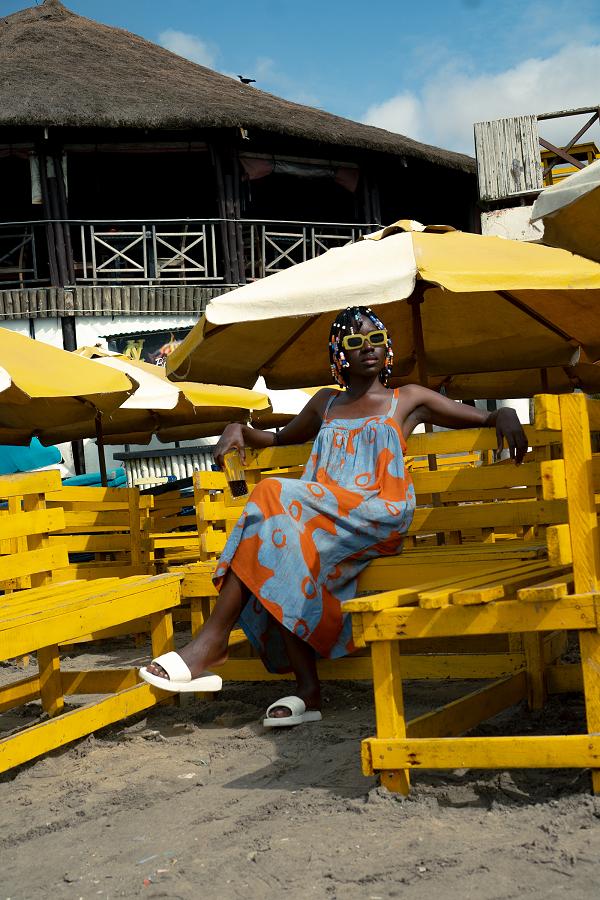
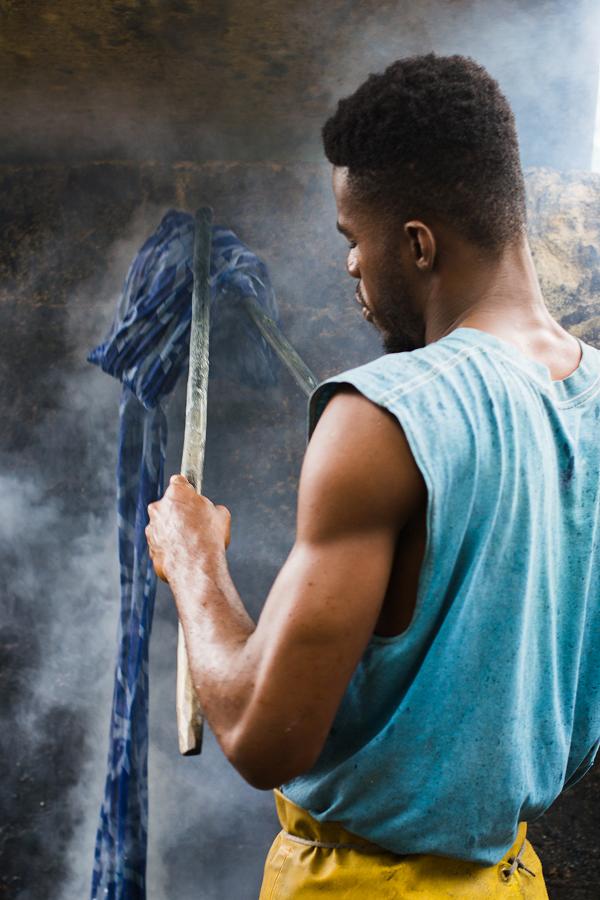
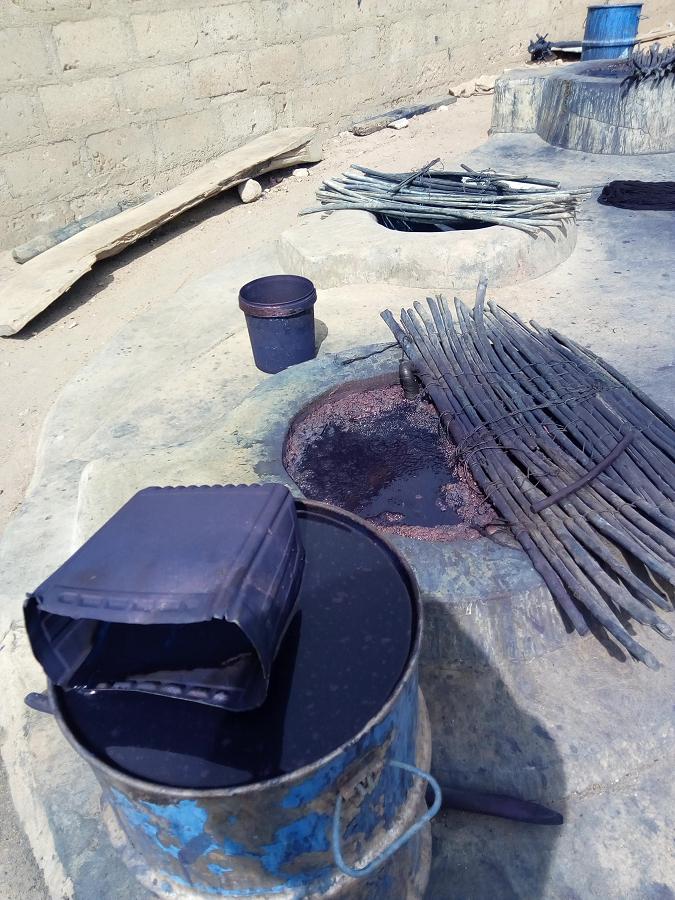
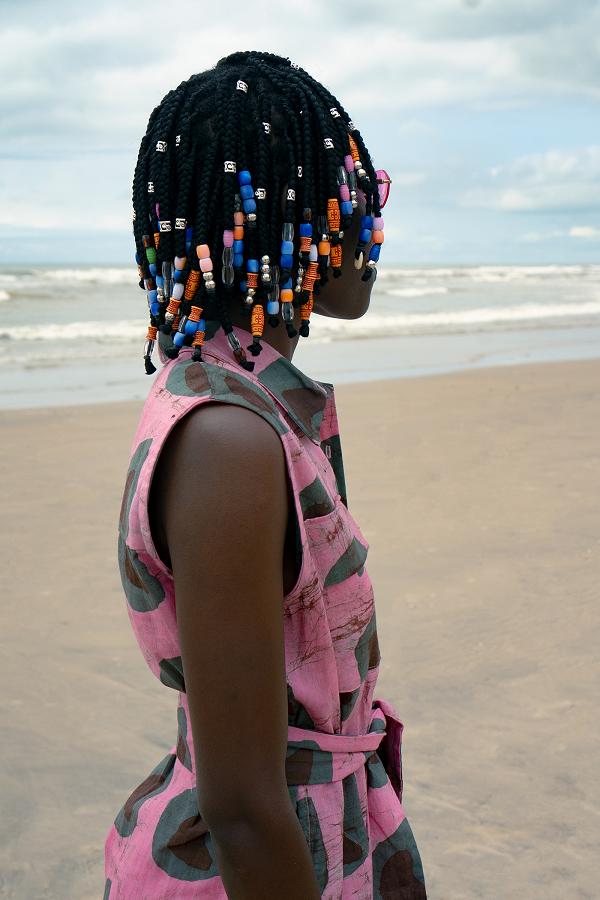
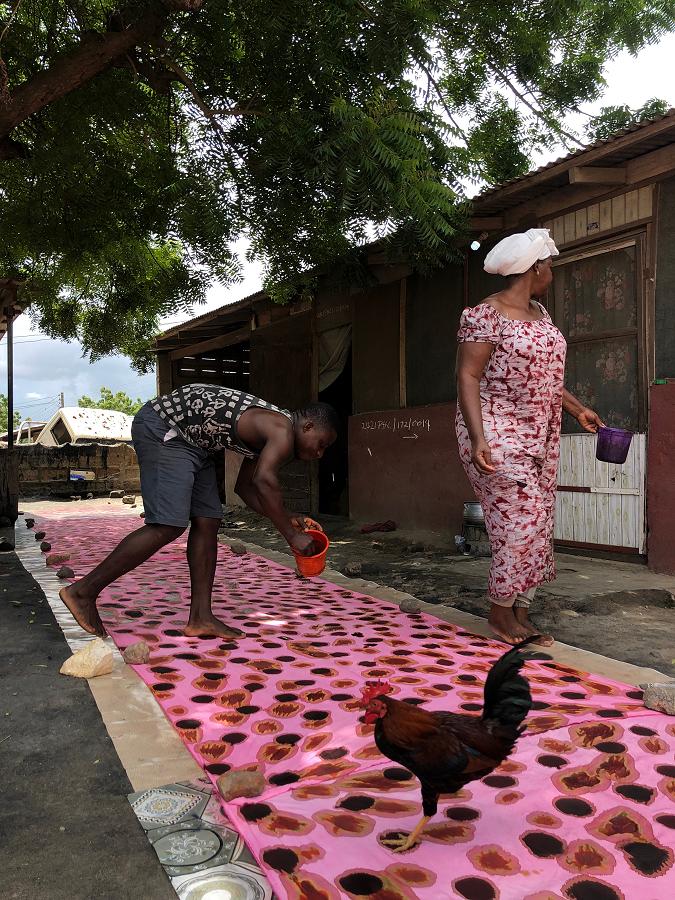
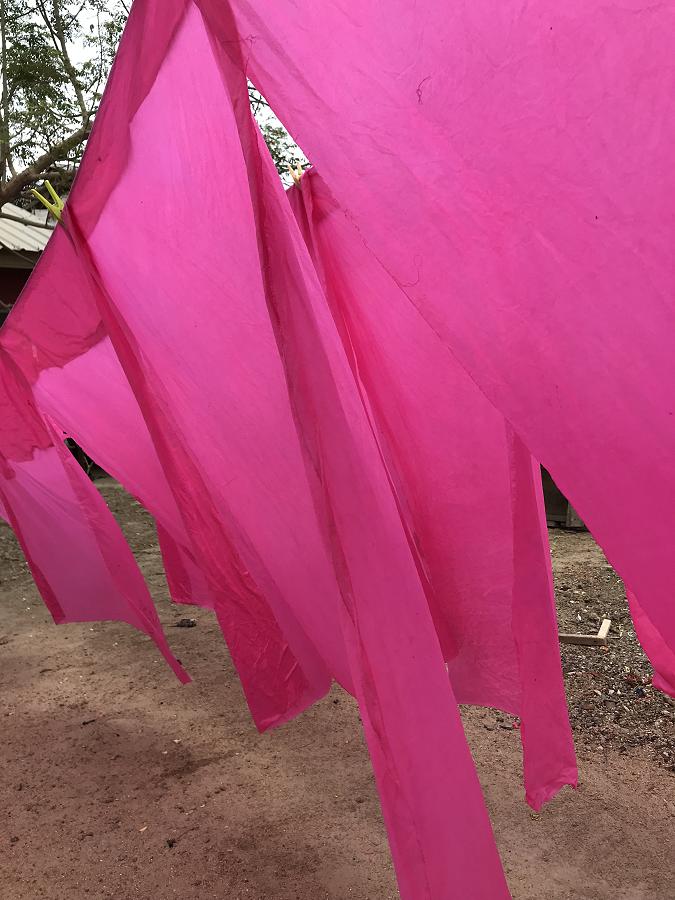
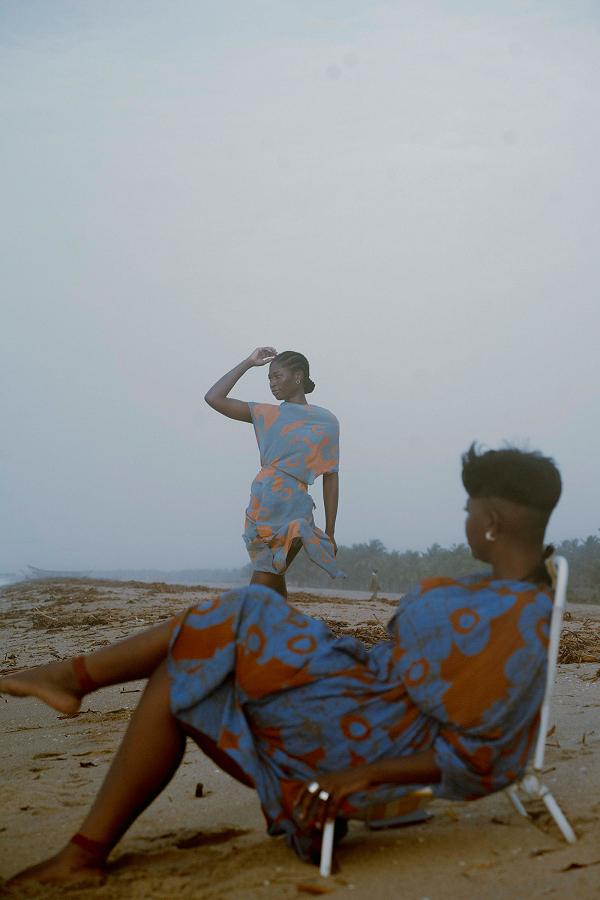
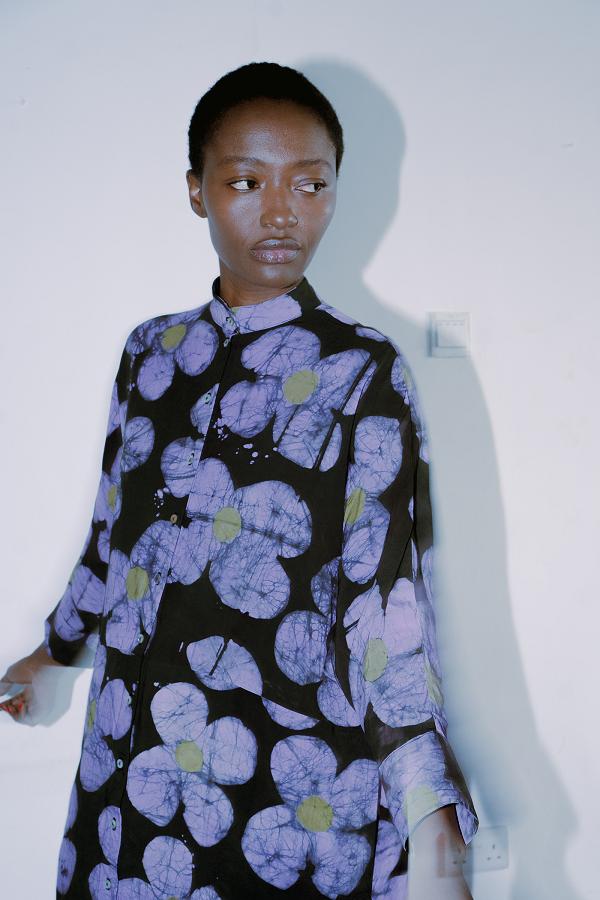
We started very small and built our supply chain from the ground up. Batikers in Ghana typically use stiff cottons, and it was a big shift when we started testing on softer fabrics. It took a few years to figure out who we were as a brand, but eventually we landed on what resonated for us and our customers. Osei-Duro was a small-batch, handmade, sustainable fashion brand focused on transparency, creating great jobs, and keeping handmade textiles alive and relevant. Our signature was our colorful, comfy dresses, but we also did a lot of other things, from lost-wax-cast brass jewelry and narrow-strip handweaving to artists' residencies and collaborations.
2020 and 2021 were years of rapid growth for us, and we increased our overhead significantly – renting a much bigger office space and tripling the size of our team. By 2023, we started to see sales dip, and that continued in 2024 and 2025. We started looking for ways to restructure, maybe bring in investors, but how we operated was very specific, and we felt strongly that any solution needed to maintain the ethos. In the end, we tried so many things, and we simply couldn’t find a way forward. We were making late payments to suppliers and staff and looking at ways to cut corners. It wasn’t a way I felt good about operating. There were many conversations and much heartache, but eventually it felt like it was just time.
What were some of the bottlenecks you continually faced while running an artisan brand?
Cash flow is often an issue. Having the means to afford things like biodegradable packing bags or even just large enough fabric orders to ship by sea for a smaller carbon footprint was important for us, but not always possible with cash flow.
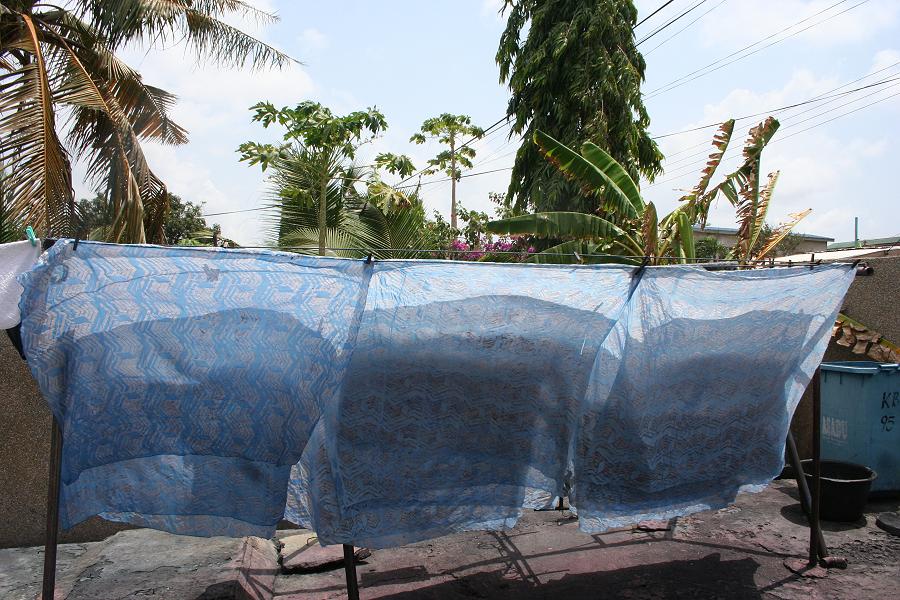
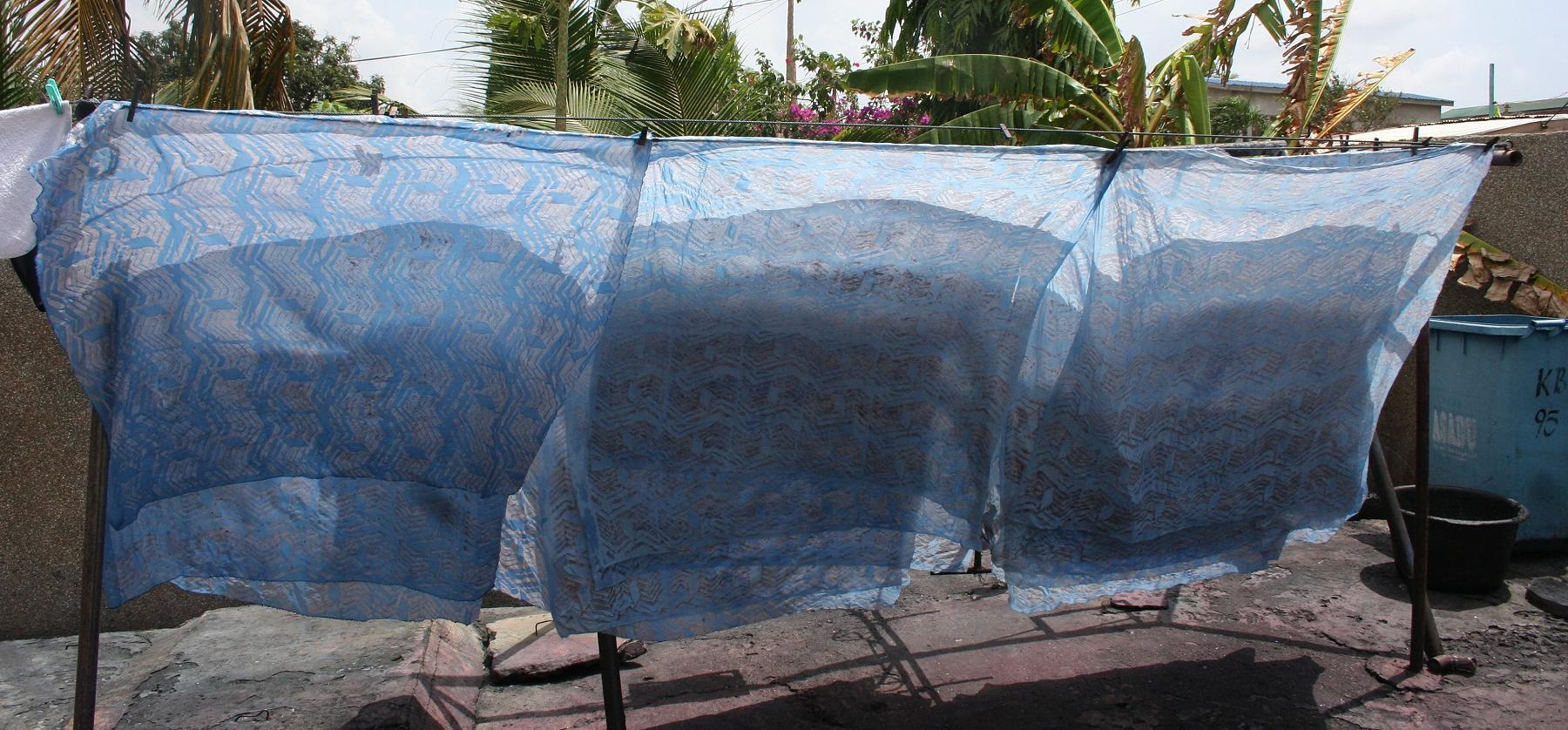
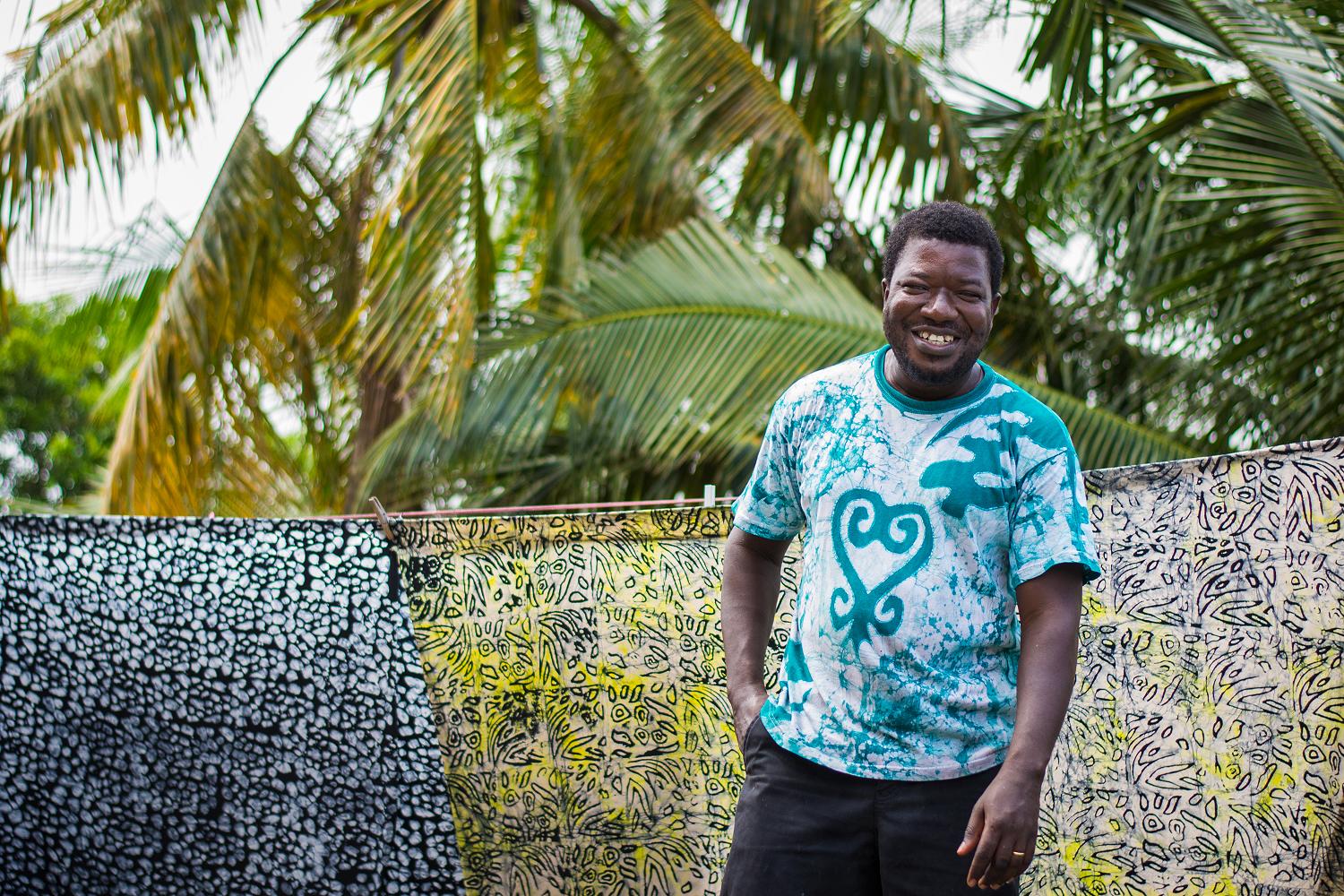
Maintaining consistent batik capacity was also a frequent bottleneck for us. We were always interviewing new batikers. Most of the batikers in Ghana don’t replicate their work on the scale we wanted, so it was a matter of finding people who were interested in developing that consistency. This means writing down recipes and doing frequent tests. We were asking people to change their methods in a fundamental way. It’s slower and more tedious, and we found that many batikers simply didn’t need to add that complication for themselves.
"Over time, I became interested in growing better, not bigger, and also in lateral growth, and I have many ideas for directions to expand in."
When thinking about scale and growth, where did you feel you kept hitting limitations?
I will always be someone skeptical of growth for its own sake, and I do think the ideal size for a company like ours is not super big. That said, we found that there was a threshold at which we could comfortably operate, and it made sense to aim for that. Some years we hit it, some we didn’t. Usually the limitation was on the demand end. In the last few years, I think this has been pretty directly linked to the increased inefficiency of paid advertising, especially on social media.
I know that when you entered this field, you were resistant to scaling—and rightly so, as it requires immense investment and often pushes brands into volume-driven business models that don’t align with craft. What forms of lateral growth were you considering instead?
Over time, I became interested in growing better, not bigger, and also in lateral growth, and I have many ideas for directions to expand in. Training and education for others in the textile industry in Ghana has become a focus. Providing resources like costing templates and quality control training, and access to services like pattern grading. We thought many times about setting up our own dye studio to be able to do more R&D and more natural dyeing. I was always looking for time to put into testing accessible low-tech solutions for dye wastewater remediation. There has been some skill sharing between artisans in India and in Ghana, and I would love to facilitate more of those types of exchanges. There are a few new projects along these lines in the works for me now, which I am not quite ready to talk about, but please stay tuned!
"I think if I were to do it again, I might retain more focus on wholesale, instead of shifting so much to DTC, because the visibility that being in stores can give you is valuable."
If you were to give three pieces of advice to someone looking to start a similar artisan-driven brand, what would you tell them? If you were to do it all over again, what would you do differently—whether in terms of investment, production choices, or growth strategies?
Lately I’ve been harping on about thinking carefully about how you want to spend your time. A lot of people start this work from a creative angle and then end up doing left-brain laptop work all day. If you don’t want to spend your time on spreadsheets, you need to find a skilled person to do that, whether it’s a contractor or an employee or a partner. That work can be creative too, but it can mean shifting gears. I was surprised to find HR and budgets was a rewarding challenge, but it also sometimes got in the way of carving out time for design. It’s ok to let experts do certain tasks for you.
Starting slow and small is ok. It gives you time to figure out who you are at a pretty low risk. Osei-Duro didn’t pay us for the first five years, and so we kept doing other work. It gave us a chance to try all kinds of weird things at a scale and risk level where it wasn’t such a big deal if something flopped.
I think if I were to do it again, I might retain more focus on wholesale, instead of shifting so much to DTC, because the visibility that being in stores can give you is valuable. I would also more quickly develop a balance of the wilder limited-edition stuff and the bread-and-butter dresses. Almost everything in between can go, but of course we had to learn that by doing
Tell us a bit about the batik industry in Ghana - I realize it's an extraordinary but often undervalued craft. Why do you think that is? What shifts—cultural, industry-wide, or consumer-facing—would need to happen for this artistry to be appreciated and sustained locally?
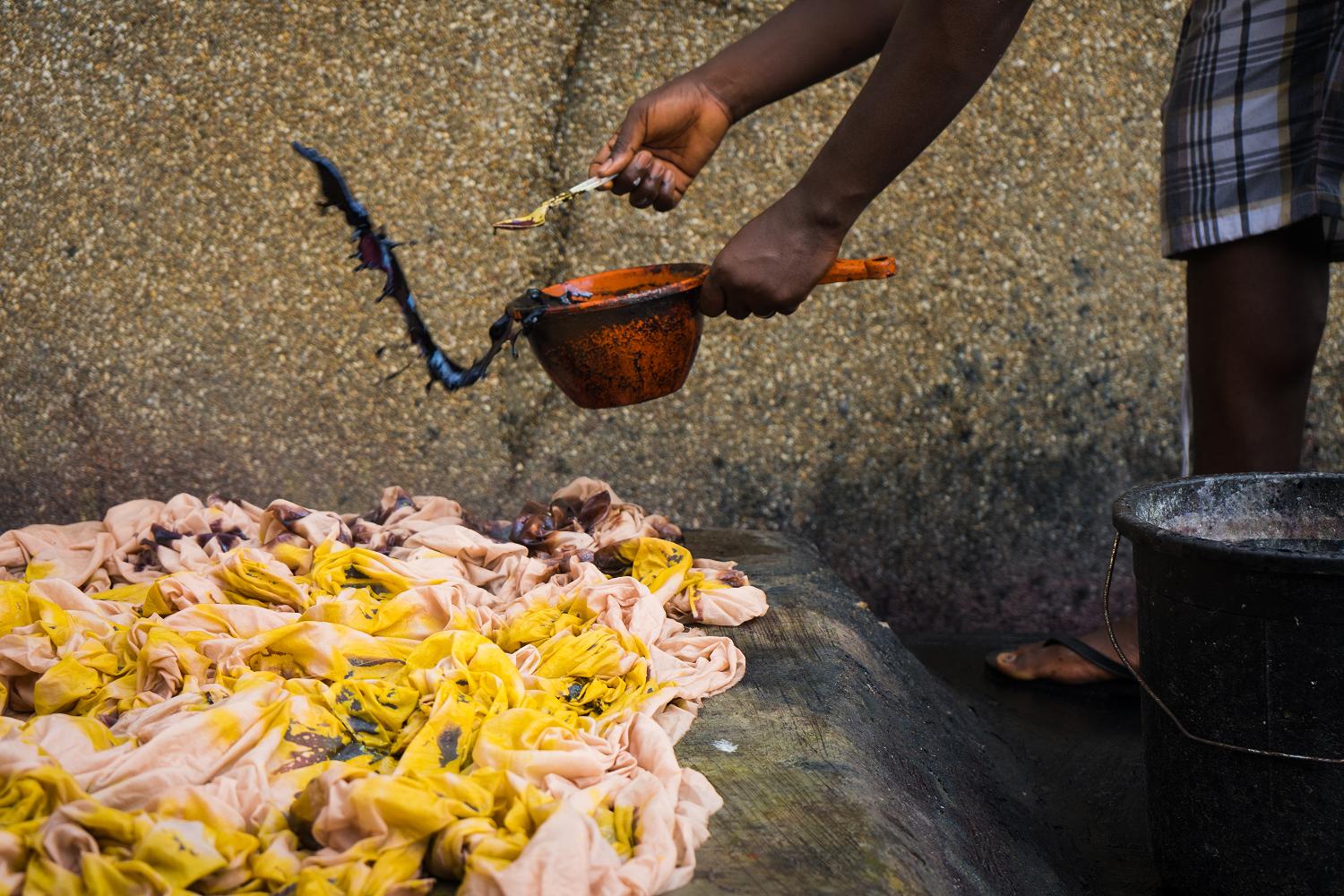
Thank you for this question. I did research for my master’s degree around batik in Ghana in 2015-2017, and it is a favorite topic! I have so many thoughts, but I will try not to get too longwinded here. Because it is fascinating! In Ghana there are several well-known traditional textile practices, from Kente to Adinkra to Asafo flags, which all hold cultural symbolism and significant value. This is a region of the world where textiles were a literal currency for hundreds of years prior to colonization. But batik doesn’t behave the same way that the other handmade textiles in the area do. Even though wax resist processes showed up a lot later (less than 150 years ago), their origins are unconfirmed. Batik has no creation story in Ghana, and it also holds no great value. For a long time it was primarily used to give new life to old clothes. It is less symbolic, and more practical. Only very recently is batik having a sort of renaissance with younger designers across West Africa, and people are starting to see it and use it as Fashion.
I think since it is relatively young, we are in a great place to shape it into something sustainable. It is an exciting time for batik in West Africa! Integrating local natural dyes and refining methods to clean wastewater are a few obvious places to start. A batiker’s union that can advocate for fair pricing and health and safety standards would also be a huge step.
The conversation around advertising is one that many small brands are grappling with, and it’s become one of the biggest financial drains. What advice would you give a small brand pursuing wholesale vs. one pursuing DTC? And do you believe advertising is essential for a DTC brand? Or, if not, what is the other way?
Yes, marketing is a huge expense, and growing, from what I can see. And trade shows can be painfully expensive. We stopped attending trade shows in 2017 and never went back. Even before that we spent several years doing independently organized showrooms with small, curated groups of 5-7 designers, which was a great middle ground. We made sure our products didn’t compete and we rented a storefront somewhere close to the trade shows at the same time. This was a great way to cut costs, control and elevate the vibe of the space, and get the eyes of each other’s buyers on all the different lines. If I were to do wholesale again, I would do this. I also know brands who get a nice hotel room to sleep in and show in, but the advantage of the group is you all get each other’s traffic.
Our biggest wholesale customer was Anthropologie, and we found that even at their scale we were more or less breaking even on those orders. In 2017 we switched to focusing on DTC, and we started only offering wholesale online. We also stepped away from the usual calendar and offered it much later and asked for prepayment. It was a risky move, but we were ok with losing some customers, which we did. The new terms seemed hardest for American buyers to meet, so we mostly saw a drop-off there. Within a few seasons, it settled into a good balance where we had just enough wholesale orders to cover the cost of buying fabric for the season.
I don’t feel I’m an expert on the most recent ways that the SM algorithms are functioning, but also it seems like maybe no one is? It’s a brave new world again. I do think that having a smooth and functional website is something you can control and should prioritize. Shaina Mote’s site is a great example. After that it’s a combination of organic posting and targeted advertising with the help of someone who understands your aesthetic and your audience. The strategy for selling fashion is specific. The organic content helps build an audience, so you do as much of that as you can. My tolerance is increasingly low, so I’m hoping things expand in more interesting directions soon.
For a long time, advertising was about 13% of our total expenses. In 2024 it went up to 18%, and in 2025 it was 25%. Those increases were in response to falling sales, and they obviously didn’t solve the issue. I think one takeaway is that paid advertising cannot be your only marketing move; there have to be other avenues for connecting to people. Early on, we did a lot of sample sales and pop-ups, which were great for market research and word of mouth. I’d love to get back to doing more of those types of human interactions.
We’ve talked about the huge cost of advertising, but I’m curious—do you think the business could have grown differently without pouring so much into ads? For example, by redirecting that money into a high-traffic brick-and-mortar retail space?
Maybe! It would have been interesting to see. That seems to be working for brands like Zuri. Or more high-profile big wholesale accounts, like Busayo is doing? It does seem that we are hungry for shopping in person, which does something that online can’t quite touch.
Artisan goods often operate on razor-thin margins: high production costs, fair wages, expensive marketing, and low-volume sales. Where is the “sweet spot” for running an artisan brand sustainably? How might the model need to shift? What have you seen—either in your own experience or among peers—that you believe is a viable, sustainable model moving forward?
The business must be healthy if it’s going to support anyone. That was a big early realization for us. It sounds obvious, but I think for artisan brands it can sometimes be an afterthought. If it’s not economically sustainable, it’s not going to be environmentally sustainable either (or actually vice versa too, in the long run). There are a lot of decisions that we may not even realize are decisions, like scale for instance, but the business itself should be designed in response to the context. Maybe you stay small for a long time. Maybe you offer a narrower range of products, or you have multiple separate audiences. It can be tough competing with fast fashion and mass production, but we have found that when we talk about that difference, people really respond – it is a strength.
Overall, I would like to see brands being thoughtful and intentional about all their decisions. Maybe that could be a silver lining of this tight economic moment?
Do you think artisan–brand business partnerships need a new structure, especially for B2B wholesale relationships? I know you started out doing wholesale and then realized the terms weren’t working. Can you tell us a bit about this experience and what terms need to change? What terms should others look out for? Were there any platforms you sold on that led to strong growth?
We started out offering net-30 terms to most stockists. This is quite standard in N America, and it means that stores pay nothing until 30 days after they have received the goods. I’m not by any means putting this on the stores; it’s just the system we have in place. We found it was often a challenge to front all the cost, and yet when we talked to factorers, we weren’t quite big enough for that solution (a factorer is a financing company that buys your purchase orders from you, and then stockists make payment to them, in order for you to have funding up front). Then we decided to change the terms and ask for 100% up front from stores. We were surprised how many people were open to this option. For me, this was proof that you have to try a bunch of different things and see what sticks. Try breaking the rules. Some ideas might be more successful than others, but all can be informative.
As for online platforms, we did work with a few. We generally found that dropshipping was not worth it unless the platform had solid software for seamless integration with our inventory and also had a big enough audience. This combination is surprisingly rare. We had a great partnership for many years with Garmentory, which has both qualities. We also eventually adopted their model of having a Make an Offer option on our website, which many customers loved and was a fun way to move slower product.
I hope I don’t sound overly pessimistic about making and selling fashion. I feel strongly that any time things are so overtly not working, it is a great opportunity for change, and so I am excited to see how things are going to shift next.
Any final thoughts, or perhaps looking back, what do you feel most proud of about Osei Duro’s impact on artisans, on the community?
I am most proud of the relationships I built while running a small artisan brand on the ground, with both those making the clothes and those wearing them. I get so cheesy when I think about it, but we truly all have something to teach each other! We were so fortunate to find the community we did. It gives me hope that fashion can be a radical vehicle for change.
For more info, visit: https://oseiduro.com/