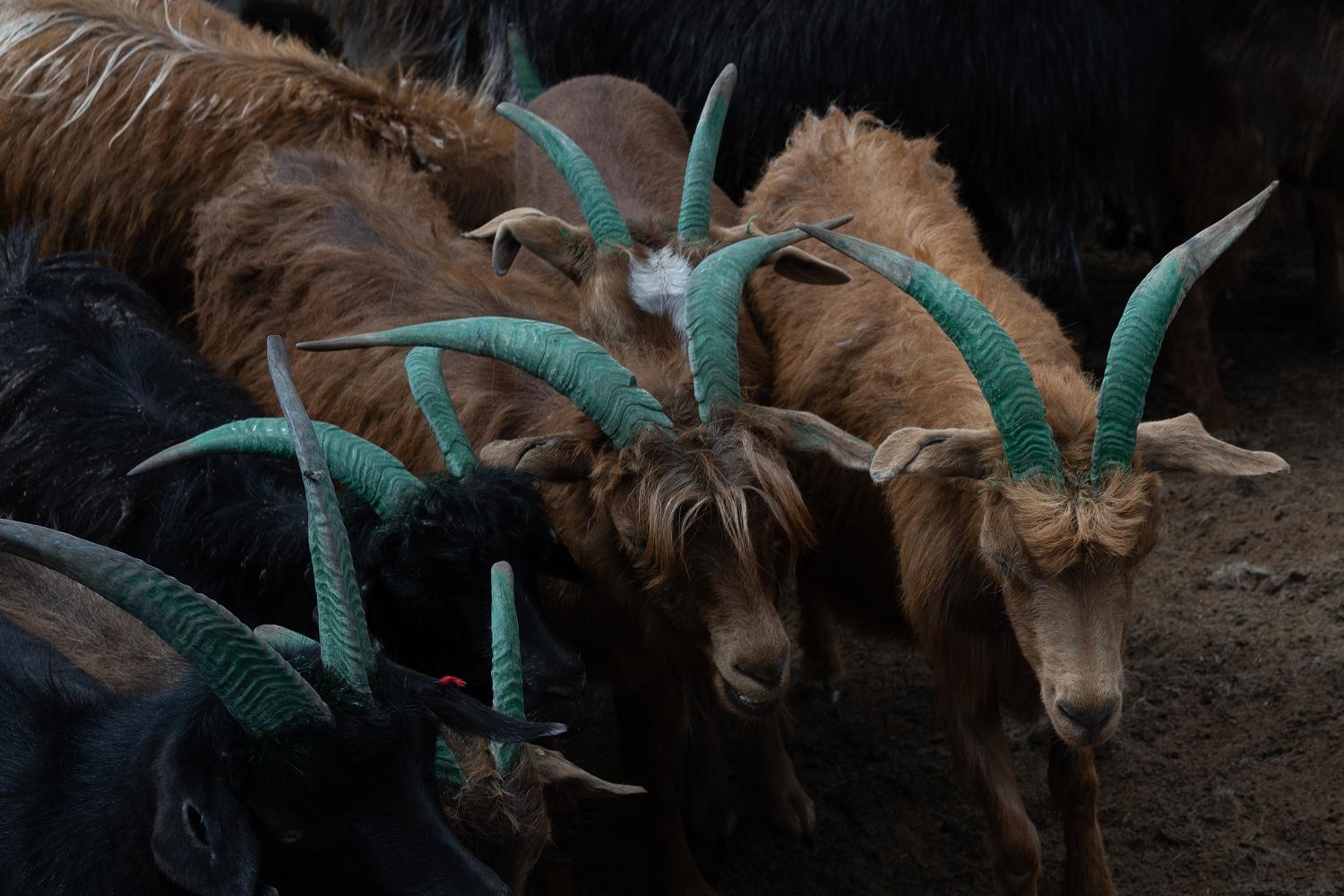
This next interview is well overdue! This month, I'm sharing a conversation I had with craft consultant Urnaa Urankhishig, who works for many small cashmere brands, including Heart Felt, based in Ulaanbaatar, Mongolia. Around half of the world's cashmere comes from Mongolia, so we discussed the country's cashmere industry and what sustainability really means for this precious natural fiber.
I know sustainability is a buzzword that gets tossed around endlessly, so during my trip to Mongolia this summer, I really wanted to dive into the specifics. My hope was to gain a better understanding of the supply chain for cashmere, why the industry is so important to local communities and the economy, and what it takes for cashmere to be truly sustainable for Mongolian people and their nomadic way of life. This is especially important as increasingly extreme weather impacts many vulnerable herding families.
While there, I followed the cashmere supply chain, meeting the people who wash, sort, collect, weave, and spin it. I also stayed with a nomadic herding family that raises sheep, goats, and yaks, so I could see this fascinating fiber at its source.
It's a complex topic, so I was grateful to speak with so many experts. I'm delighted to share my findings with you, so you can better understand what makes cashmere, yak, and sheep wool sustainable, and why transparent supply chains matter. Enjoy the interview below!