This month, I’m honored to share an interview with Lindsay Girvan, the inspiring founder of
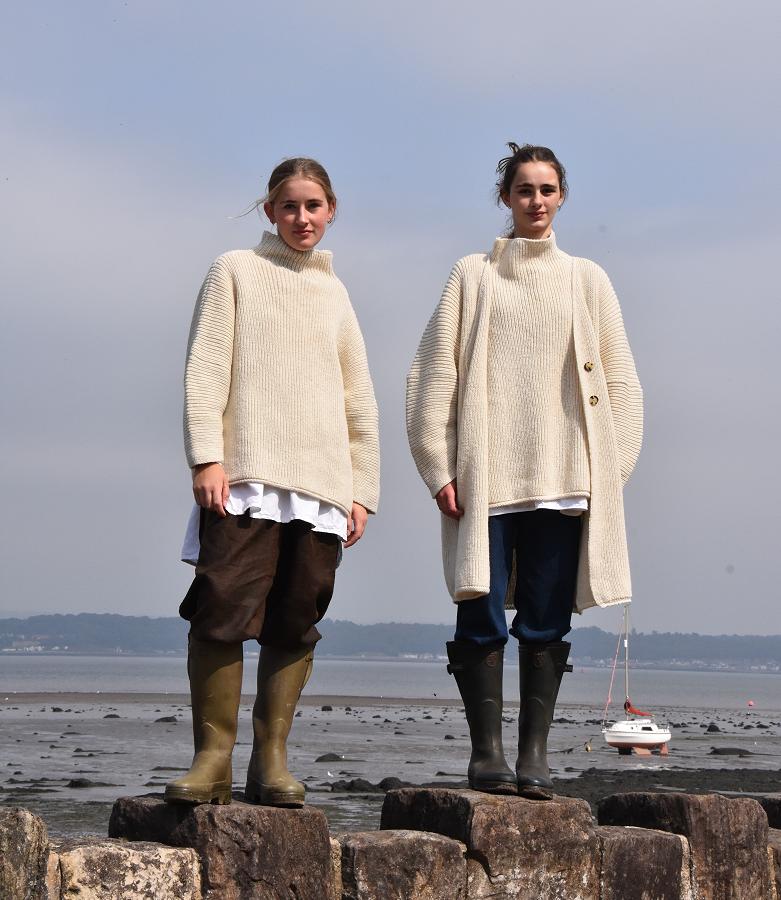
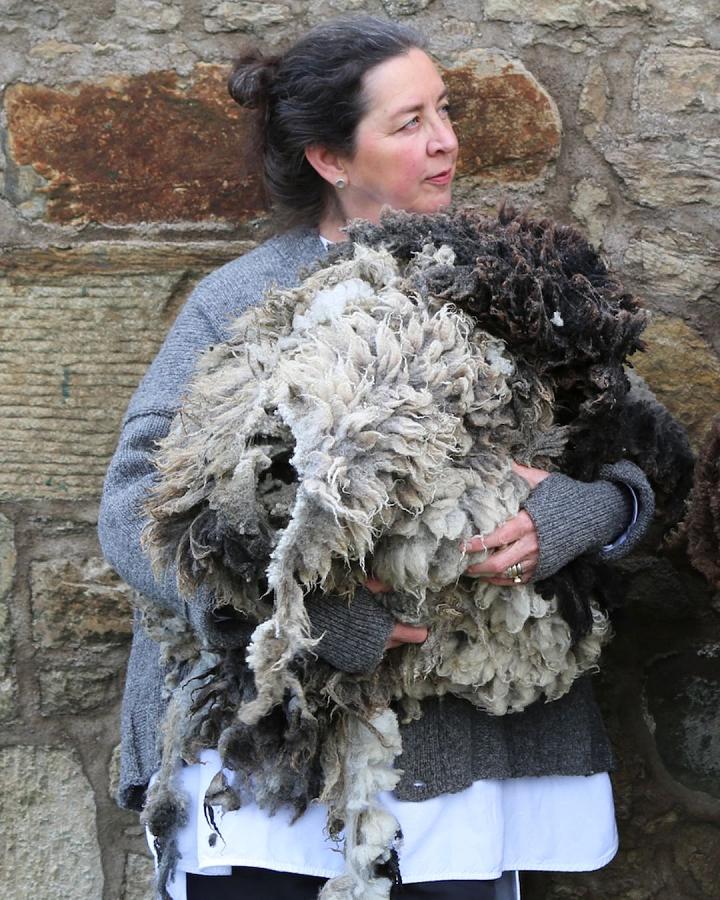
Future Vintage. Launched in 2023, the Scottish knitwear brand is rooted in the rhythms of nature and local heritage textile traditions.
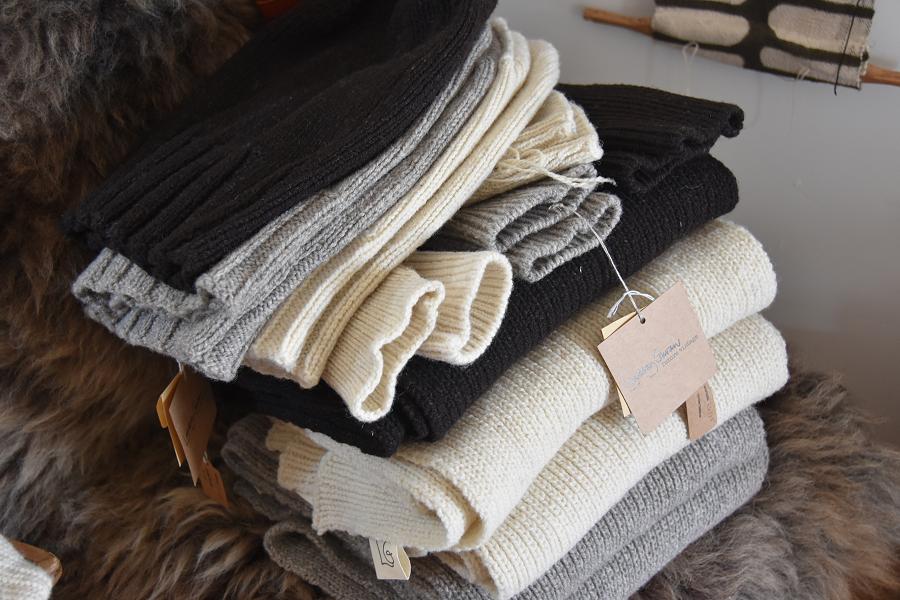
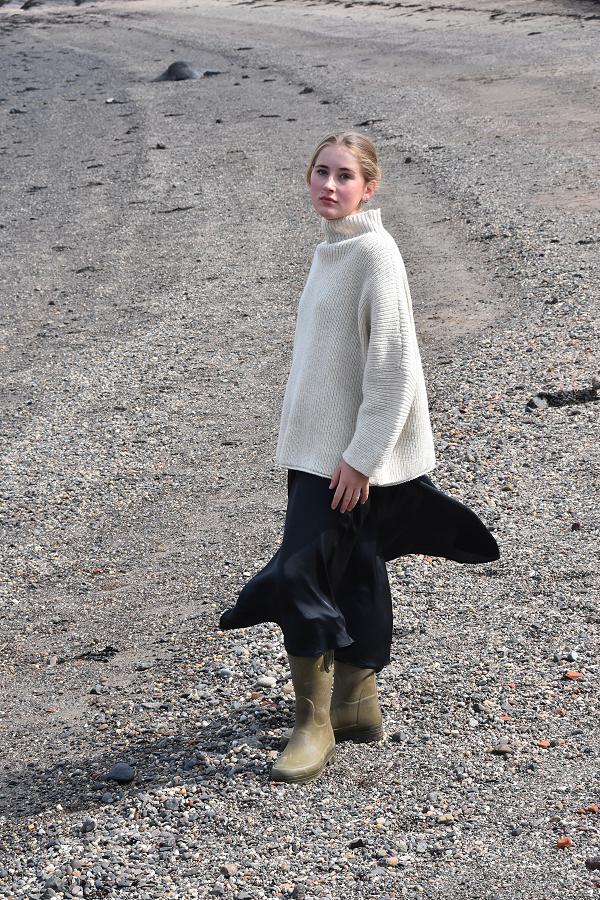
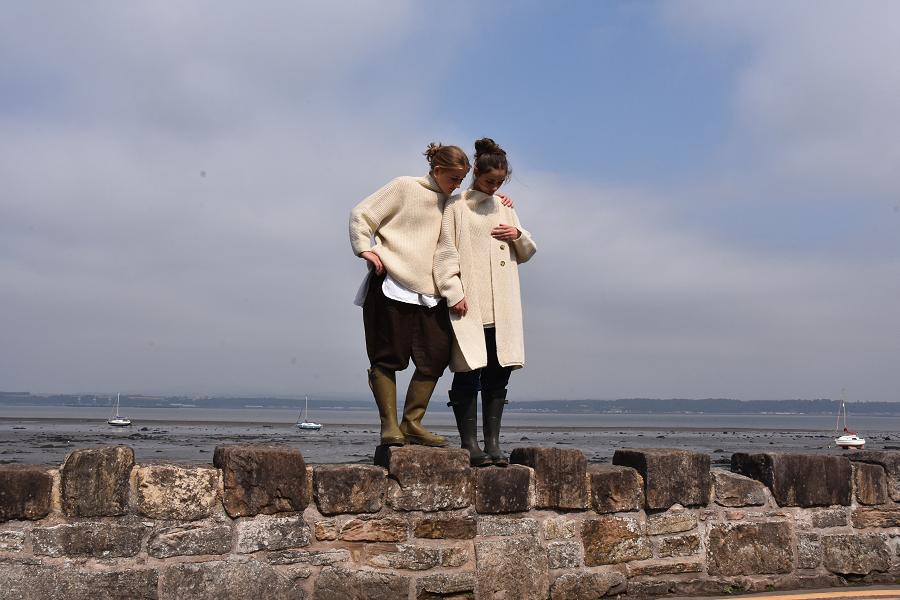
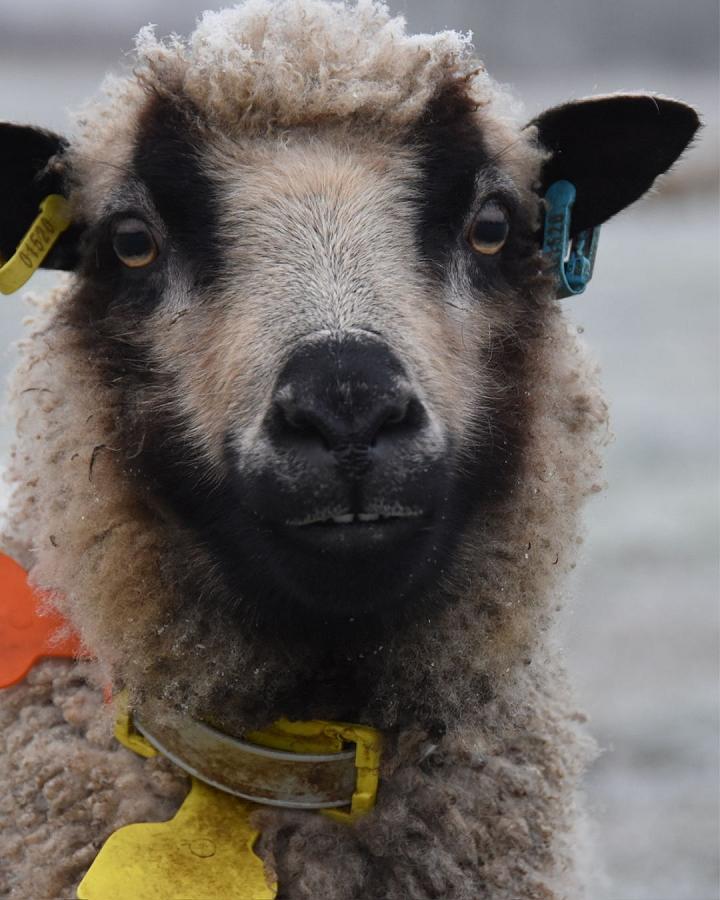
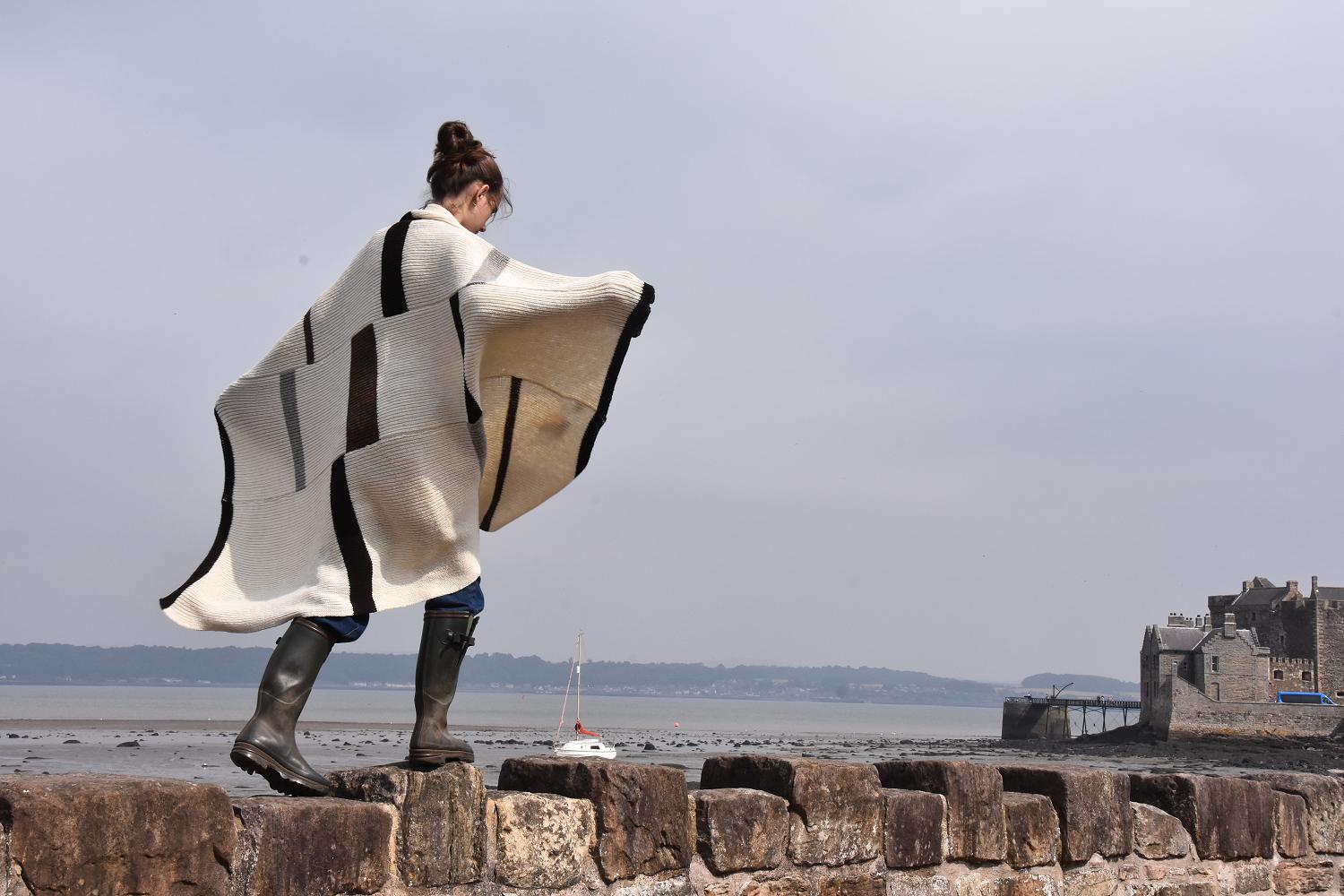
Lindsay is an entrepreneur who truly lives by her sustainability principles. Future Vintage produces 100% artisanal, handmade products from a flock of 250 Shetland sheep – all of which have names, by the way! The brand stands for clothing made with meaning, creating pieces that honor the past that can be worn for years and passed down.
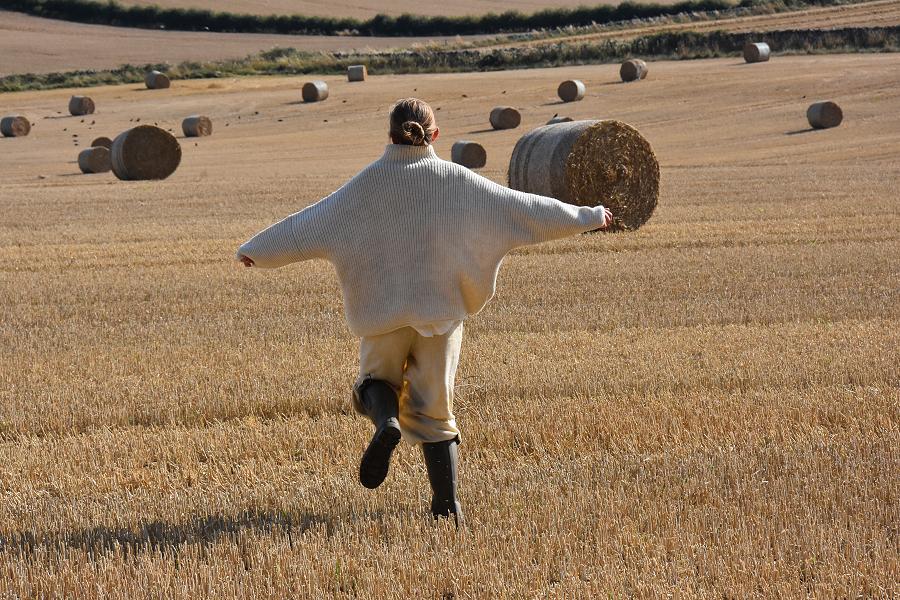
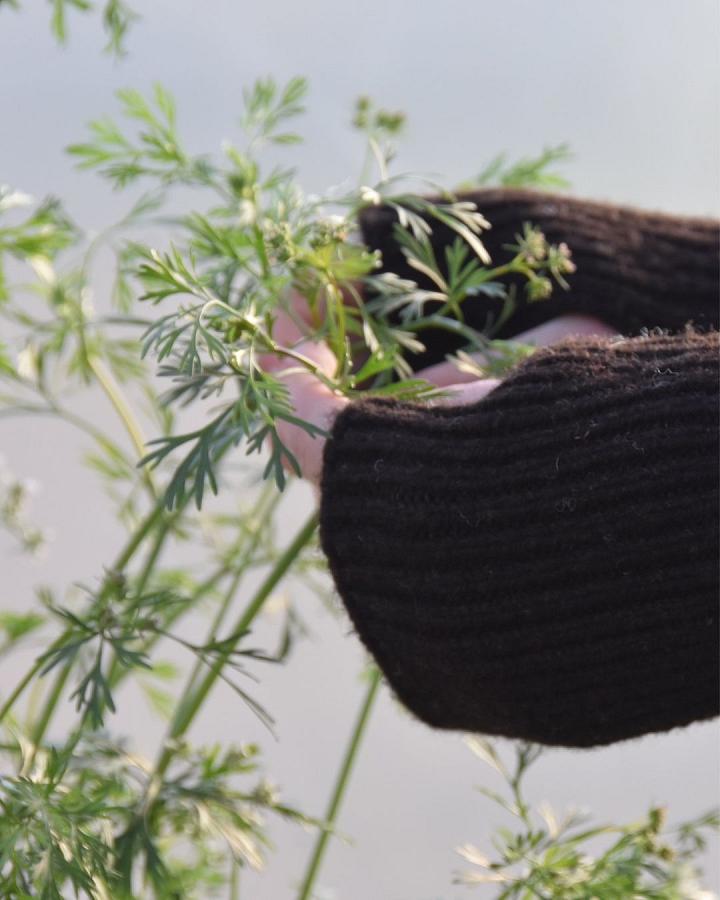
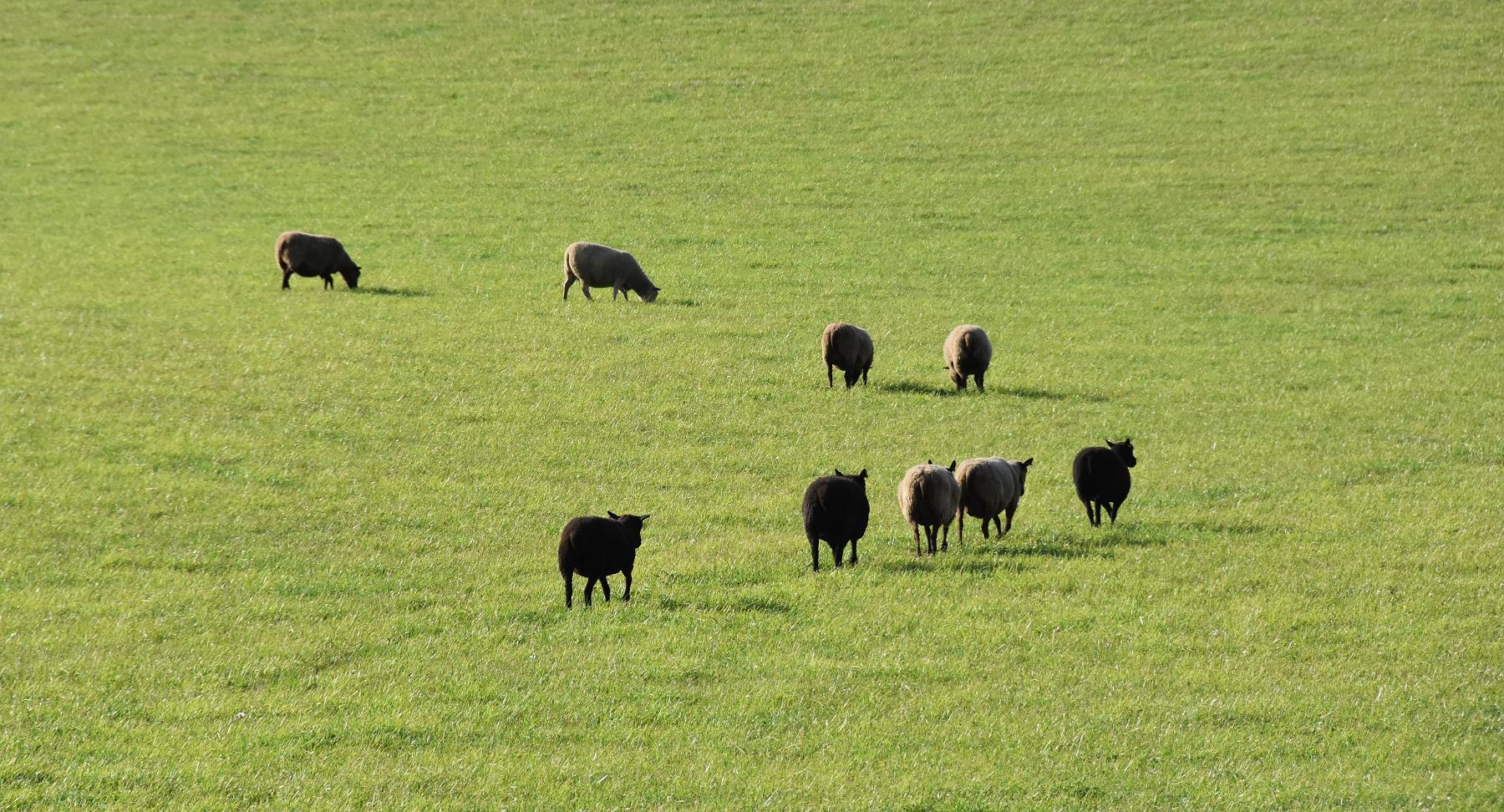
She calls their line a ‘Shepherd’s Wardrobe’. It’s clothing meant to be worn, lived in, and repaired through generations. It’s not precious but practical, made from the wool of their flock of sheep, which freely graze their land in Linlithgow, Scotland. Their collection is slow, reflecting the land and people that shape it.
In this interview, Lindsay and I discuss not only the story of her brand and her gorgeous line of woolen apparel, but the state of the wool industry (with a focus on Scotland), how the value of wool has changed over the years, her thoughts on the situation today, and how she is sharing her business insights with fellow entrepreneurs who wish to follow her path.
Enjoy!

"These sheep are creating this product from the earth. It’s incredible. They eat the grass, they grow their fleece, which keeps them warm all winter. Then we shear it and have wool that keeps us warm. Every year, we have this beautiful annual crop. When you are working with it, you feel anchored to the land."
Can you tell me a bit about your project, vision, and mission?
I have always been involved in design and textiles. My mom was a collector and maker throughout my childhood. In my 20s, I worked in the knitwear industry and then ran a knitwear shop in Scotland for 10 years. I also taught at the University of Edinburgh, earned an MBA to consolidate this business knowledge, and then taught business while setting up an organic food business called Grow Wild.
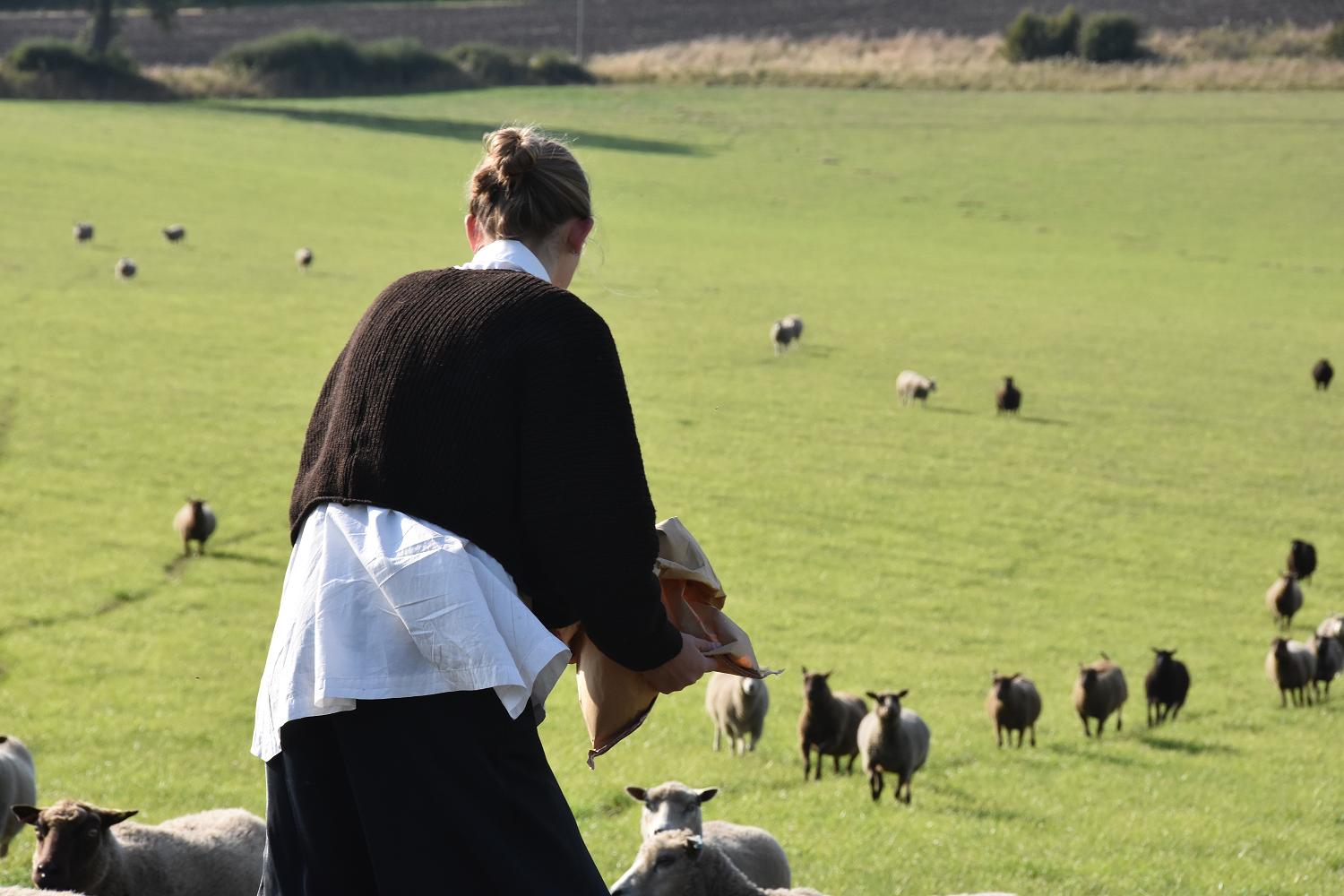
Sustainability is at my heart. I started Grow Wild in 1998, and it’s still thriving. Along the way, I met a farmer, married that farmer, and now we have four children, 250 Shetland sheep, and two dogs. I’m now slowly trying to grow the flock. I’m down there with them at five in the morning at lambing time, finishing at dusk.
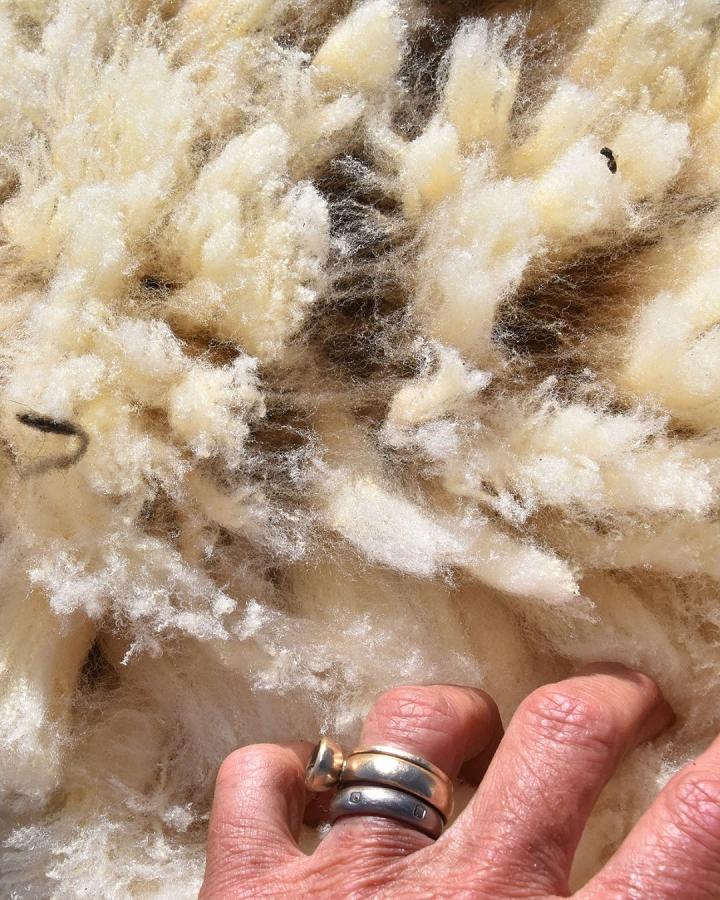
All these things go hand in hand. They tick all the boxes. Wool is a sustainable material; it’s circular, connecting farming with textiles. I decided to work with Shetland because it’s a local breed and surprisingly soft. All my sheep are registered and have names, allowing me to follow their parentage.
Why did I start this business? Once, a local neighbor came to me and said, “I’ve just driven a whole trailer load of fleece to the Perth Auction, dropped it off, and they bought the whole lot but only gave me £7.50.” I was insulted. I decided to give this material real value.
These sheep are creating this product from the earth. It’s incredible. They eat grass and grow fleece that keeps them warm all winter. Then we shear it, and we get wool that keeps us warm. Every year, we have this beautiful annual crop. When you work with it, it’s hands-on and you feel anchored to the land.
What do you think has led to the success of your brand?
We are an authentic brand. Starting and finishing on the farm. When you can use the wool from your own sheep living on your farm, you have a real story to tell. We live the good life. People are interested in it.
Another key factor in our success is the simple, practical, yet interesting shapes that go into our designs, at a time when there is also an appetite for circular, thoughtful fashion.
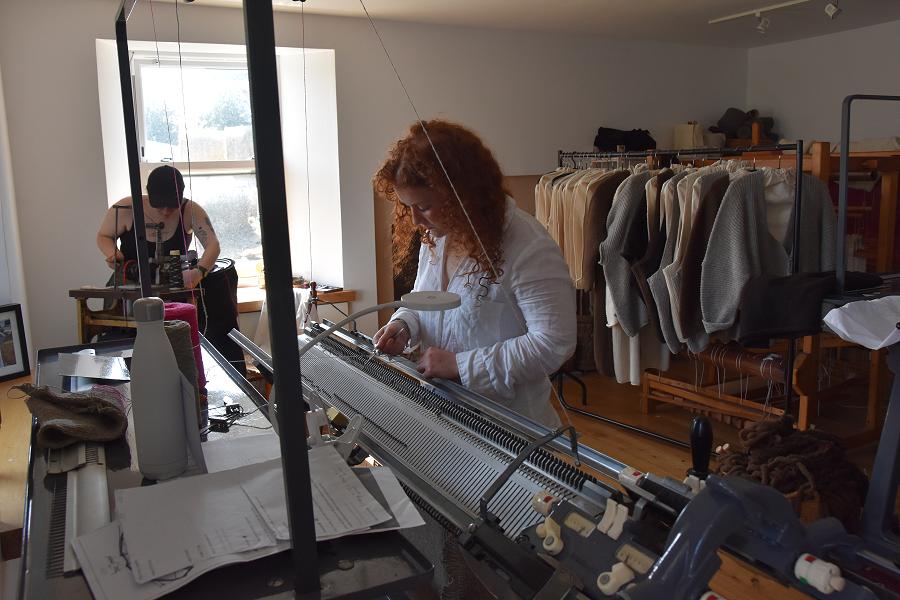
Finally, I pay the knitters well, reflecting the respect for the hands in the making, the skills, and the clarity of design. As the skills of knitting and weaving, once prevalent in Scotland, are being lost due to fast fashion, I believe it is important to restore value and appreciation in the industry. I feel that at this stage in my life, I want to bring the next generation in and to rejoice in heritage crafts and skills to keep them going. We work on refurbished machines. Each year, I also mentor new students, equipping them with business skills. I hope they will go on and do their own thing if they can, so I give them the business know-how.
"Things have changed enormously. People are interested in finding solutions, but it's getting too late. The value of wool has been lost. They burn it. Unused wool sometimes gets used for things like insulation."
What does the wool sector in Scotland look like today?
When I first got involved in knitwear in the 1980s, I was working with an enormous number of makers, rather than making the items myself. They were hand-framing, linking pieces, hand-knitting, crocheting, and weaving- all over Scotland. There were a lot of people out there in Scotland before, but then the market shrank over the years as new computer-driven knitting machines and industrialization came in. Finally, though, there is a turnaround and more interest in slow fashion and an appreciation of what it takes to produce handmade pieces, so I feel the industry as I knew it is slowly beginning to build again.
But with wool processing, this is the situation: there used to be mills all over Scotland, but they have slowly shut down. The equipment has been sold off. Sure, there are options if you are scouring 2 kilos of wool at a time, but if you want to scale up to a medium-sized clip, there is no scouring machine to deal with the scale. My wool has to go from central Scotland all the way down to England, and then once spun, it is returned to my atelier where we design and make our pieces. There are large commercial mills processing 1/2 ton of fleece an hour, and there are very small ones for hobby farmers. The problem is, I fall right in the middle. My whole year’s worth of fleece could weigh 350 kilos. As a large-scale spinner in Yorkshire told me, the machines can jam up, so if they jam with 350 kilos, you have lost your entire year’s crop. I can’t take that risk of losing my whole crop. I also need to have the different colours of fleece spun separately to offer natural, undyed colors for the range. Hence, using the specialist mill in Cornwall.
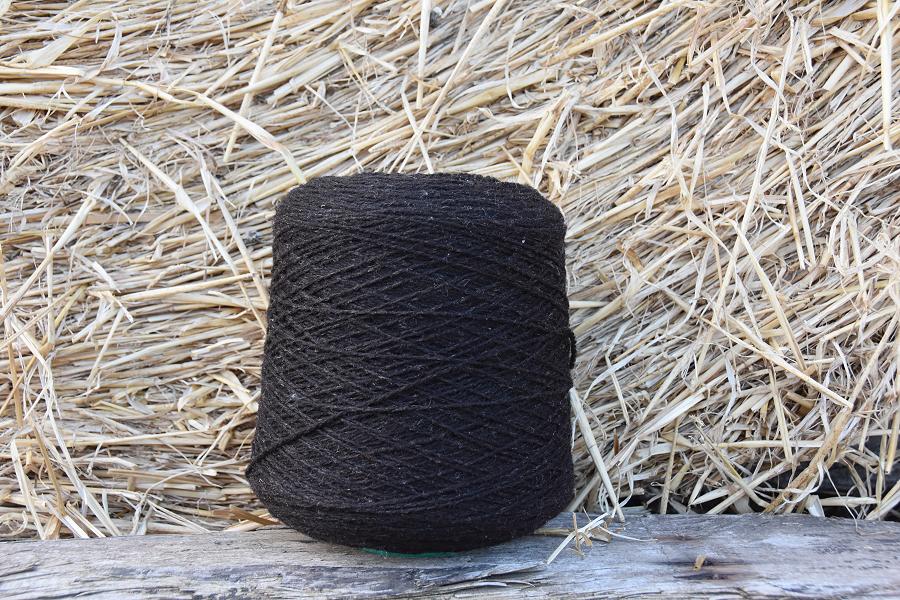
Things have changed enormously. People are interested in finding solutions, but I feel the infrastructure, which has already started to disintegrate, will be hard to rebuild. I used to work with a local spinning mill, but it recently shut its doors. I now have to send my fleece to the south of England. The fleece has to travel 400 miles by road on pallets. We send it down there, and then it comes back in the form of beautiful woolen cones. The wool industry in Scotland should be valued and supported at a central, governmental level. The value of wool that has been lost, with farmers burning wool as waste, is now being challenged by people like me and so many more. Alternative uses are being found in addition to garment making; unused wool sometimes gets used for things like insulation, for mulching, for felting, or as tree guards.
I would love to find an alternative if I could have my wool scoured and spun locally, but until there is a local medium-sized mill, this won’t be possible. Finding skilled knitters isn’t easy, but so far, with good connections with the local universities teaching textile courses, I have managed well.
What do you think leads to the hesitation to buy Scottish wool from the average consumer?
People often love the idea of Scottish wool, but the reality can put them off for a few simple reasons:
Many folks grew up wearing coarse school jumpers, so they assume all wool is scratchy. They don’t realise how much softer modern Scottish yarns can be.
I think there is a lack of education and understanding around wool and how to care for it. People can't throw it in the washing machine. In fact, you don't have to wash wool at all. We have lost the sense of value that wool holds as a material, as part of our heritage, and as a means of keeping warm.
Also, cost is a factor when buying handmade, artisan products. It will always cost more than the mass-produced, synthetic alternatives, and should. Because wool lasts for years, repairs beautifully, and keeps you warm even when damp, it’s a brilliant investment. But if people aren’t used to buying things that last, they don’t see that straight away. They need to understand the real value. In our case, through storytelling.
What 3-4 artisanal brands do you find to be inspiring these days?
Toast, UK, offers easy-to-wear pieces and carefully sourced, featured, and spotlighted handmade makers.
I love the work and designs of Lauren Moonagian.
Alabama Chanin – we live in a similar universe.
Claudy Jongstra – she’s an amazing felt artist.
For more info about Future Vintage, please visit: https://www.lindsaygirvan.com/