I started working in this artisan field many moons ago and have seen it shift faster than I imagined. But even with the rise of interest in handmade, I am seeing more and more retailers and brands suffering, and many even closing. It’s a hard time in the market, and I think we are all feeling it.
As someone who works with both sides, I felt driven and inspired this year to do something new and create what I am calling the AOW’s What’s Working Series, essentially a newsletter that I share with subscribers to share what is indeed working for longstanding brands in this field. Those have been able to weather the storms over the years despite the challenging and saturated marketplace. The goal is, of course, to share information and insights and, hopefully, support entrepreneurs doing their best to offer beautiful and impactful products to the market.
So, over the months, I will be spotlighting artisan brands, asking them what the top ten or so marketing strategies and investments they are making are that are actually working!
I am delighted and honored to share the first one with you, featuring one of the most inspiring brands that I know, ISHKAR!

AOW:
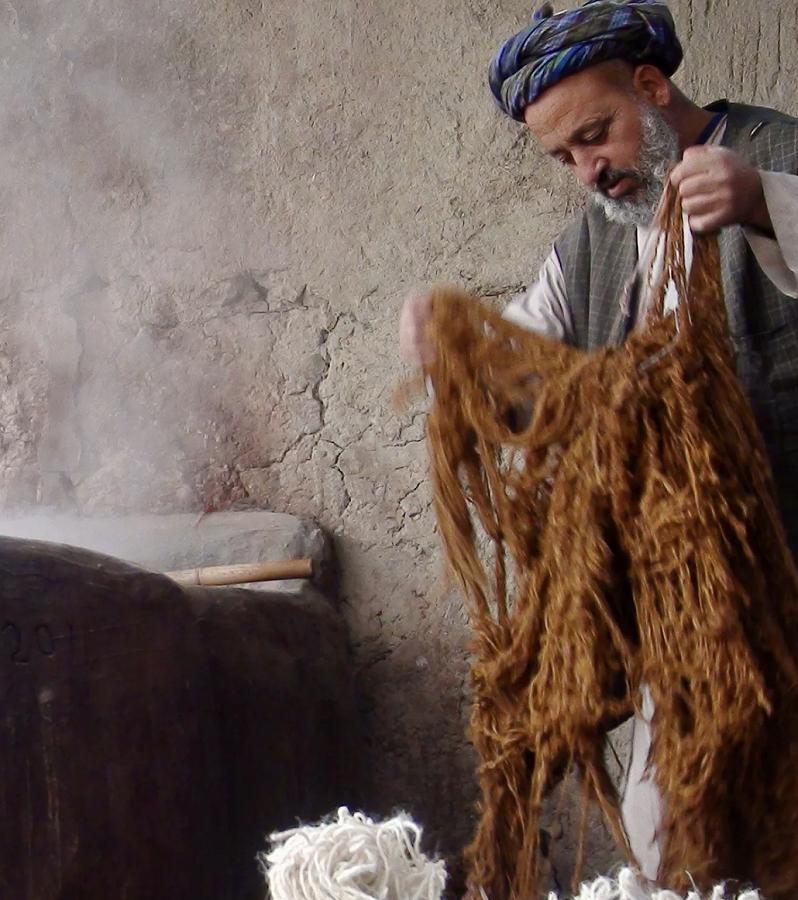
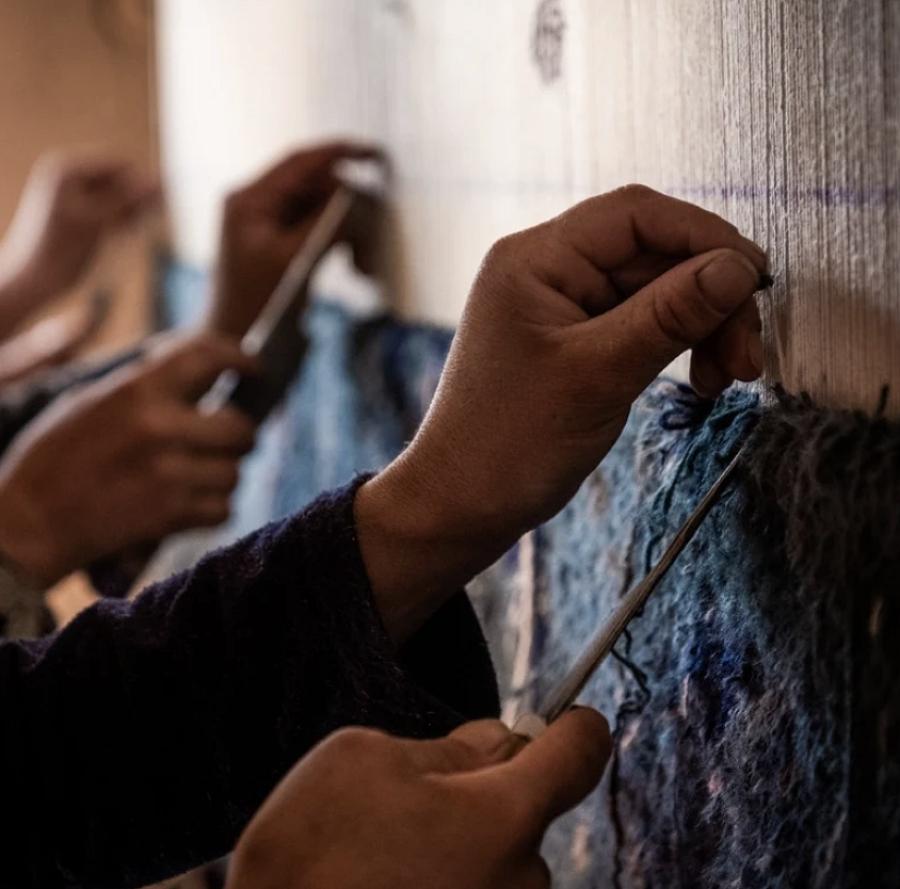
Thank you, Edmund, for taking the time to share what’s been working for ISHKAR, a thoughtful London-based brand that works closely with artisans in places often overlooked because of real and perceived barriers to international trade, specializing in gorgeous handmade rugs from Afghanistan. Tell us, what’s been working for Ishkar?
Edmund of ISHKAR:
Product focus - after 9 years of carrying multiple product lines across jewelry, homeware, clothing, and textiles, in our 10th year we stripped back to focus purely on rugs and textiles online, while continuing to carry our different product lines in our store. It was a big leap. Our online sales for non-rugs accounted for >40% of our 2025 revenue. Despite that sacrifice, our revenue in 2026 has exceeded 2025, from a much lower cost base and with less than 20% of the products.
Three advantages stand out:
Brand recognition - it’s easy to shorthand what we do now (which was not the case before), which is essential for word of mouth, a crucial source of customer acquisition for a small business with low/no budget for marketing.
Customer focus - by focusing on one product, we’re now known only for the quality of that product and our expertise. This has been integral to growing our trade business, which is fast becoming our main source of revenue. It’s also allowed us to consolidate our marketing costs. Now we focus on high-quality exclusive events with trade partners, rather than being spread thin across social media spend, SEO, and events.
Cash flow management - prior to the cut, we carried >1,000 individual SKUs. Keeping these in stock with the poor payment terms we have with our suppliers was killing us. The more we grew, the harder the situation became. Now much of our business is made to order.
Bricks and mortar - Brick-and-mortar retail can still work if you choose the right location. Our Columbia Road store passively connects us with thousands of new customers a year at a much lower acquisition cost than paid ads. But, as we’ve also learned, 50 meters in the wrong direction changes everything.
PR - Earn your press, don't buy it. The best coverage we’ve had has always come from building real relationships with journalists, not through a PR agency.
Differentiation - You can’t compete on the marketing spend, speed of service, or choice with large retailers, so we’ve always focused on distinguishing ourselves by adding distinctive human touches to everything we do - like always adding handwritten notes with every package.
Hiring - As a small company, every hiring decision is absolutely critical. We’ve always found that hiring for drive, not experience, has led to better outcomes. Our best employees all started as interns.
Partnerships - We’ve been fortunate to build long-term partnerships with like-minded businesses and organizations such as Turquoise Mountain. These partnerships have sometimes been counterintuitive, like sharing shipping costs with the inspiring fruit and nut brand, Ziba Foods.
For impact-oriented brands:
Communications - If impact is your goal, don’t tell anyone. We’ve learned that people typically buy once for virtue. They return for beauty, quality, aspiration. It’s almost always better to lead with the product, not the cause.
Business management - Lower margins don’t equal more impact. Maintaining industry-standard margins on average across your range is important if you want to build a business with longevity. It took us a while to appreciate this - especially as impact-oriented brands are (perversely) often pressured by customers to have lower prices - but if your mission matters, survival is really the most impactful thing you can achieve.
For more info about ISHKAR, visit: https://www.ishkar.com/
Thank you, Edmund!
Did you enjoy this newsletter? If so, please share with others, and if you are not already subscribed, be sure to subscribe for future AOW mailings here: