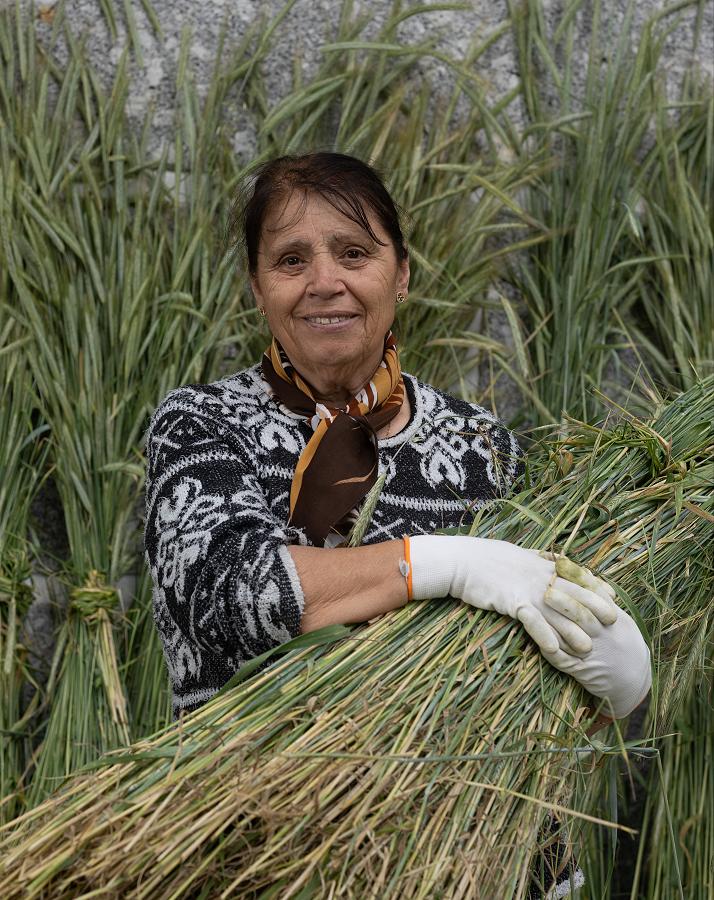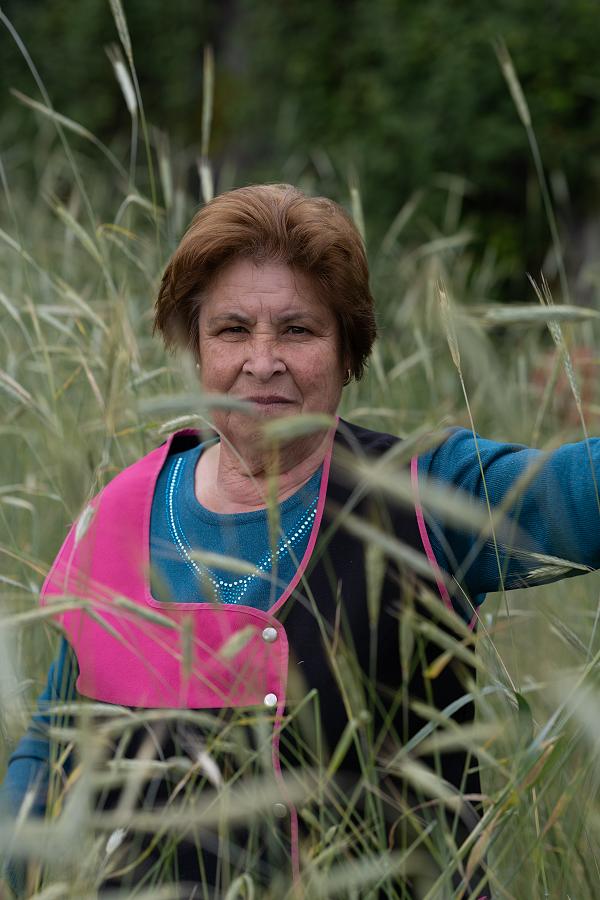
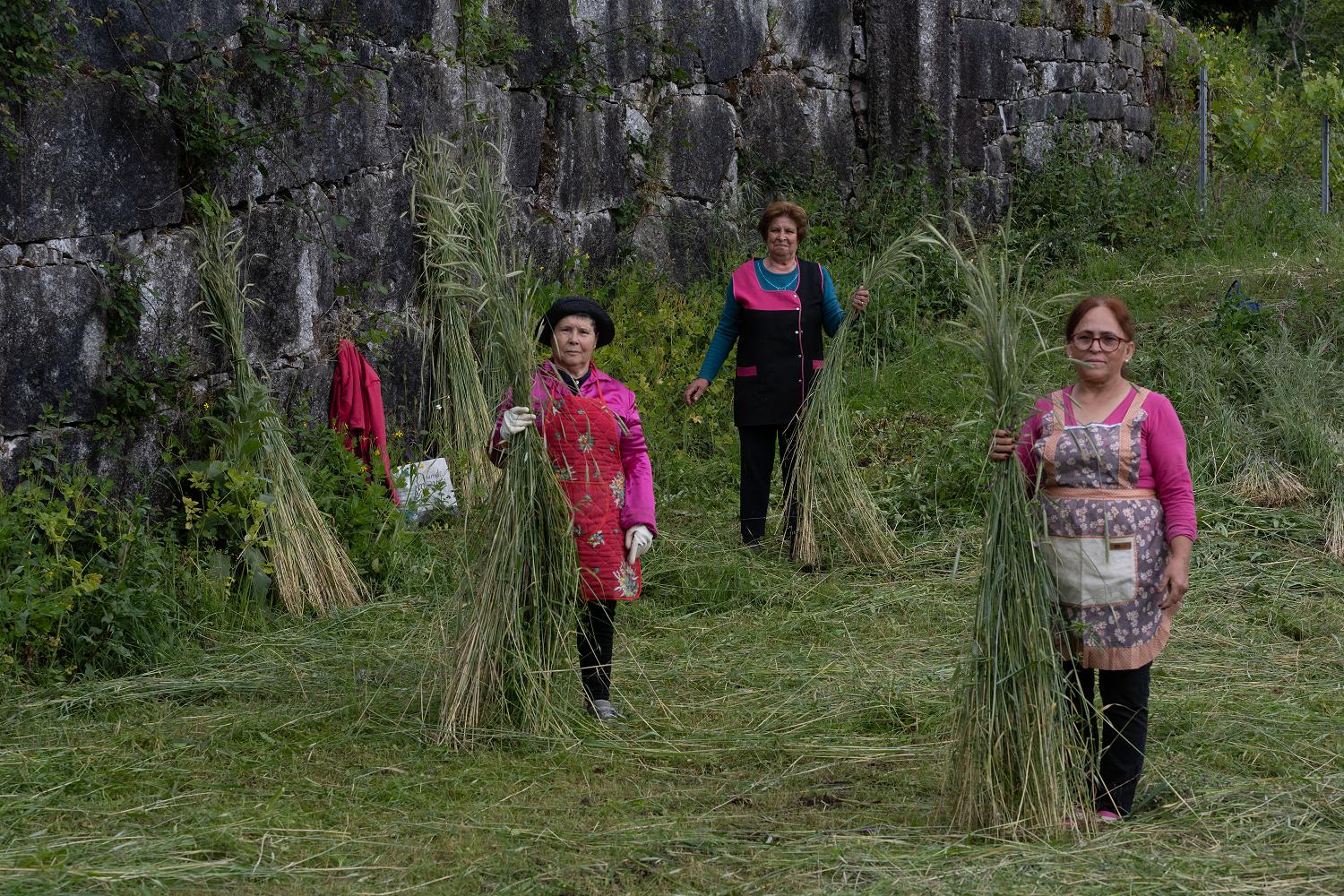

When I asked an artisan from As Tres Micas what she loves most about her work, she said without hesitation, “Todo — I love everything. I love being with this community of ladies. I’ve had more fun in my life now than in my entire life.”
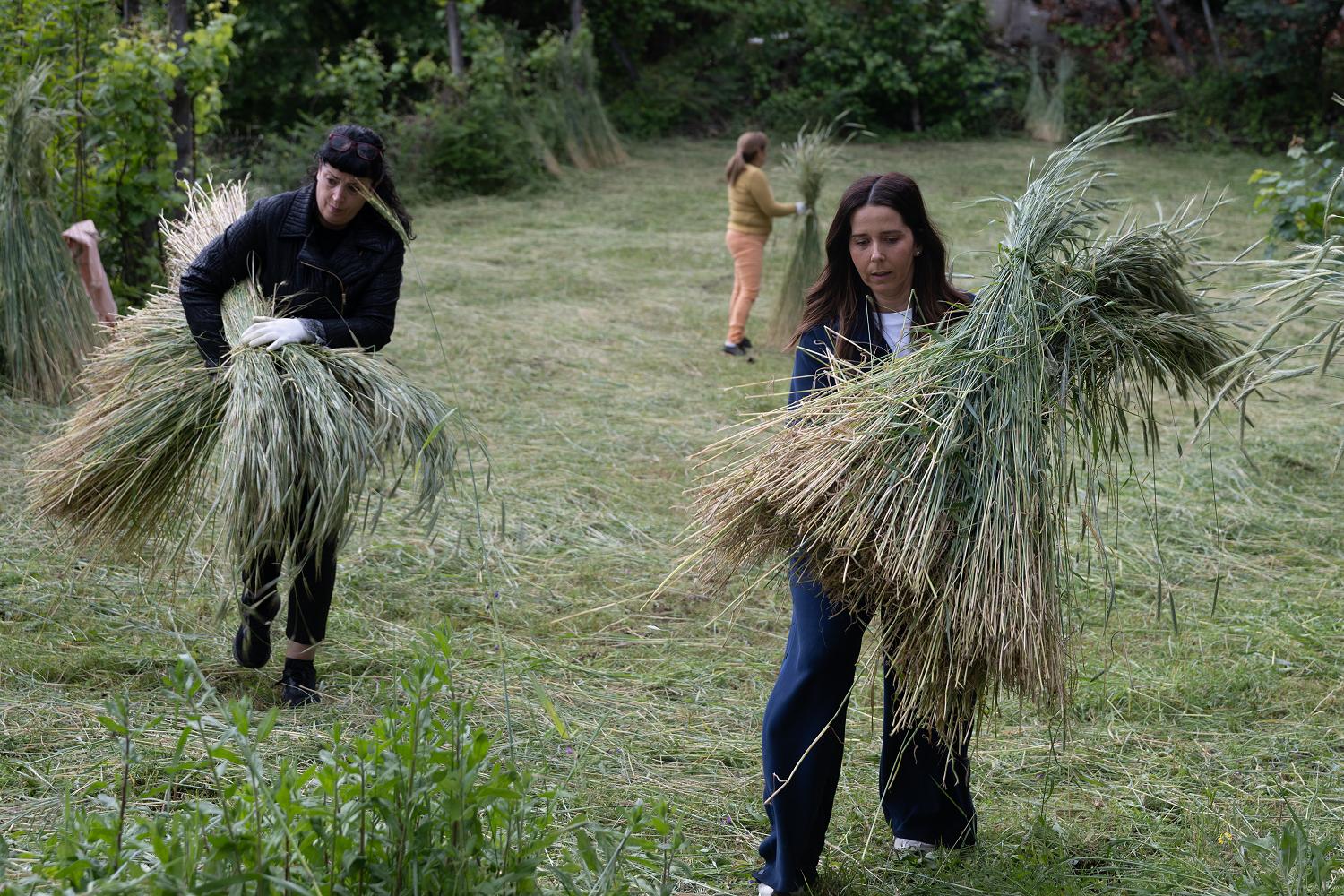
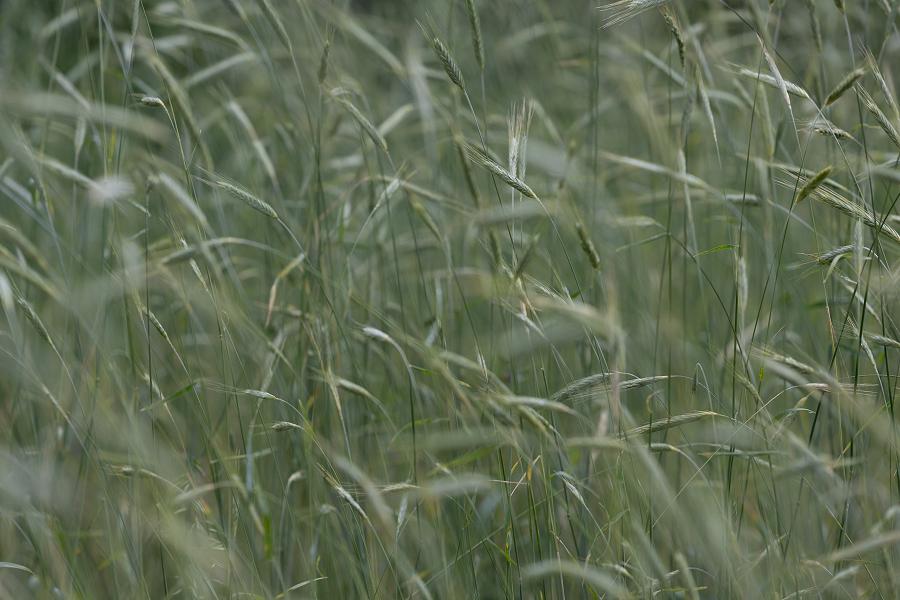
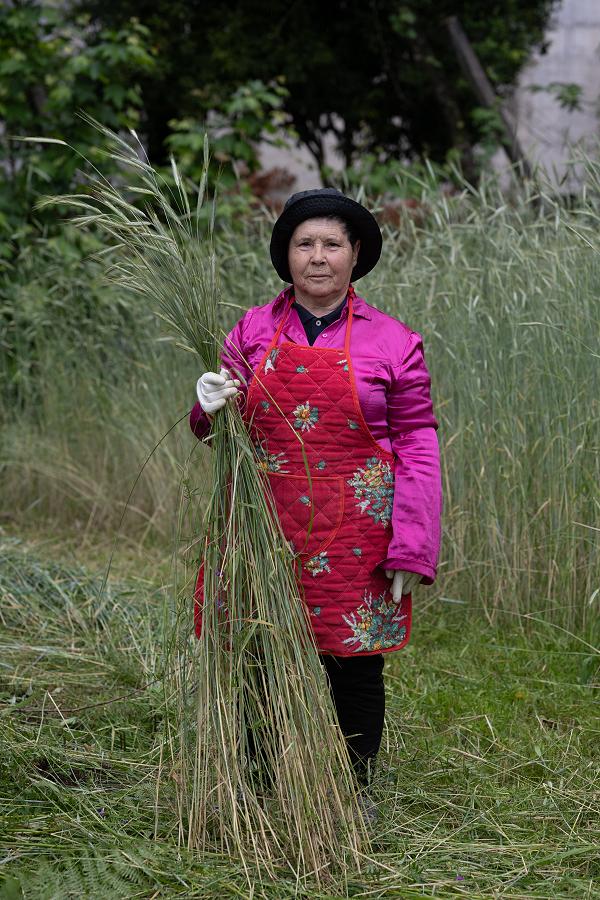
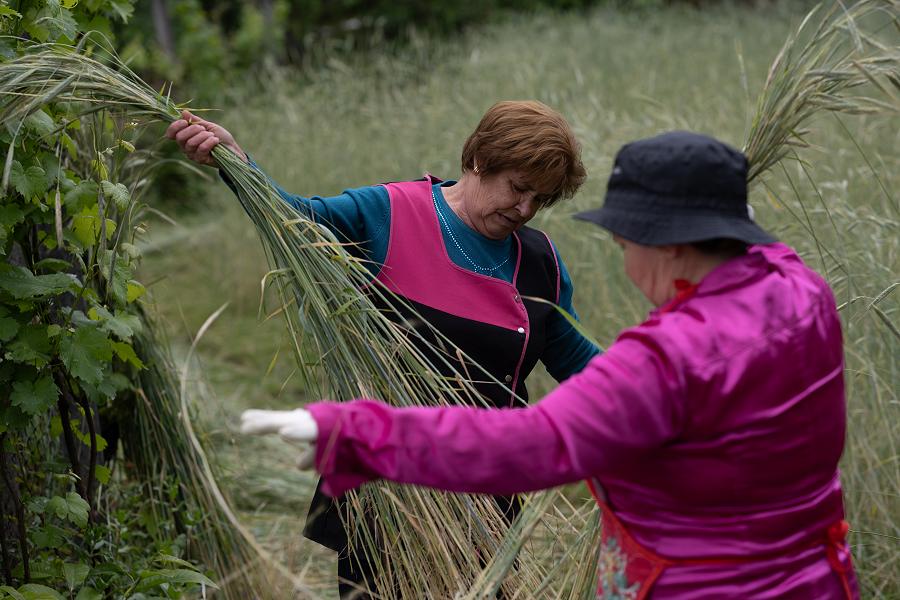
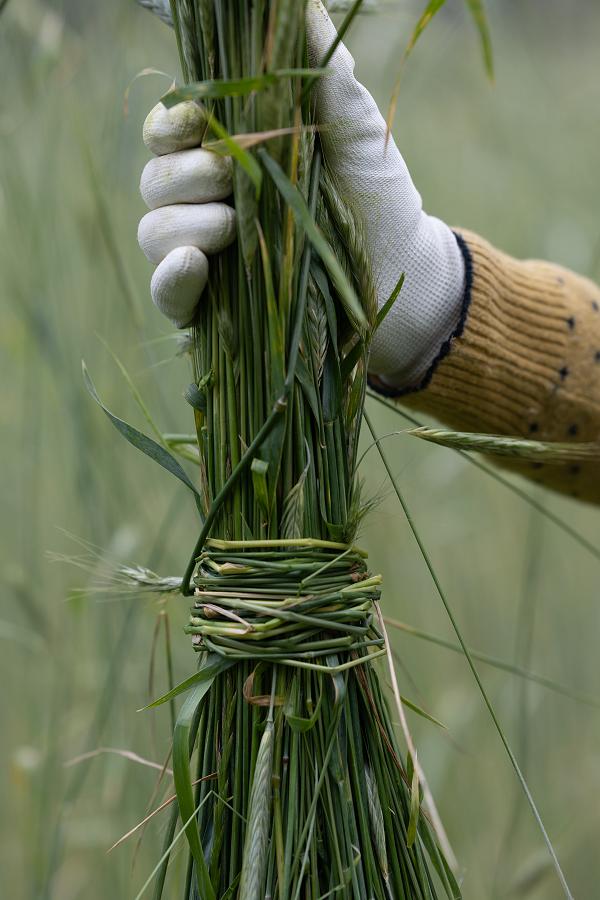
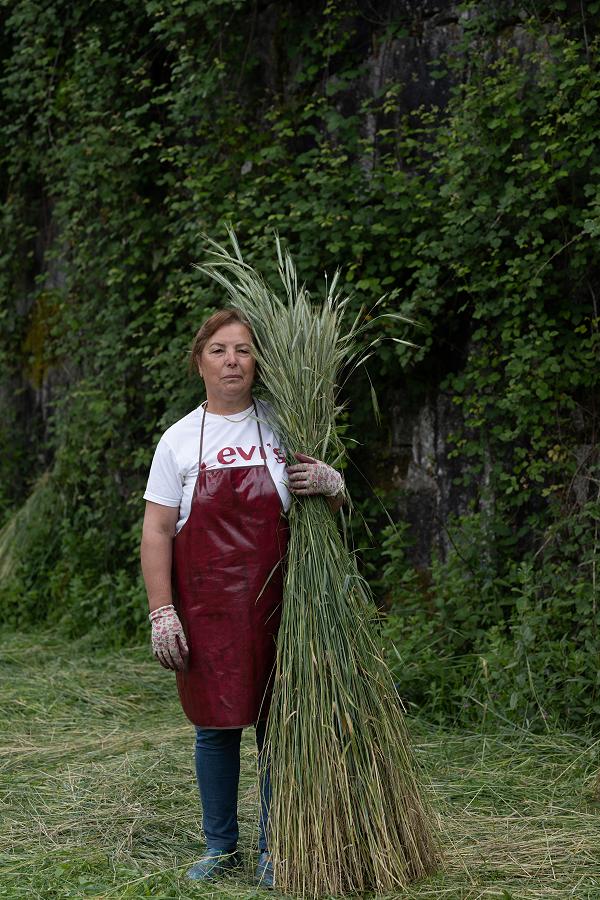
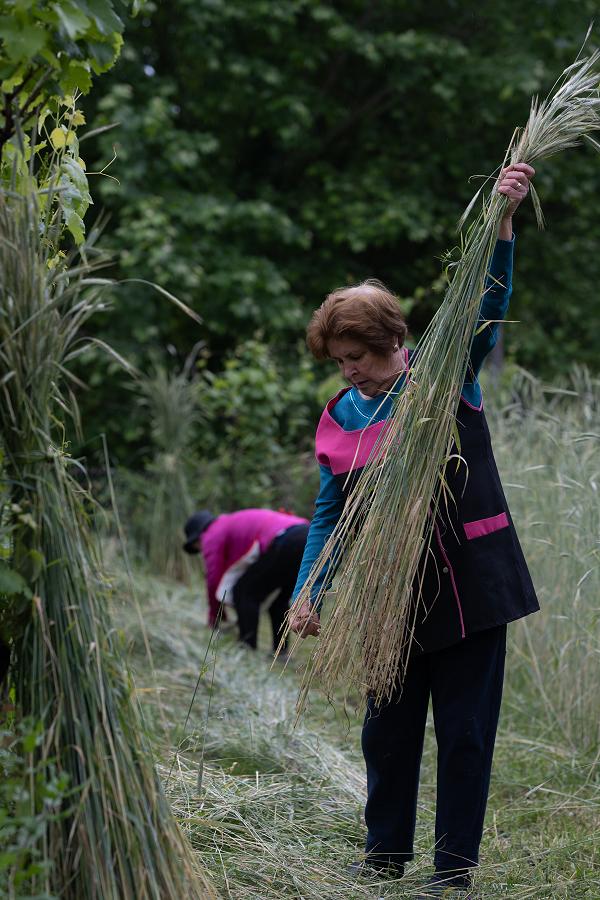
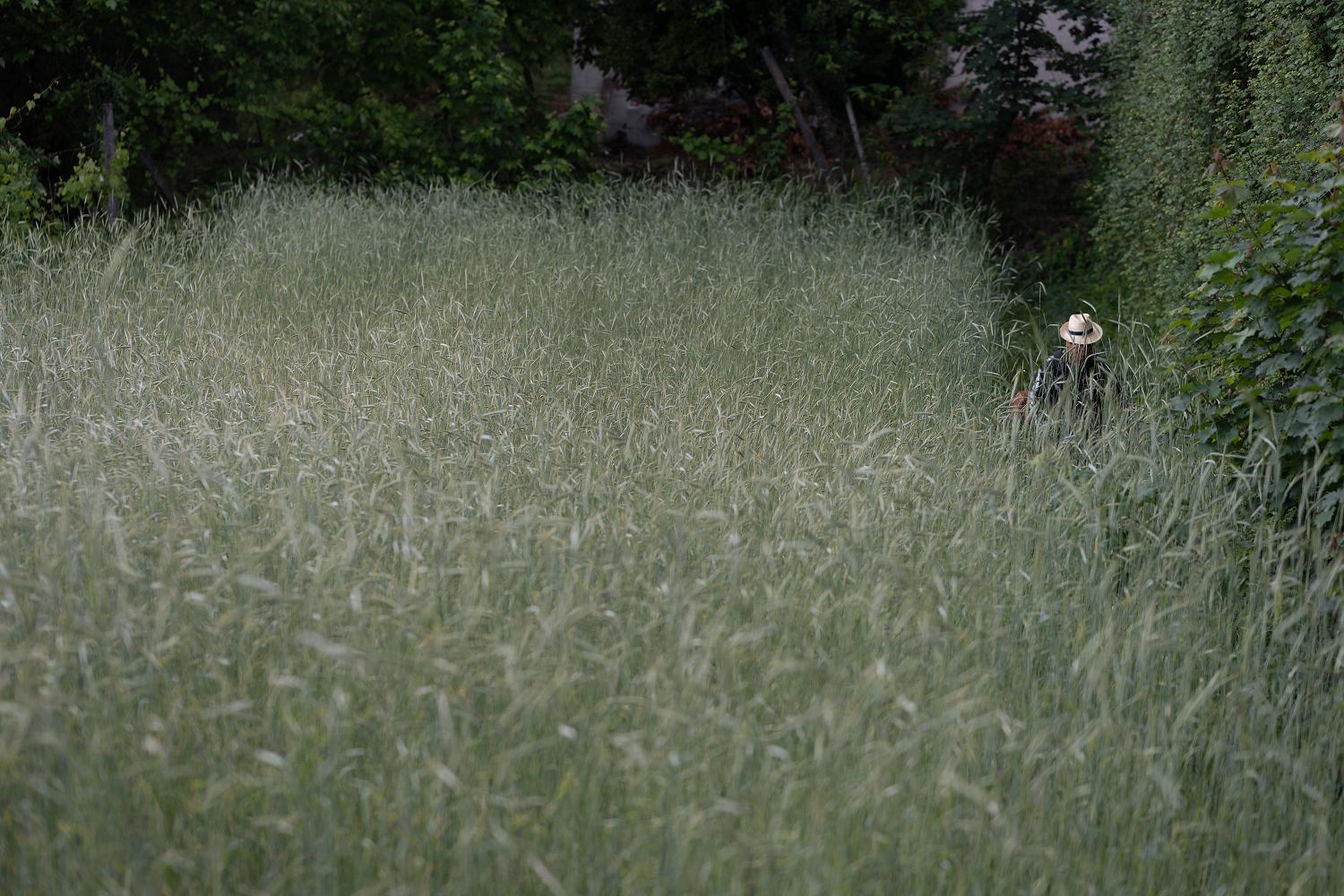
This past spring, I witnessed the memorable harvest season among the women behind As Tres Micas in Northern Portugal, a women-run association founded to help sustain Portugal’s heritage tradition of straw braiding—from harvest to finished product.
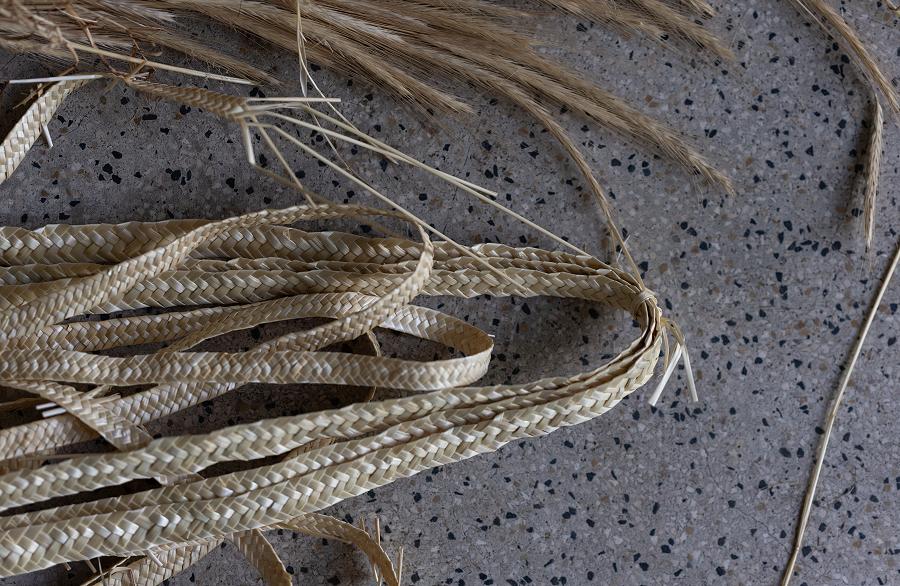
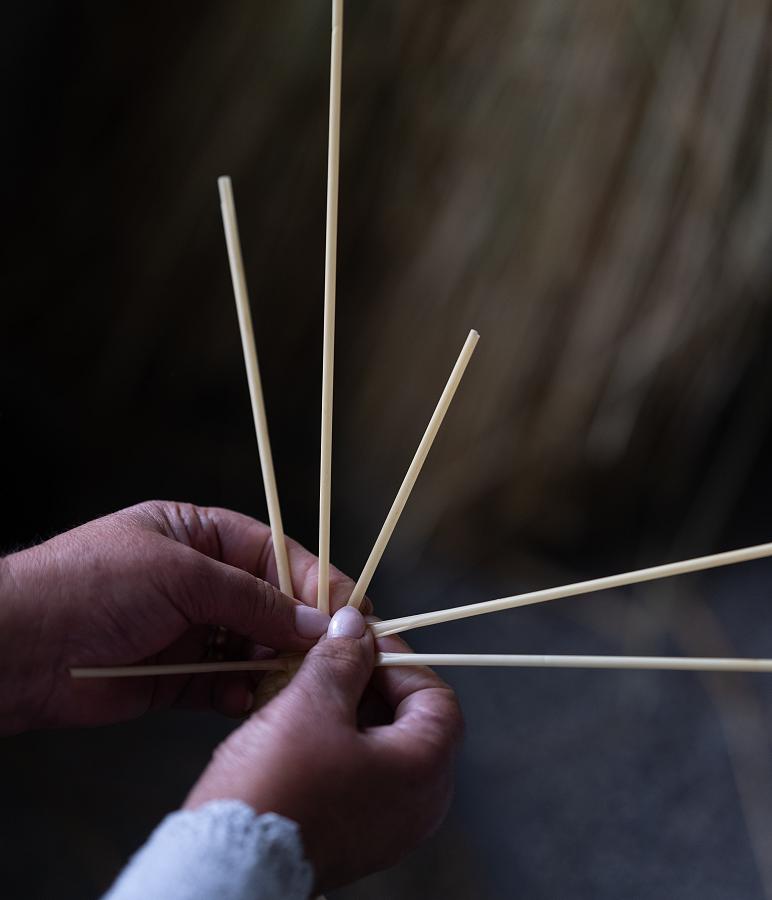
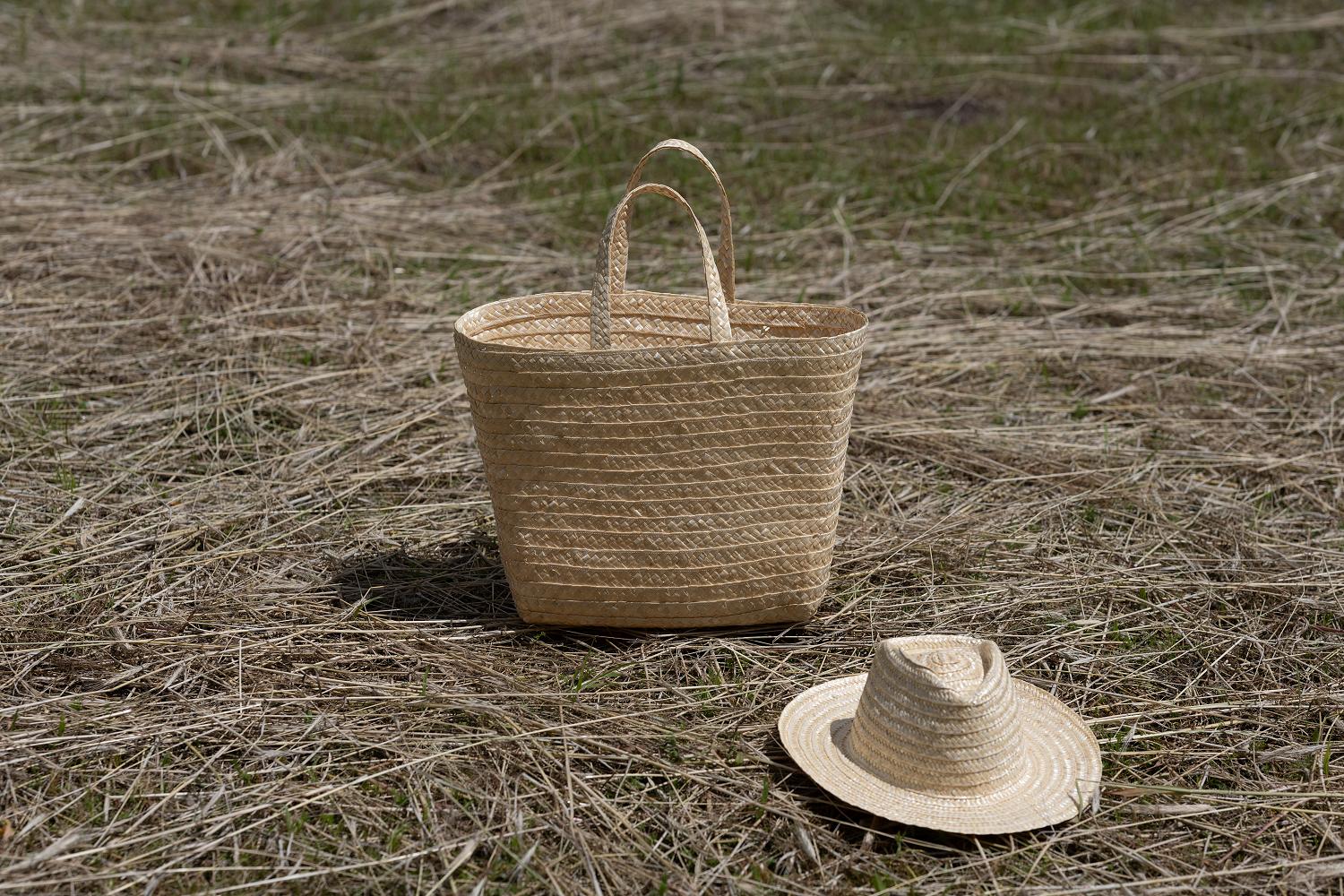
To give you a bit of background, Tres Micas was founded by Raquel Carvalho about four years ago and now works with a small group of women in the Fafe region of Portugal. The initiative first came about as a way to create employment opportunities and, second, to revive a traditional craft that was disappearing in the region. They are best known for their traditional hats, market bags, and small woven boxes, items once used in one's everyday.
I asked Raquell what their greatest challenge is as an association, and they said, “to get the artisans to understand the value of their work.” But over the years, we’ve seen their confidence grow. They’ve been attending expos, appearing on TV, and participating in many shows — so step by step, they are beginning to see the value and importance of their know-how. Many have this craft in their blood, having started from a young age.
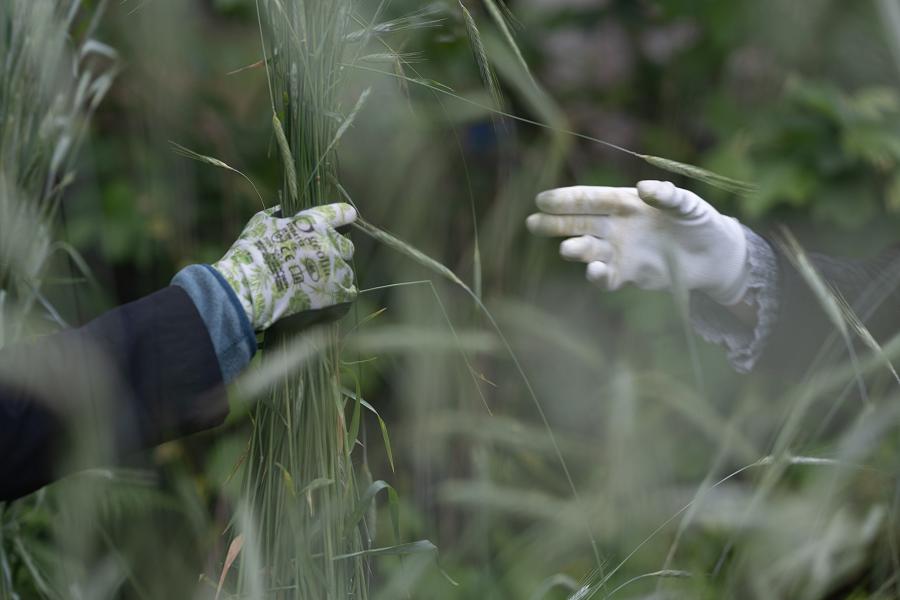
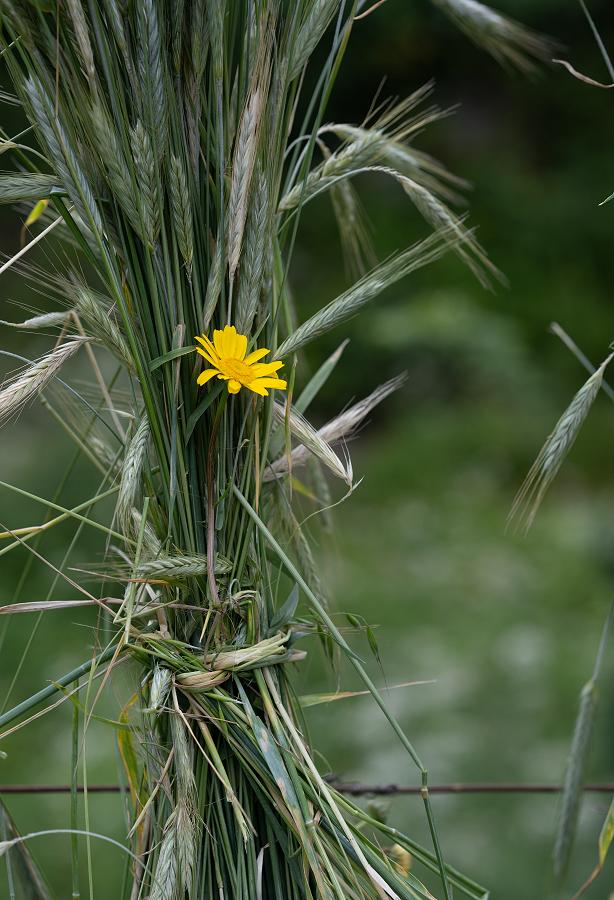
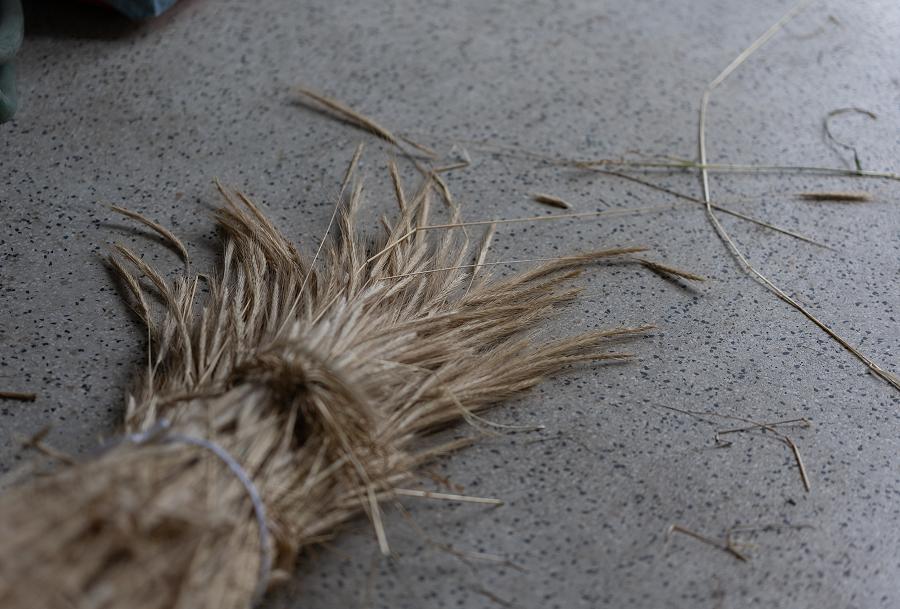
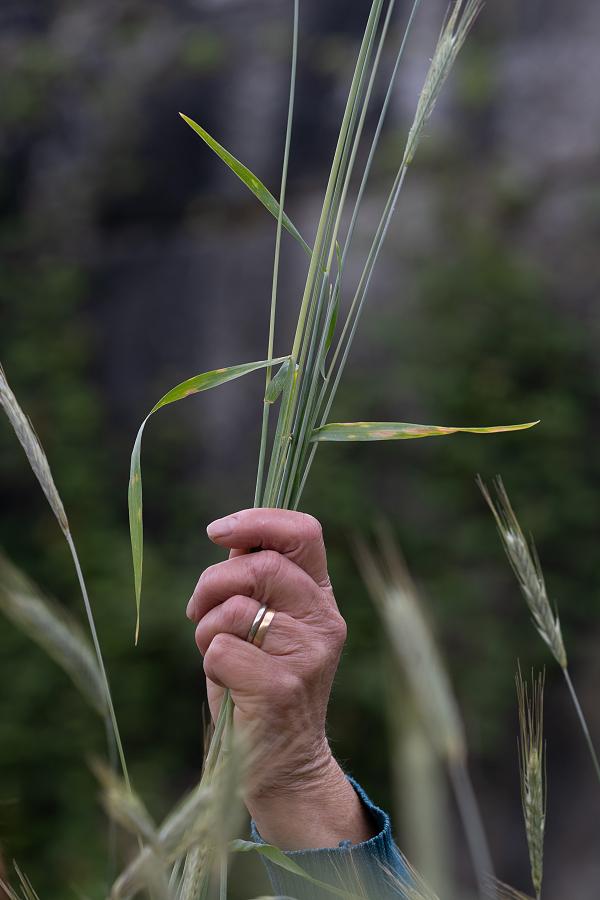
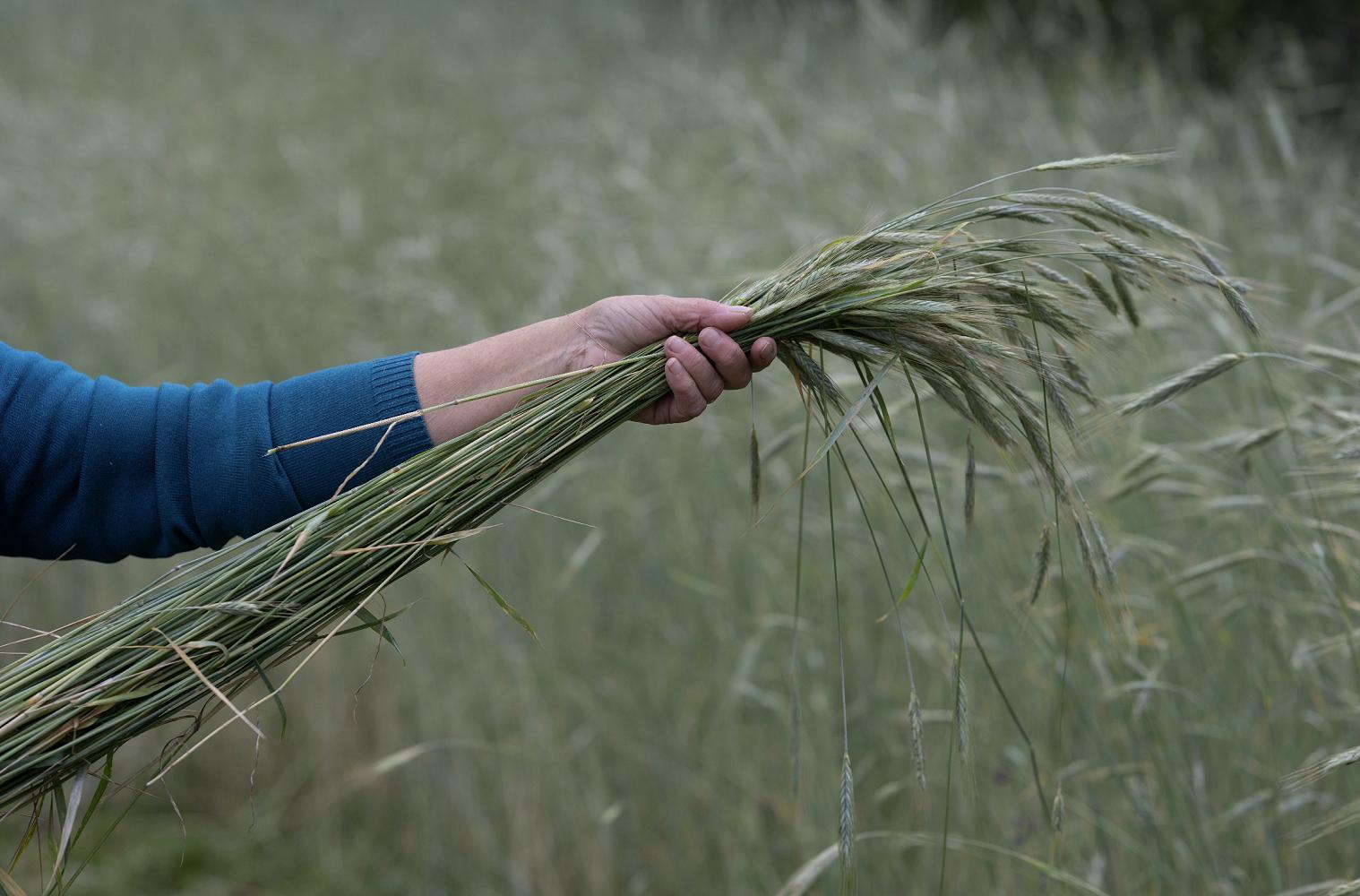
The morning harvest was quite quick as the women worked so efficiently and well together. This work is really in their blood, and the joy of what they do is very apparent. We ended the day by sharing a traditional lunch of fried fish, local bread, and wine — a reminder of all that craft brings — far more than commodities. It brings a sense of purpose, tradition, community, and joy to these women's lives.
Read my short interview with Raquell to learn more about this incredible craft.
"We love this work because it's still a challenge: we enjoy discovering new possibilities with this material. For example, it’s still possible to try new braiding techniques, new uses for the braid, combining it with other materials, and painting it in other colors… We are motivated because we work together, and by the possibility of innovation."
What would you like people to know about the straw braiding technique?
It's a craft technique that dates back a long time (it's impossible to know when it began here in Fafe). It began as a domestic way of making hats, which were then used to work in the fields. Over time, as the diversification of manufactured goods increased, it became a fundamental supplement to family income.
When working with the artisans you work with, what has led them to revalue their craft?
Essentially, the opportunity they have to become known for this art and, with that, contribute to ensuring that it doesn't disappear. It was also very important for them to realize that, outside their immediate surroundings (Fafe), this craft is highly valued and it has a lot of curiosity. As they often say, it's very good that they know that people "from outside" appreciate their work.
How did they use to see their work, and how do they see it now?
Working with rye straw was seen as shameful. This is because this art was associated with poorer families; braiding was seen as a sign that a person would not evolve in life, would never have the opportunity to study, to have a more qualified job, and would never be able to "be someone important."
Currently, this prejudice is no longer so ingrained, but many of the people we work with have only managed to overcome it in adulthood, and some only overcame it when they met us about 4 years ago.
Now they understand that what they do is a source of pride, not of sadness. They are dedicating themselves to an art that is increasingly "in fashion" and, at the same time, doing their part to promote this knowledge.
"Working at As 3 Micas, we work together with our friends, so we never feel alone or helpless, which makes the work easier."
What do you usually hear from the women you work with about this work?
That it's very difficult and poorly paid… and it's true! The whole process of working with rye straw (from sowing to make the final product) is very “physical” and tiring. In parallel, here in Fafe, there are still people unfairly exploiting the work of the artisans: they buy at a low price, and then they sell them at a much higher price, which makes younger people not very interested in dedicating themselves to this craft. At As 3 Micas, we seek to counteract this trend, but we still have a very long way to go before we start seeing results.
What motivates you most in the work you do?
The contribution we are making to ensure that this cultural heritage does not disappear. The energy and happiness that the artisans transmit to us. The way they embrace the challenges that are placed before them (for example, the encouragement of innovation) and the pride they show in our joint work.
What is most important to tell people about this craft, to awaken their interest and involvement?
There is still much potential to be explored. High culture is increasingly valuing these techniques and materials, due, among other things, to their sustainability and ergonomic characteristics. It is highly permeable to innovation. For example, in the 1960s, in some of the best hotels in Portugal, the straws used to drink juices and cocktails were rye straws.
What makes straw braiding in Fafe unique compared to other parts of the world?
There are other parts of the world where rye straw is used, but from the information we have, Fafe is where a greater variety of products are made. It also seems to us that Fafe is where more items for personal use in everyday life are made, and not just those used for decoration.
From another perspective, in Fafe there is a very strong form of cultural appropriation related to this craft. For the people of Fafe, talking about Fafe is talking about the gastronomy linked to veal consumption, the rally, and the "Fafe Hats".
Although the number of people dedicated to this art has decreased, it is very common to find people who, as children or teenagers, were forced by their parents to braid.
Why do you consider this work so important?
Because of the contribution we are making to the continuation (not to forget)of this art, which you say is "ours, from Fafe," and which was already practiced by their parents, grandparents, and great-grandparents.
Currently, in Fafe, fewer and fewer people work with rye straw, and they are older. If we cannot reverse this trend, this art risks disappearing, hence the importance that our artisans give to doing what they can to prevent this from happening.
For ordering details, please email: carvalraquel@gmail.com