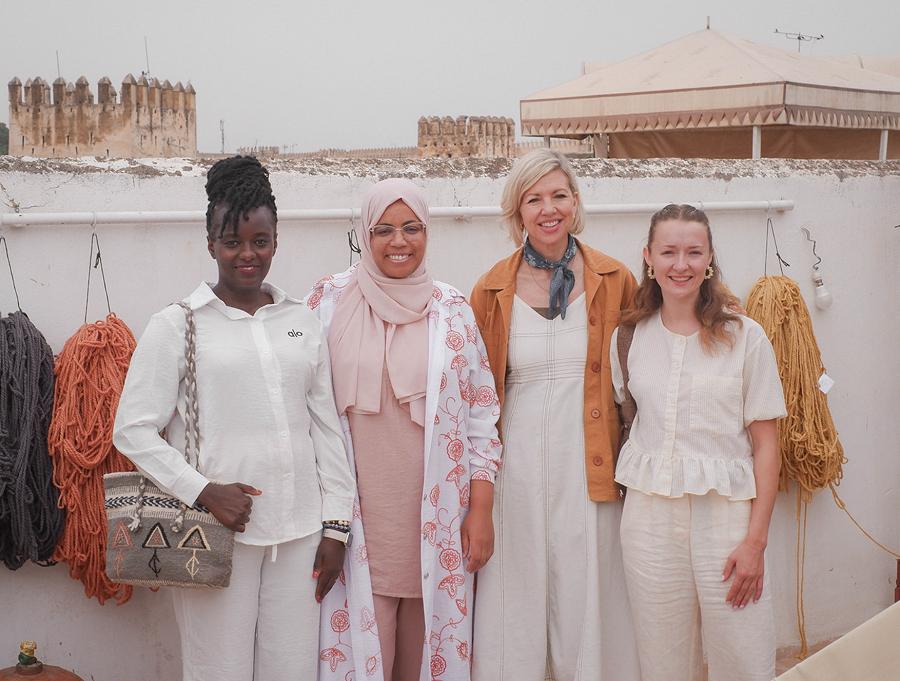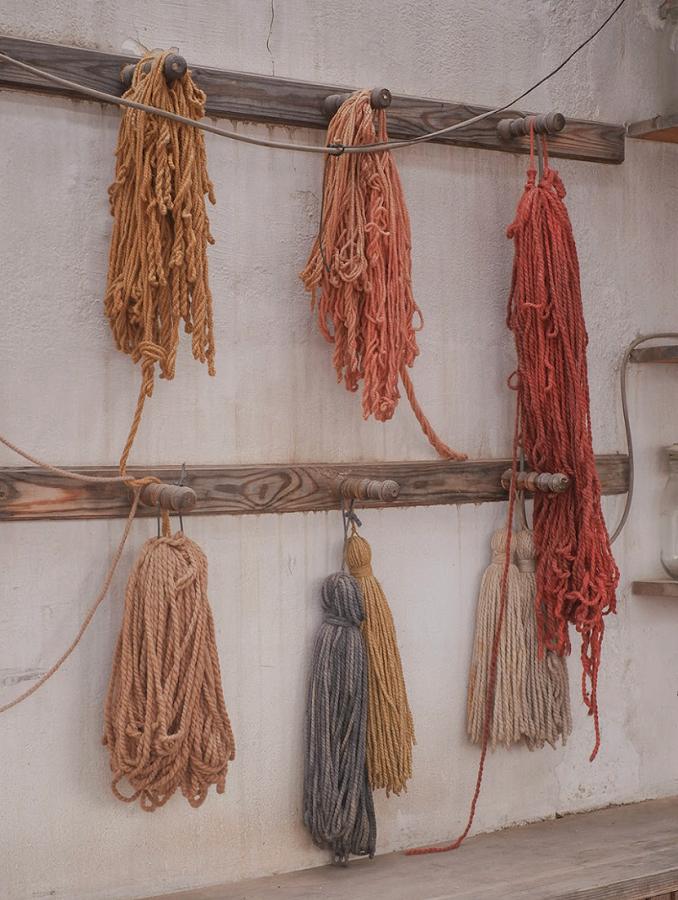
There are few films, if any, that touch on the issues, challenges, and sheer beauty of the artisan sector. That's why I'm so honored to spotlight a newly released documentary touching on this subject.
Handmade Future, directed by Kirsten Dickerson and produced with her partner, Brandon Dickerson, takes a powerful, nuanced look at the challenges artisans face today and asks important questions about the future of the handmade sector.
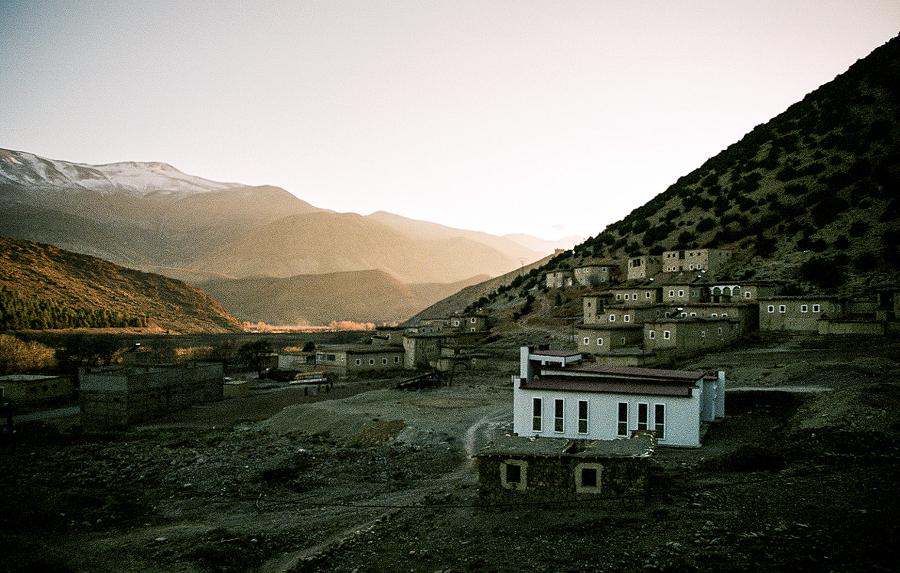
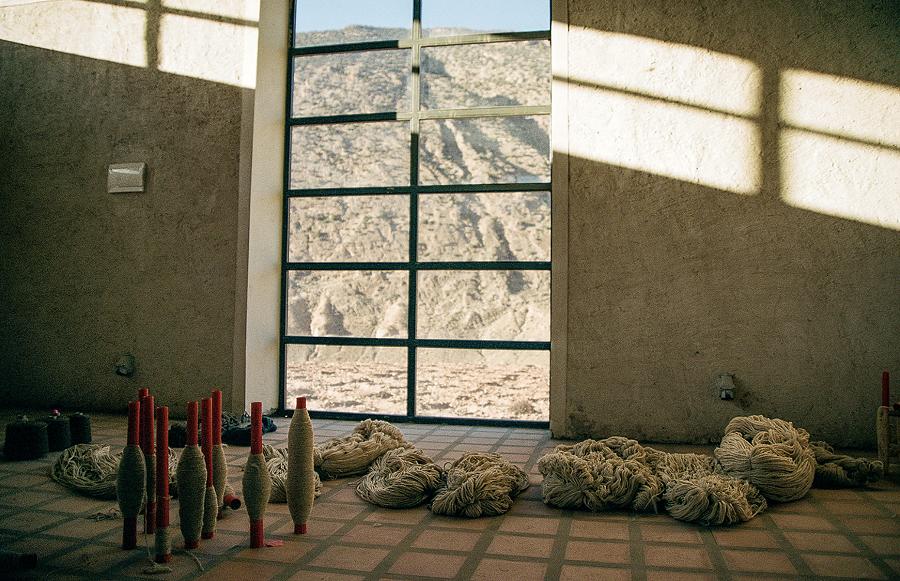
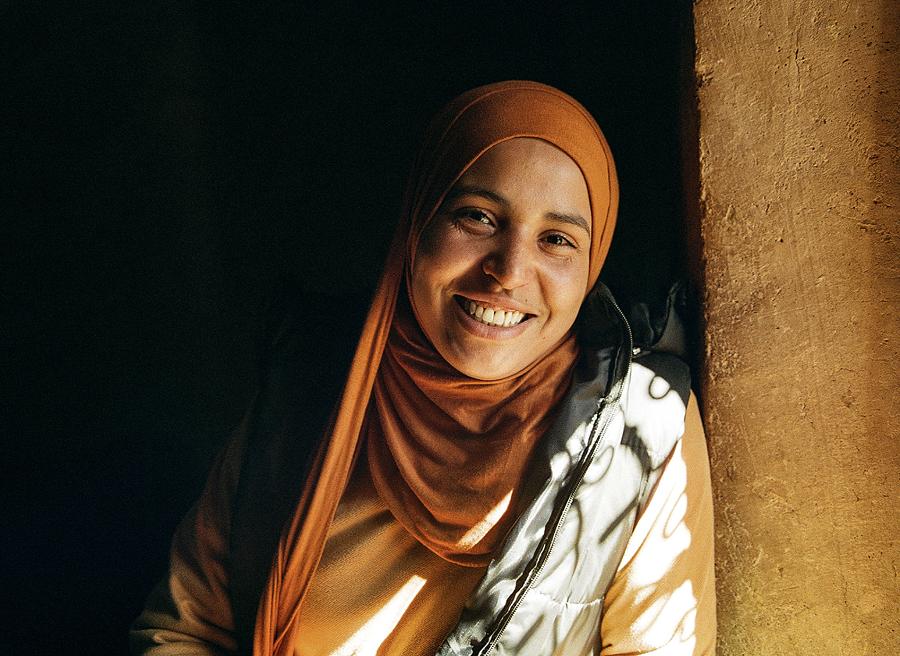
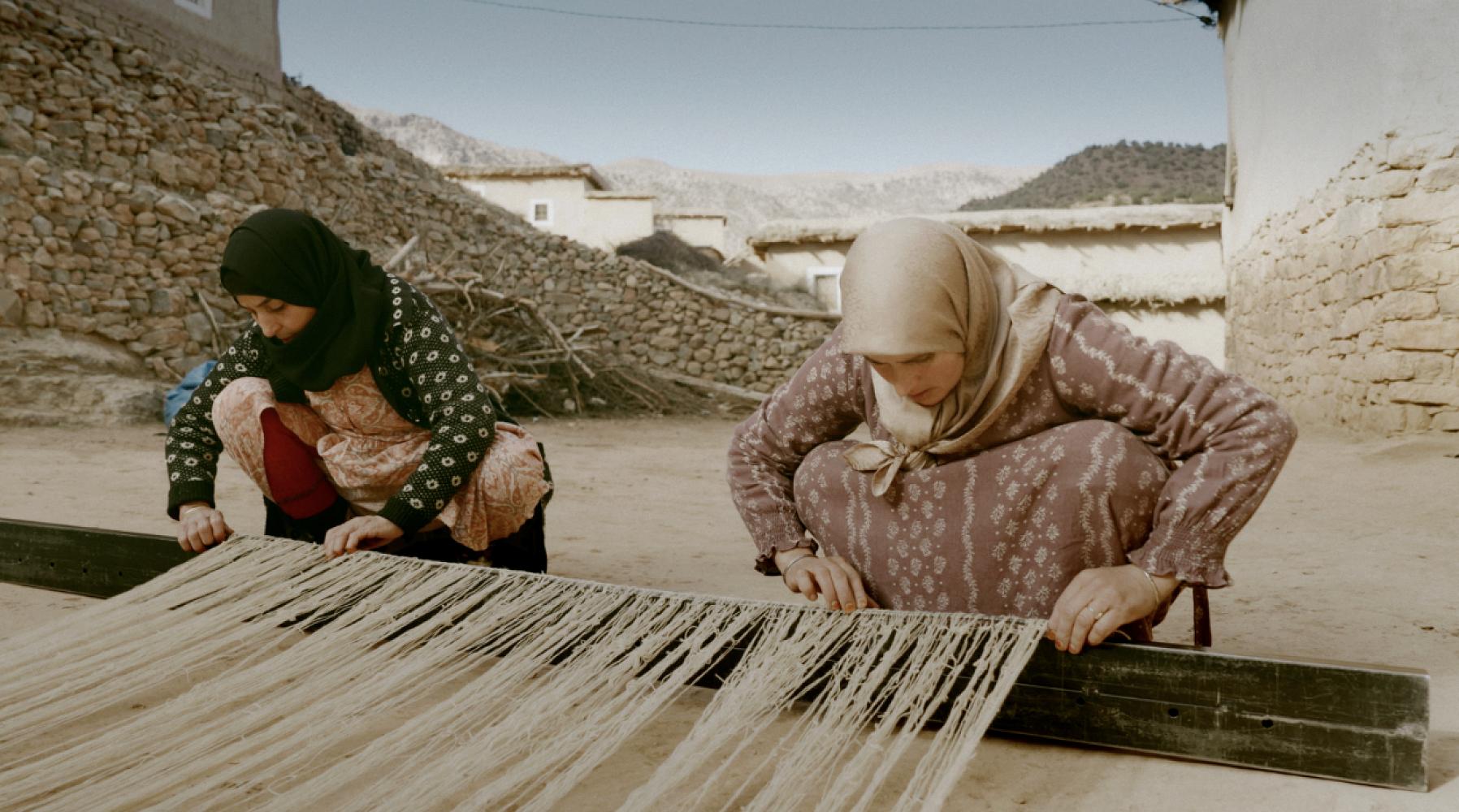
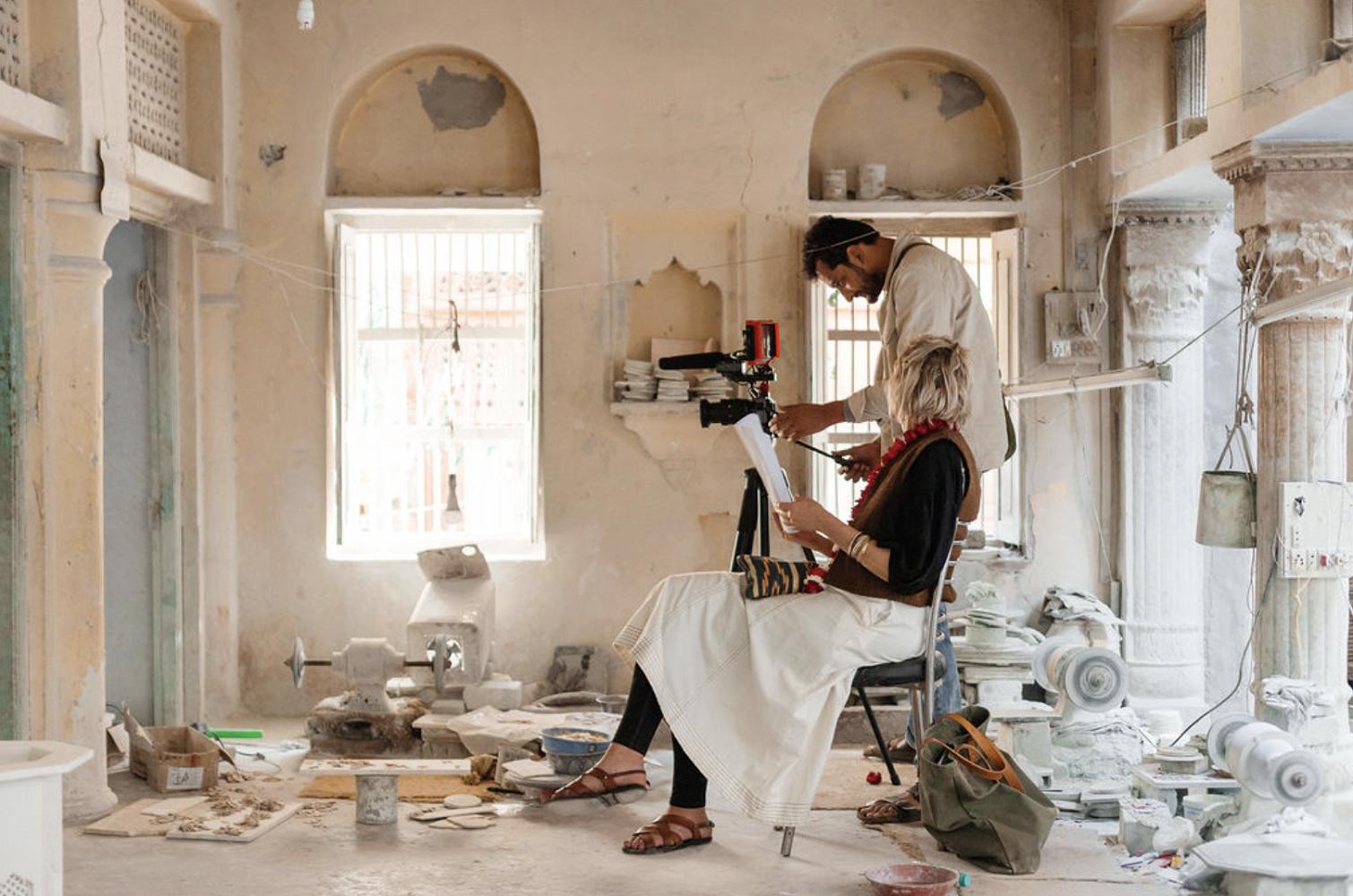
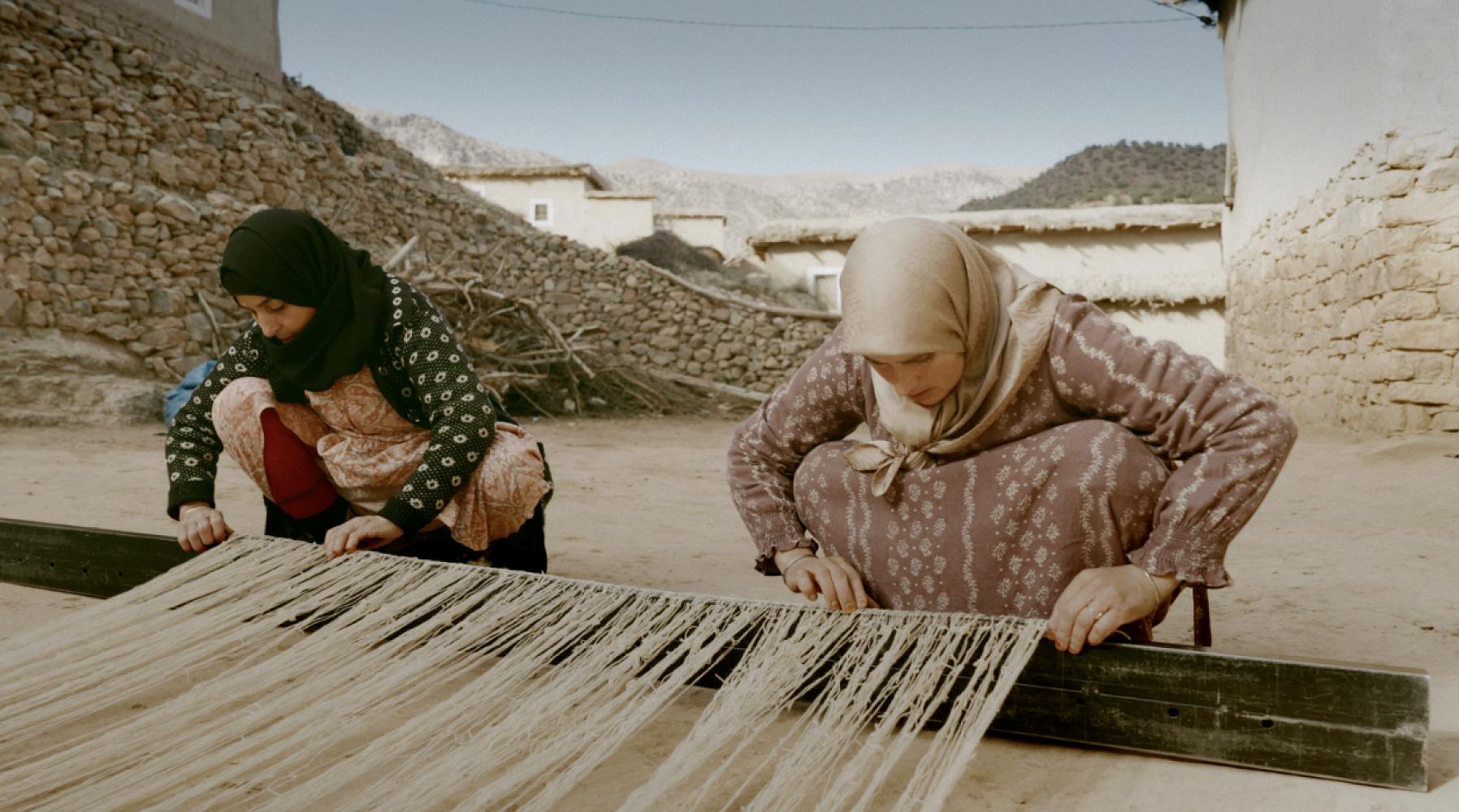
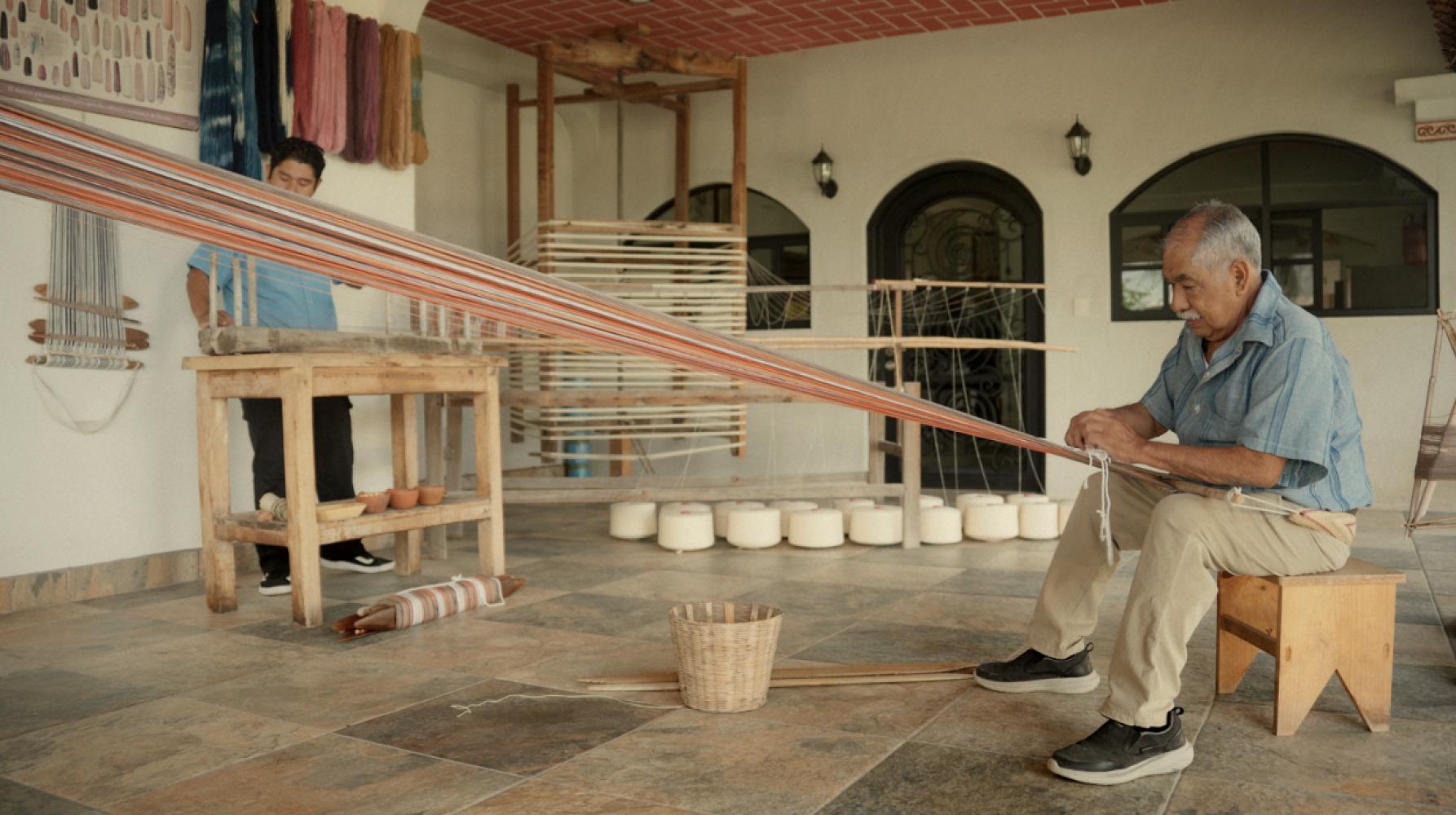
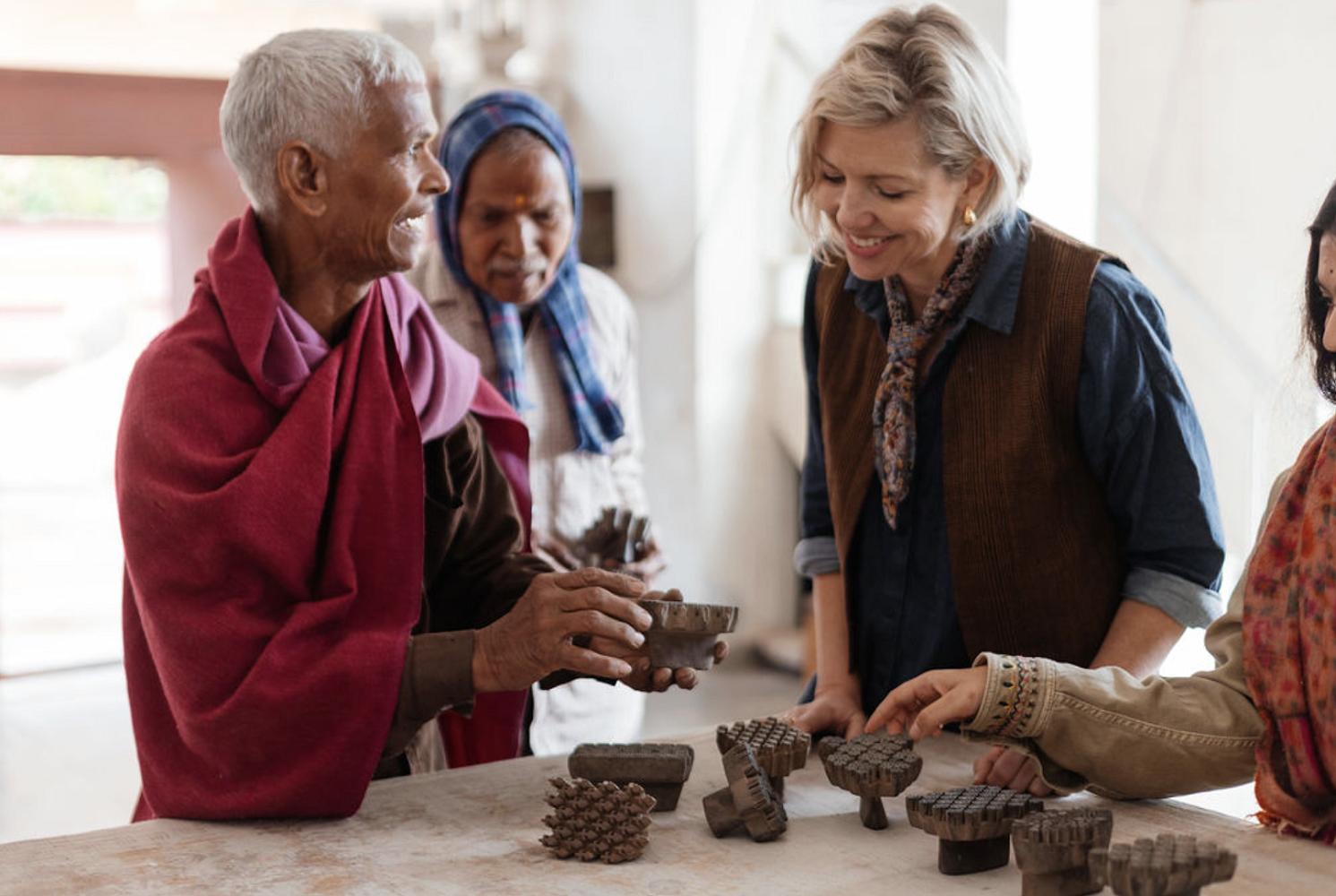
The film takes you on a visual journey around the world, from rug weavers in the Atlas Mountains to broom makers in Kentucky. It's thoughtful and diverse, incorporating expert industry voices, including my colleagues Karen Gibbs of ByHand Consulting and Ana Paula Fuentes, as well as master artisans such as Malika Wicho (rug weaver in Imelghas, Morocco ), Simon Munyua (recycled glassblower in Nairobi, Kenya), Ifran Ali (marble inlay master in Agra, India), Arturo Hernández (backstrap weaver in Oaxaca, Mexico), Sushila Chhipa (blockprinter in Bagru, India), and many more.
It shares stories and conversations that reframe the impact of fast fashion and mass production, revealing a quieter crisis unfolding within the artisan sector: the erosion of cultural heritage and human connection. It makes you ask: What is the world without its diverse cultural know-how and heritage?
I feel this film speaks to the vulnerability of the artisan sector and acts as a wake-up call about what is lost when cultural knowledge disappears. It asks us to imagine a world without the richness and diversity of craft and culture. Traditional craftsmanship keeps this world colorful, meaningful, textured, and beautiful — something we need now more than ever.
While working in this field, I have seen an increasing rise in handmade products, yes, and positive change for some artisans. But from a macro perspective, I have not seen widespread improvements in artisan livelihoods. I think this film comes at an important time, as we really need to rethink the business model(s) and how to put greater value on handmade products, natural materials, and this vulnerable craft know-how.
The world is quickly changing, and we need to change with it — ensuring we continue to focus on the real needs of artisans and the actions needed to better support them, so this important know-how can move into the future.
You can take a peek at the trailer here, see the next film screenings below, and enjoy the full interview with Kirsten below.
"I saw that these traditions are at a breaking point. As social media and mass production accelerate our addiction to trends, centuries-old skills are dying with today's elders. HANDMADE FUTURE explores the human cost of that loss: the millions of livelihoods at risk and the erasure of cultural diversity in an increasingly uniform world."
To start, congratulations—this is a beautiful film. For those who may not be familiar with it, what inspired you to create HANDMADE FUTURE, and what do you hope audiences take away from it?
For two decades, I have spent time in the workshops of many master artisans around the world—the quiet keepers of a handcrafted history. HANDMADE FUTURE was born while leading a craft tour in Morocco when I realized that a day spent with an artisan family offers a profound connection to a culture's beauty that words alone cannot capture. I felt an urgent need to translate that lived inspiration into a cinematic experience so that many others could glimpse that inspiring world as well.
I saw that these traditions are at a breaking point. As social media and mass production accelerate our addiction to trends, centuries-old skills are dying with today's elders. HANDMADE FUTURE explores the human cost of that loss: the millions of livelihoods at risk and the erasure of cultural diversity in an increasingly uniform world.
I wanted the camera to honor the rhythm of the work and experience of being in an artisan workshop. We used local music and aerial cinematography to capture the uniqueness of each community, as well as intimate close-ups to highlight the tactile beauty and organic textures of artisan crafts. I wanted the film’s tone to be reflective and personal, aiming to immerse the audience in the quiet dignity of traditional crafts.
Ultimately, this film asks a simple question: can we reclaim a handmade future? I want viewers to recognize themselves in this cycle—as both part of the problem and the potential solution. I hope they leave the theater not just informed, but inspired to reconsider the value of the things they hold in their hands.

The film covers a complex and wide-ranging topic. How did you decide which places and artisans to focus on?
Picking just nine artisan crafts wasn't easy because there are so many incredible artisans I know and love around the world. However, I had a gut feeling based on my relationships with key people on the ground in each location. That relationship and their enthusiasm to participate in the documentary were major deciding factors in where we focused our stories.
I wanted to capture a variety of crafts representing different kinds of people in the global handmade sector, ranging from Appalachian broom makers in the USA to weaving cooperatives in Africa, and from a candle-making family in Oaxaca to an emerging slow fashion designer in the UK. Each artisan captures the beauty of craft through their own unique culture, creativity, and worldview. Artisans also face numerous challenges that threaten the disappearance of many heritage crafts; therefore, I wanted to explore these challenges alongside inspiring examples of how they are being overcome.
I also lead Craft Tours through ARTIST & NOMAD, so I ultimately organized the shooting schedule around some of those tours to save on time and costs. When I was already in certain parts of the world, I could stay an extra week or more to focus on the documentary after the tour ended.
During the filmmaking process, what surprised you the most? Was there anything that unfolded in a way you didn’t expect?
Originally, the film was called "Middleman" because I wanted to explore the exploitation artisans face and the various examples of both positive and negative middlemen. However, during the film's editing, it became clear that a much bigger and more hopeful message was emerging. When we interviewed Cynthia, the broommaker of Kentucky, she said that she believed in a "handmade future." I immediately knew that was the film's theme and later made it the new title. Middlemen are still explored in the film, but ultimately, a larger story of hope emerges.
"A positive middleman can advocate for market access, mentorship, and fair prices, creating sustainability and dignity for the artisans."
The role of the "middleman" raises an important and often debated issue. While intermediaries can reduce artisans’ margins, they can also play a key role in helping them reach broader markets. In your view, what does an ideal model look like for artisans today? And what do you hope viewers reflect on when thinking about the role of the “middleman”?
I think the film includes examples of both positive and negative middlemen. Lore from Hadithi Crafts in Kenya is, in my opinion, an ideal example of a middleman. I have worked alongside her for over 10 years and seen how she has impacted the community in the Taita Hills of Kenya. Her team is Kenyan, and the artisans are given agency and ownership in each cooperative. They are heavily involved in the decision-making process and the success of selling their traditional baskets. Lore has helped create and grow market access so 1900 women can continue their craft and support their families. She works behind the scenes as a strong advocate and mentor for the artisan cooperatives, and she has trained local Kenyans to be the primary leaders in overall production coordination with the cooperatives. It's a brilliant model.
However, direct trade models are ultimately the best for artisans. They receive the highest margins. Unfortunately, direct trade success is rare because most rural artisans lack access to markets or the knowledge and connections needed for successful direct sales. A positive middleman can advocate for market access, mentorship, and fair prices, creating sustainability and dignity for the artisans.
I have thought a lot about the role I played as a "middleman" over the years, especially when I was the CEO of a fashion company. I think I always had good intentions, but I can look back and learn from some mistakes or intentions that maybe weren't necessarily good for the artisan community, especially regarding scaling and trends. Today, I focus more on being a coach and advocate to artisan leaders who ask for my support in developing collections that they can take to the international market. Most artisan brands are still owned and represented by Westerners, so I am eager to support local artisan leaders ready to take their businesses to the next level without relying on production for another brand. So I guess I am still a "middleman," but ho
"I have spent a few decades in the global artisan sector and have firsthand witnessed the impact on artisans and their families when they are not given fair value and appreciation for their hard work. This is why traditional crafts are disappearing from many communities and why many artisans struggle to earn enough to cover their basic needs."
The scenes in the film that highlighted the disparity in profits between the artisans and the people they sell to were particularly confronting. How can the average consumer be part of the solution?
We have the freedom to choose what we buy and where we buy it, so we should exercise that freedom to set other people free. Celia, the slow fashion designer, shared this during one of our documentary interviews. I have spent a few decades in the global artisan sector and have firsthand witnessed the impact on artisans and their families when they are not given fair value and appreciation for their hard work. This is why traditional crafts are disappearing from many communities and why many artisans struggle to earn enough to cover their basic needs. Many people don't know or understand the time and effort required to make a high-quality handmade item, so I hope that awareness of how things are made and who made them influences the way we think as consumers. If we are willing to slow down, buy less, and make purchases that support direct, fair trade with artisans, we can begin to be part of a powerful solution that both preserves and honors artisans, rather than the exploitation that often occurs. Hopefully, a positive one, more of an advocate and friend.
Was there a particular moment or story from the film that you found especially inspiring or that has stayed with you?
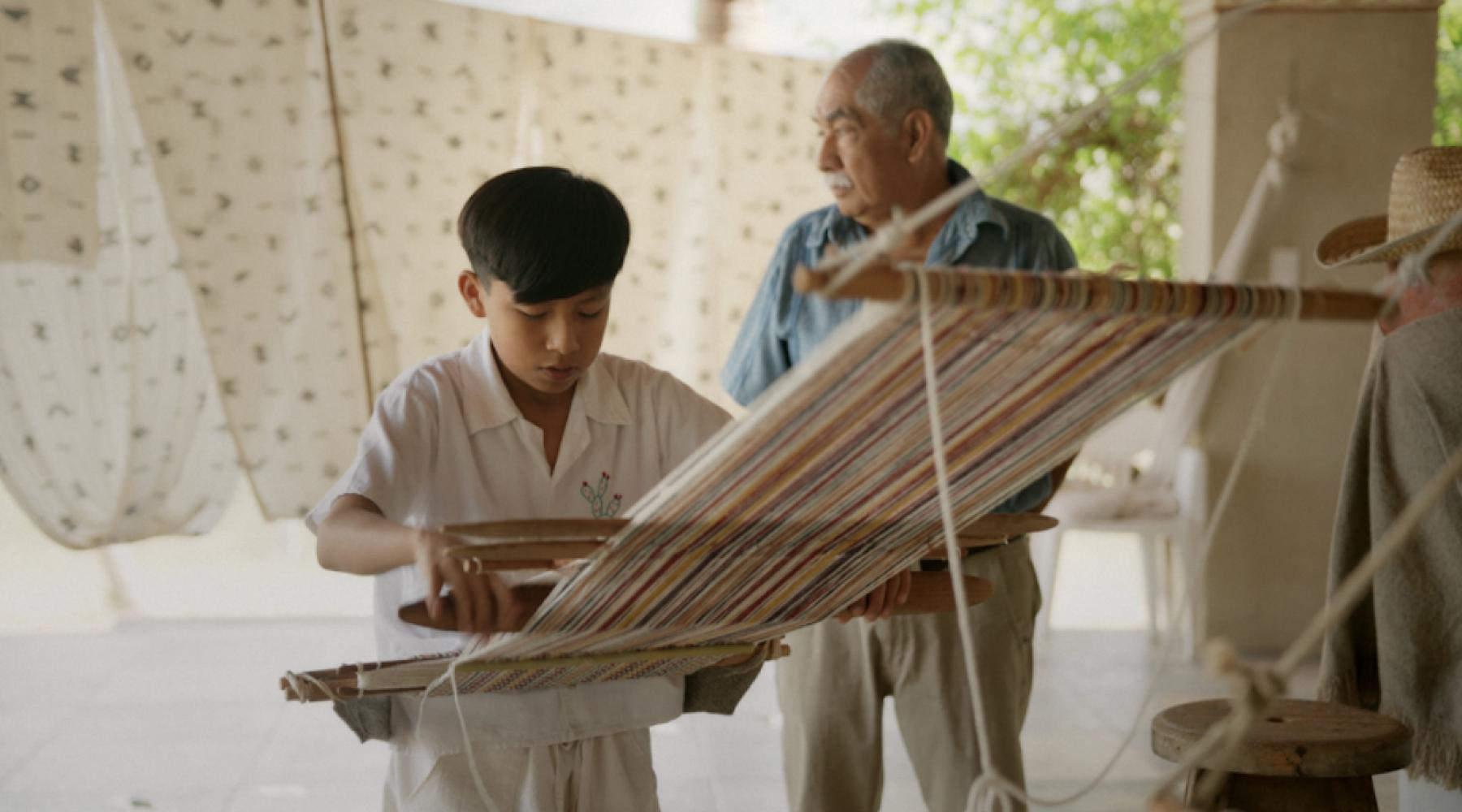
When we were filming the traditional backstrap weaver in Oaxaca, we had no idea this would become such a powerful generational story showcasing the importance of heritage crafts being passed down to the next generation. After filming the intricate weaving process, Senor Arturo, the master weaver, called his grandson Angel to join us. Suddenly, Angel (only 12) was weaving as masterfully as his grandfather. It was incredible to film them executing their craft side by side. When we asked Angel what weaving meant to him, he responded with such confidence and pride that we all started crying. While this traditional weaving has almost disappeared from the village, we witnessed a sign of hope for a handmade future for both his family and the local community. It was truly beautiful.
Another favorite moment is when Monika and I walked around the Bagru blockprinting community in India. It was a somewhat chilly and rainy day, so the artisans weren't laying out their textiles to dry in the fields as usual. We decided to document conversations with some community elders. She brought me to visit a family of master printers with multiple generations still involved. When we entered the family compound, three older gentlemen were sitting in a row against their wall, all bundled up because of the cold. These were the masters of the community. I adopted one of them as my Indian grandpa because his smile was so contagious, you couldn't help but smile back. You will know exactly who I mean when you see the film. It was a happy accident stumbling upon them just relaxing and chatting, so we filmed a natural conversation that turned into a show and tell of their journey as block printers. I visited them again on a recent trip to India and can't wait to hear what they think of the film when they screen it for the artisans in Bagru.
For those interested in watching HANDMADE FUTURE, where can they find it, or how can they stay updated on future screenings?
We are about to start our Summer/Fall Film tour! We will screen the film at various events and festivals in the US and internationally over the next six months. You can see a full list of locations on the FILM page of our website. We are updating the list as new screenings and details are confirmed. You can see the film trailer here as well.
One of my favorite upcoming screenings is at IFAM (International Folk Art Market). The film is also screening at several universities this fall, with a potential screening during the wholesale gift markets in NYC this August. Overall, the screenings are events that include a Q+A with me (director and producer) and my husband, Brandon (co-producer and cinematographer). Some screenings include an artisan market where attendees can shop to support artisans featured in the film, as well as local/global artisans beloved by the screening's host.
HANDMADE FUTURE is a nonprofit film, so all proceeds support our nonprofit arm that provides coaching, grants, and apprenticeships for artisan leaders. The film is ultimately a love letter to artisans, and I hope it is an inspiration to all who see it.
Upcoming Film Screenings:
June 12: Los Angeles, CA - Panavision Screening Room, 7pm
June 13: Agora Hills, CA - Lumber + Linen, 7pm
June 26: Berea, Kentucky - Berea Arts Council, 6pm
July 12: Santa Fe, NM - IFAM (International Folk Art Market), 11am
July TBD: Waco, TX - Waco Independent Film Festival, TBD
July 29: Oaxaca City, Mexico - Private Screening with the artisans, 5pm
August 2: New York City - Shoppe Object , more details soon
September 12: London, UK - London Textile Month @ London Screen Academy, 3pm
September 21: Belton, TX - Mary Hardin Baylor University, more details soon
September 24: Philadelphia, PA (Bryn Mawr) - Bryn Mawr Film Institute, 7:30pm
September 27: Detroit, MI - Detroit Month of Design @ the Senate Theater, 2pm
October: New York City - Parsons School of Design, more details soon
View ALL the film tour dates here.
For more info, visit: https://artistandnomad.com/film