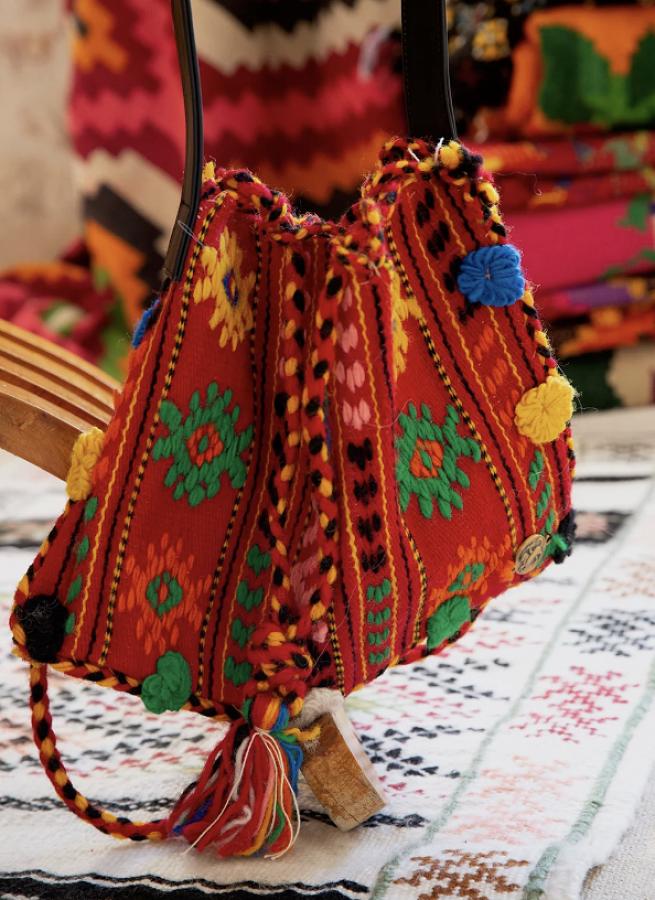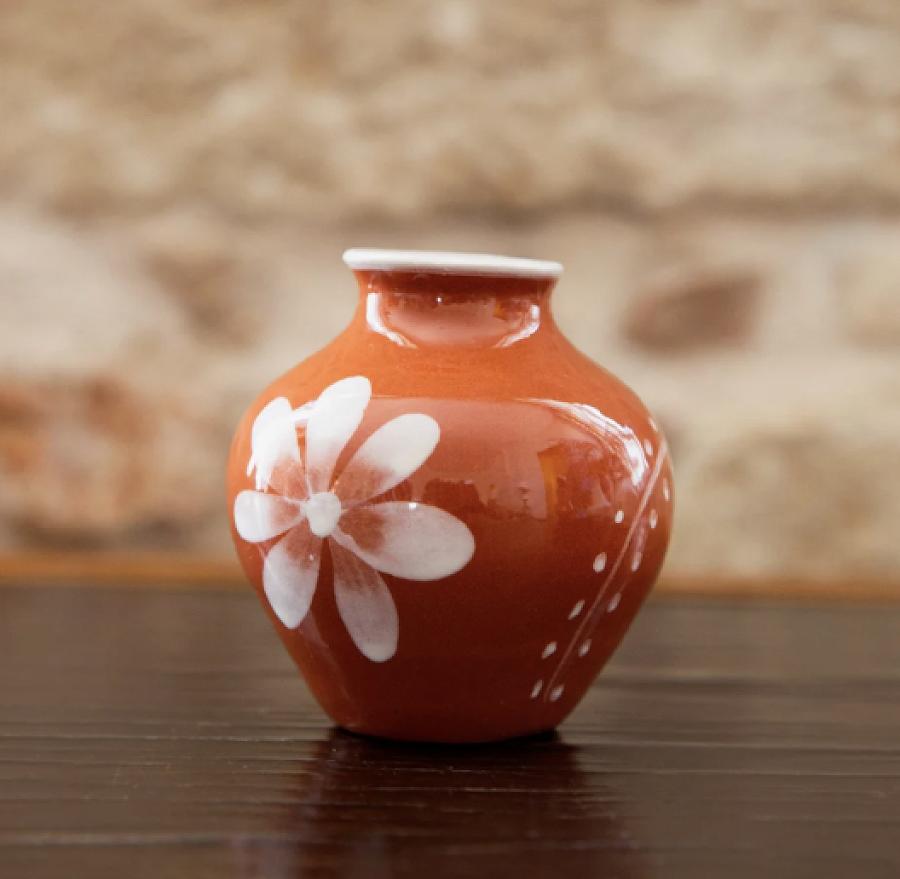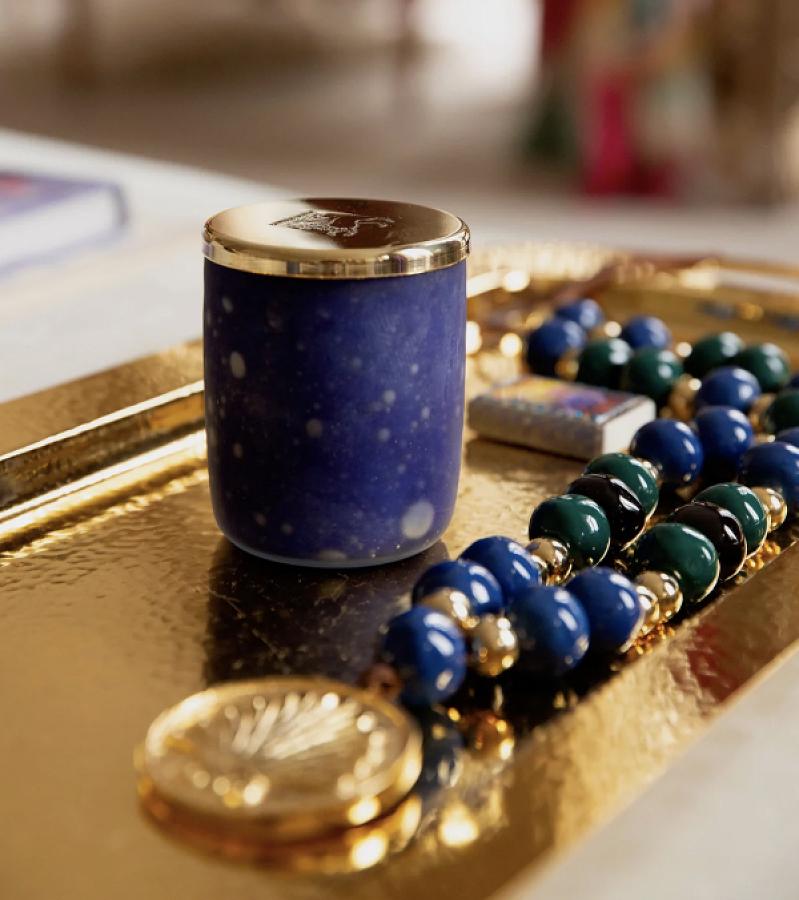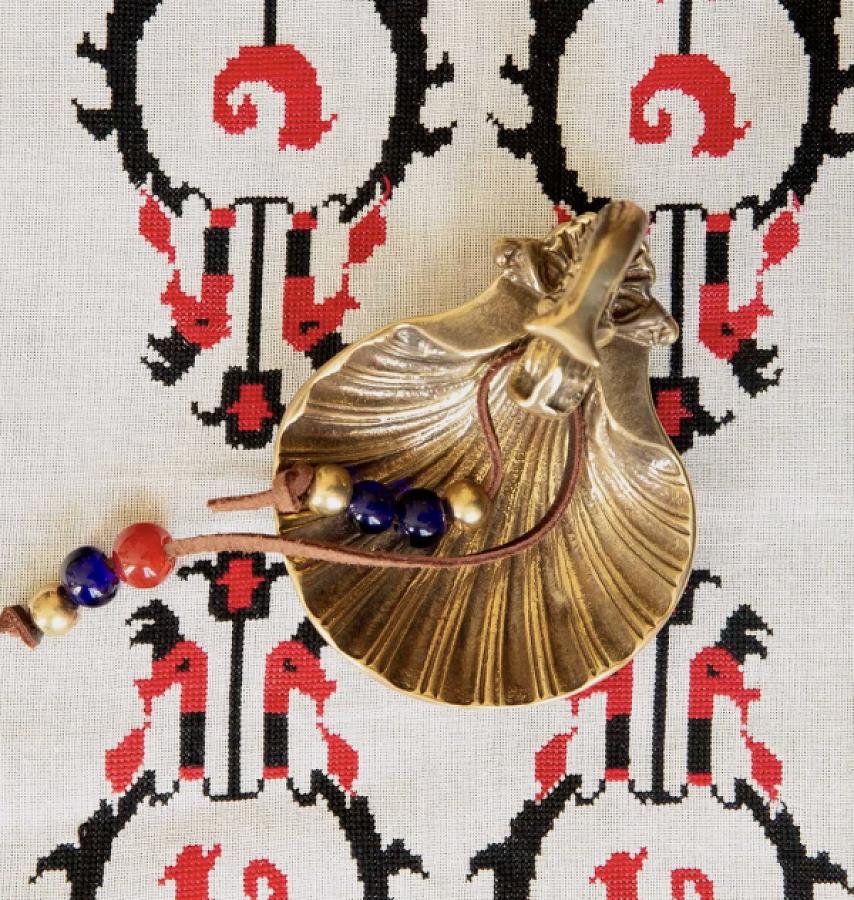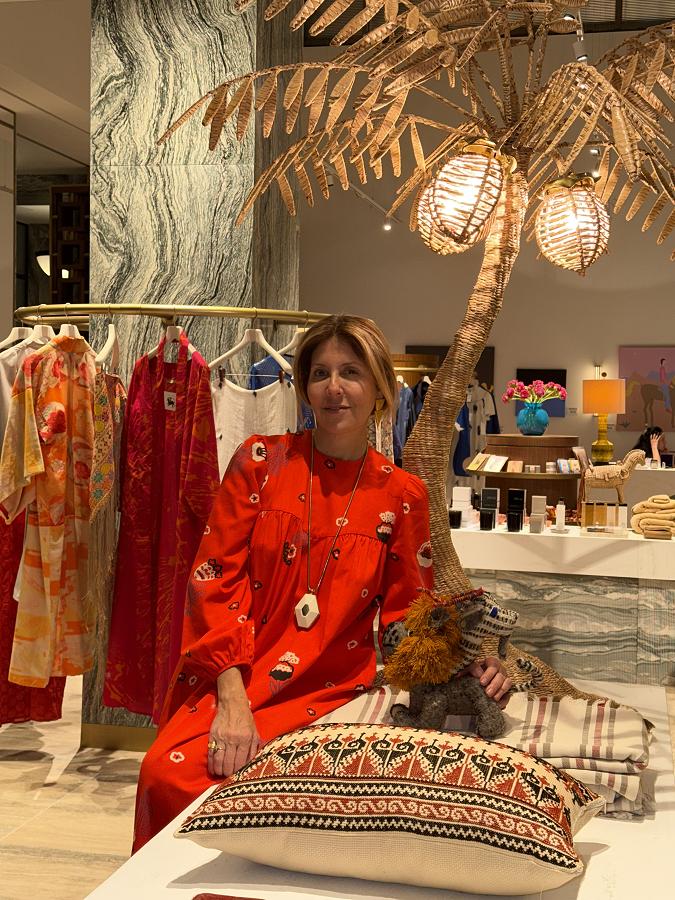
Andria Mitsakos, founder of Anthologist, a gorgeous artisanal home and accessory brand working with Greek artisans and makers around the world, and a longtime local to Athens, takes us away from the touristy loop and shares Athens through her eyes- the places she returns to again and again.
Seeing you have spent over a decade living in Athens, how have you seen the craft scene evolve? Are you seeing a revival of interest in traditional crafts, and what role is the government playing in supporting these traditional craft and know-how? Looking ahead, what do you think the future of Greek crafts looks like, and what initiatives or policies would you like to see to help the sector thrive?
There is absolutely a renewed interest in craft in Greece, but I think we have to distinguish between an interest in the look of craft and actually sustaining the people who know how to make things.
Greece has an extraordinary material vocabulary: weaving, embroidery, ceramics, wood carving, metalwork, basketry, stone. Much of that knowledge was once simply part of everyday life. It was passed from one generation to another without anyone necessarily thinking of it as something that needed to be “preserved.” Now we are reaching a point where some of those skills can disappear within a generation.
At the same time, I am very optimistic. There is a younger generation of Greek designers looking at traditional techniques without feeling that they have to reproduce the past. That is where it becomes interesting to me. Preservation doesn’t mean putting something behind glass. A craft survives when somebody can make a living doing it and when there is a reason for the next generation to learn it.
I would love to see much more structured support at a government level: apprenticeships with master craftspeople, grants that are actually accessible to very small workshops, documentation of endangered techniques, and incentives for designers and artisans to work together. We also need to think about craft as an economic and cultural asset, not simply something connected to tourism.
The most inspiring initiatives I see are often quite small: individual makers returning to their villages, designers finding old workshops and putting them back into production, or families deciding that a skill their grandparents practiced has value again. Those individual acts are creating a very interesting new chapter for Greek craft.

"I have always believed that retail should feel more like discovery than consumption. I often say, “collecting, not shopping.” I want someone to encounter an object, understand where it comes from, who made it and why it exists, and perhaps take it home because that story means something to them."
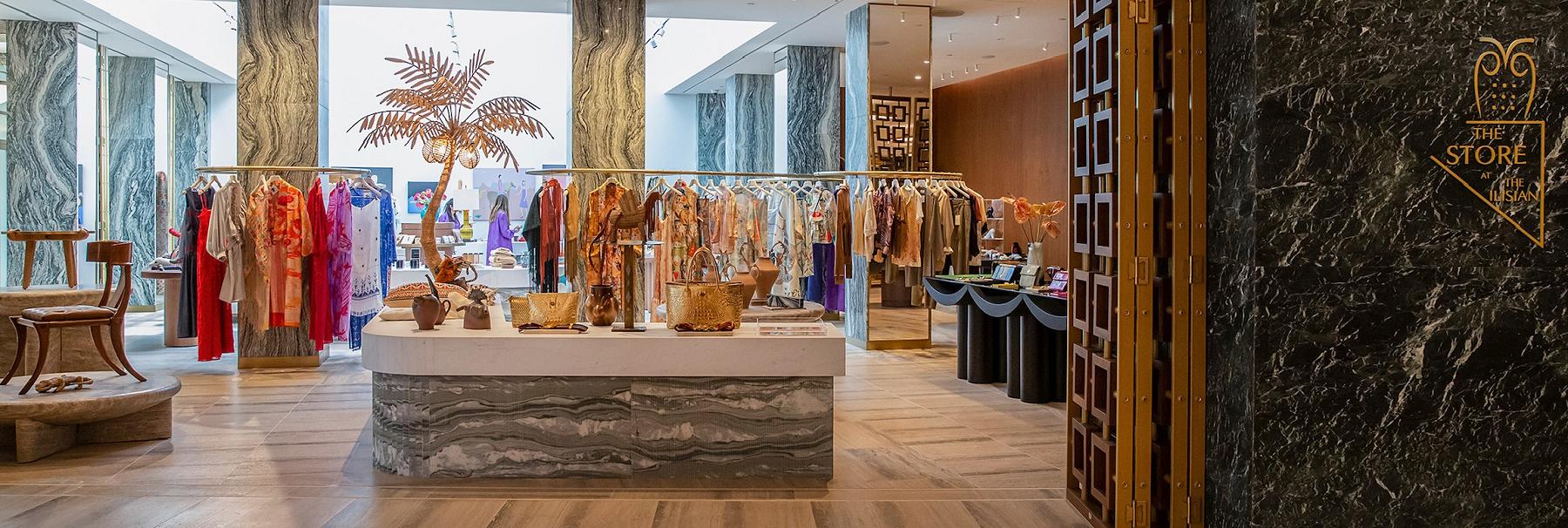
When I think of standout artisanal shops and simply beautiful boutiques in Athens, The Store at The Ilisian stands out. Can you tell us a bit about the inspiration behind this concept and how it came about?
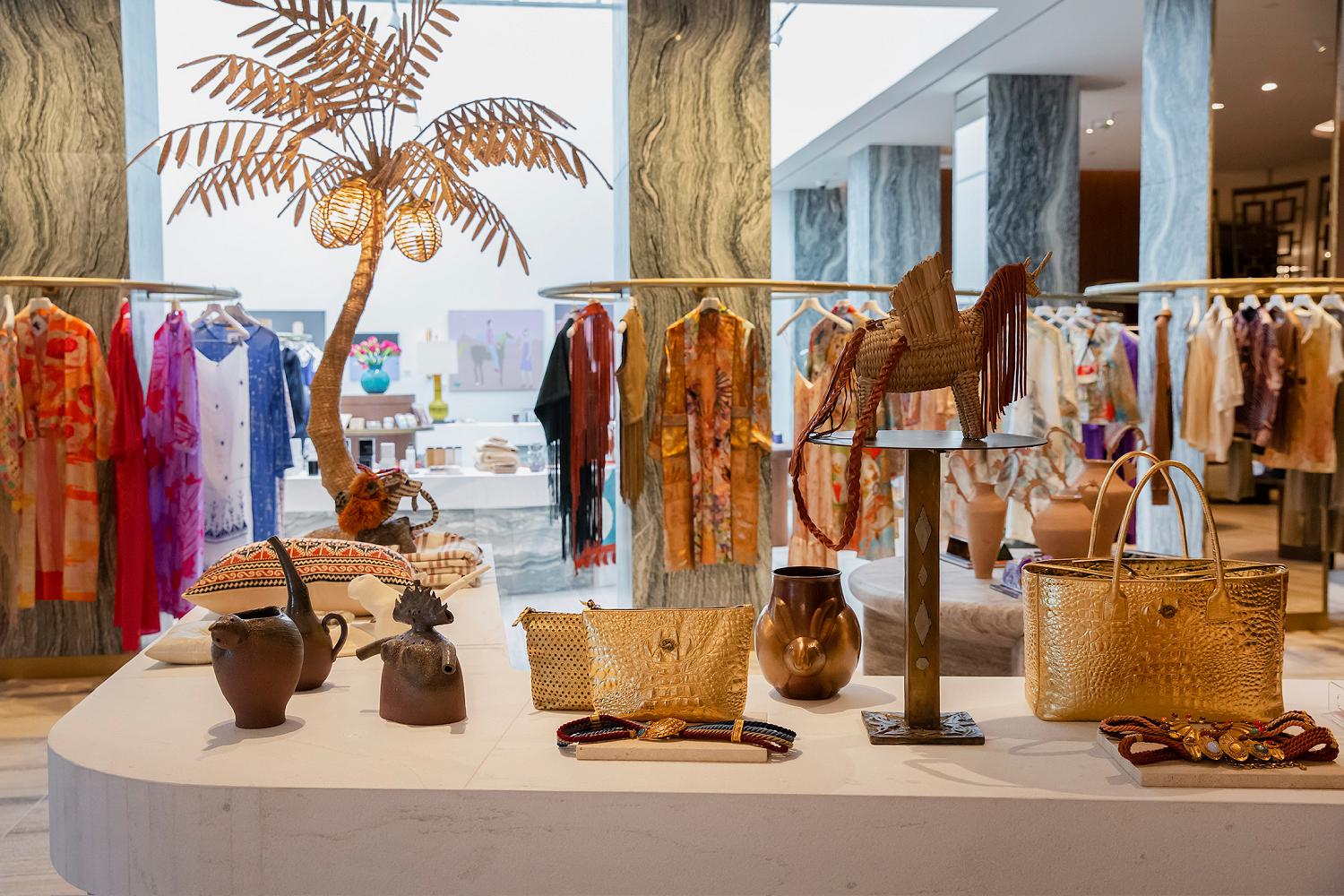
I have always believed that retail should feel more like discovery than consumption. I often say, “collecting, not shopping.” I want someone to encounter an object, understand where it comes from, who made it and why it exists, and perhaps take it home because that story means something to them.
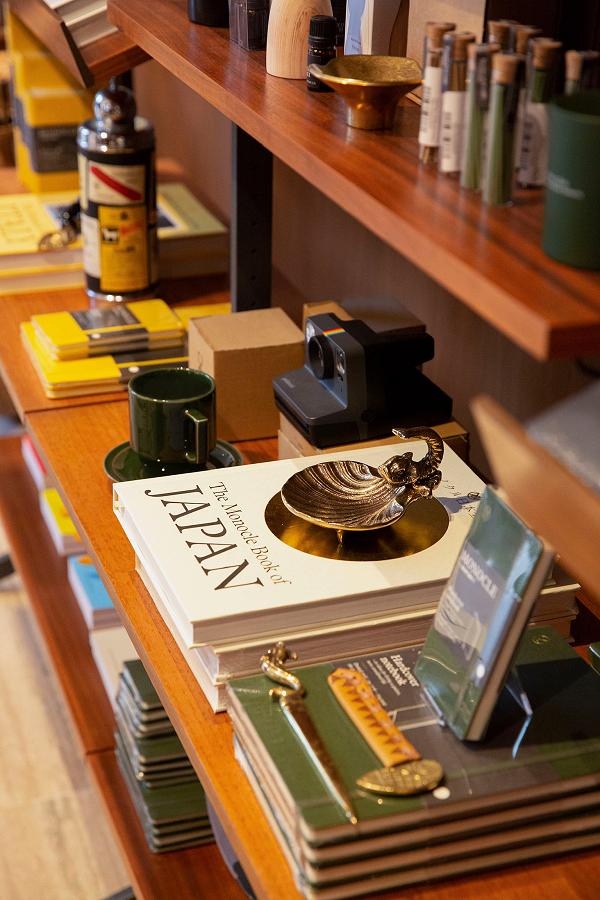
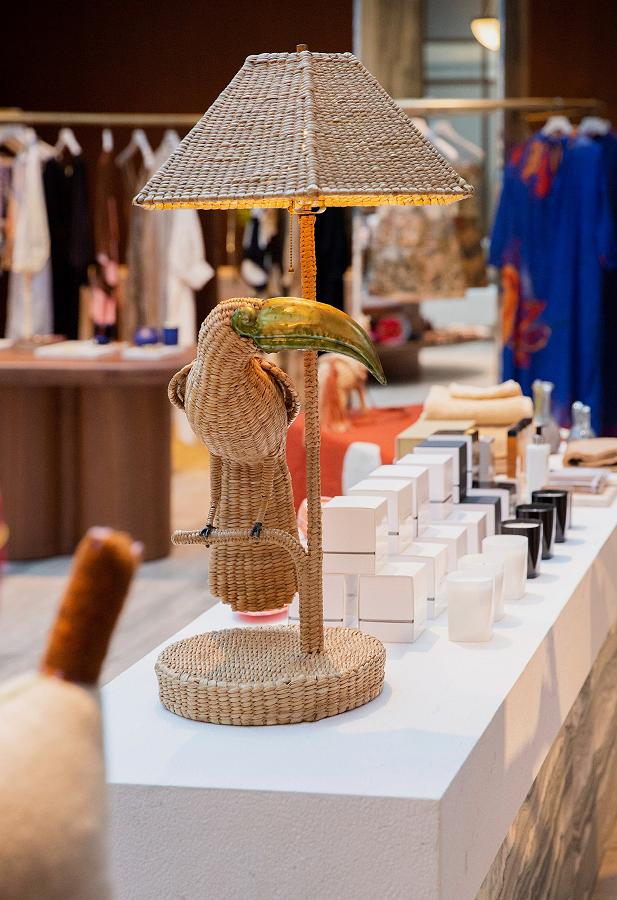
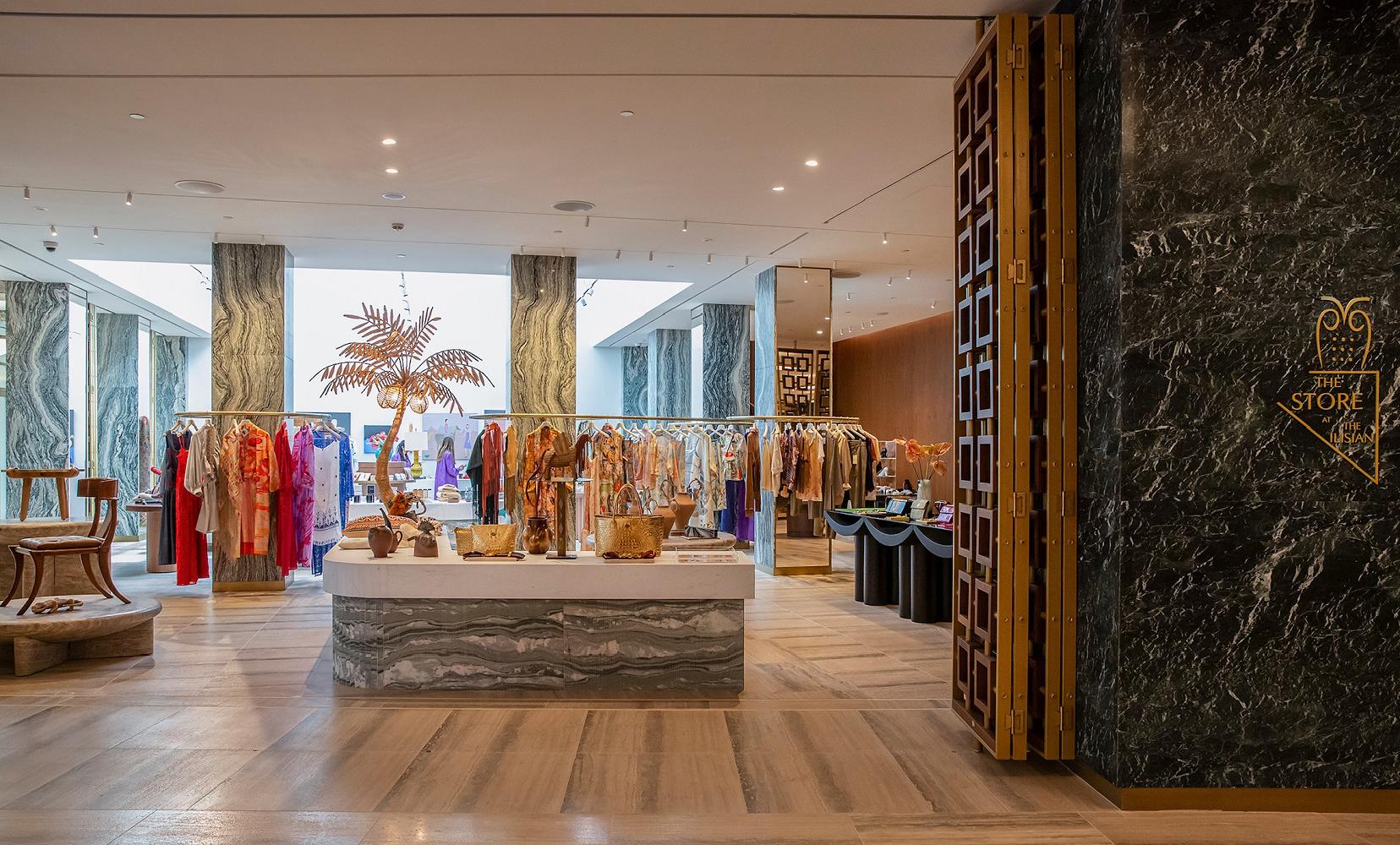
The concept at Conrad Athens The Ilisian gave us an opportunity to bring that philosophy into a hospitality environment. We mixed Anthologist pieces with vintage objects and things I had found or loved personally. I didn’t want it to feel like a conventional hotel shop where everything belonged to one collection or one season. I wanted it to have the feeling of someone’s travels and discoveries accumulating over time.
That is also very much how I live. A beautiful contemporary piece can sit next to something found in a market twenty years ago. Greek craft can sit beside something made in Cairo, Mexico, Sri Lanka or Kenya. For me, authenticity doesn’t come from everything having the same provenance. It comes from knowing why each object is there.
Tell us about Athens' vibe today. It feels more popular with travelers, designers, and artists than ever. What are your thoughts on the direction the city is going? What excites you most? Where do you find yourself hanging out, drinking, and eating that brings you the most joy? Perhaps a favorite day spent in the city?
Athens has remembered who she is.
For a long time there was a sense that we had to look elsewhere for ideas about design, food, fashion or hospitality. The economic crisis was obviously incredibly difficult, but one thing that came out of it was a generation of people who started making things themselves. They opened restaurants, studios, galleries, small hotels and shops, often without enormous resources. That created a very particular kind of creativity.
Then international interest in Athens grew, and I think that helped Greeks look again at what was happening here and recognize its value.
What I hope we don’t do now is polish Athens so much that we remove what makes it Athens. I love its contradictions: ancient and modern, elegant and chaotic, beautiful and slightly broken. It shouldn’t become another interchangeable European capital.
My ideal day is quite simple. I would start early with a walk up Filopappou Hill, when Athens is still relatively quiet. I love the Museum of Cycladic Art, and I can spend an enormous amount of time there looking at forms that are thousands of years old and somehow still feel completely contemporary. Lunch at Papadakis is always a pleasure. I like wandering without a particular destination in the afternoon, going down streets I haven’t noticed before. And at sunset, a drink on the rooftop of the Hotel Grande Bretagne looking toward the Acropolis is difficult to beat. My favorite coffee in the city is in my neighborhood at Coffee Dive, a must.
And, of course, I always tell people to come into Anthologist. Not because I think they need to buy something, but because we can usually send them somewhere interesting from there.
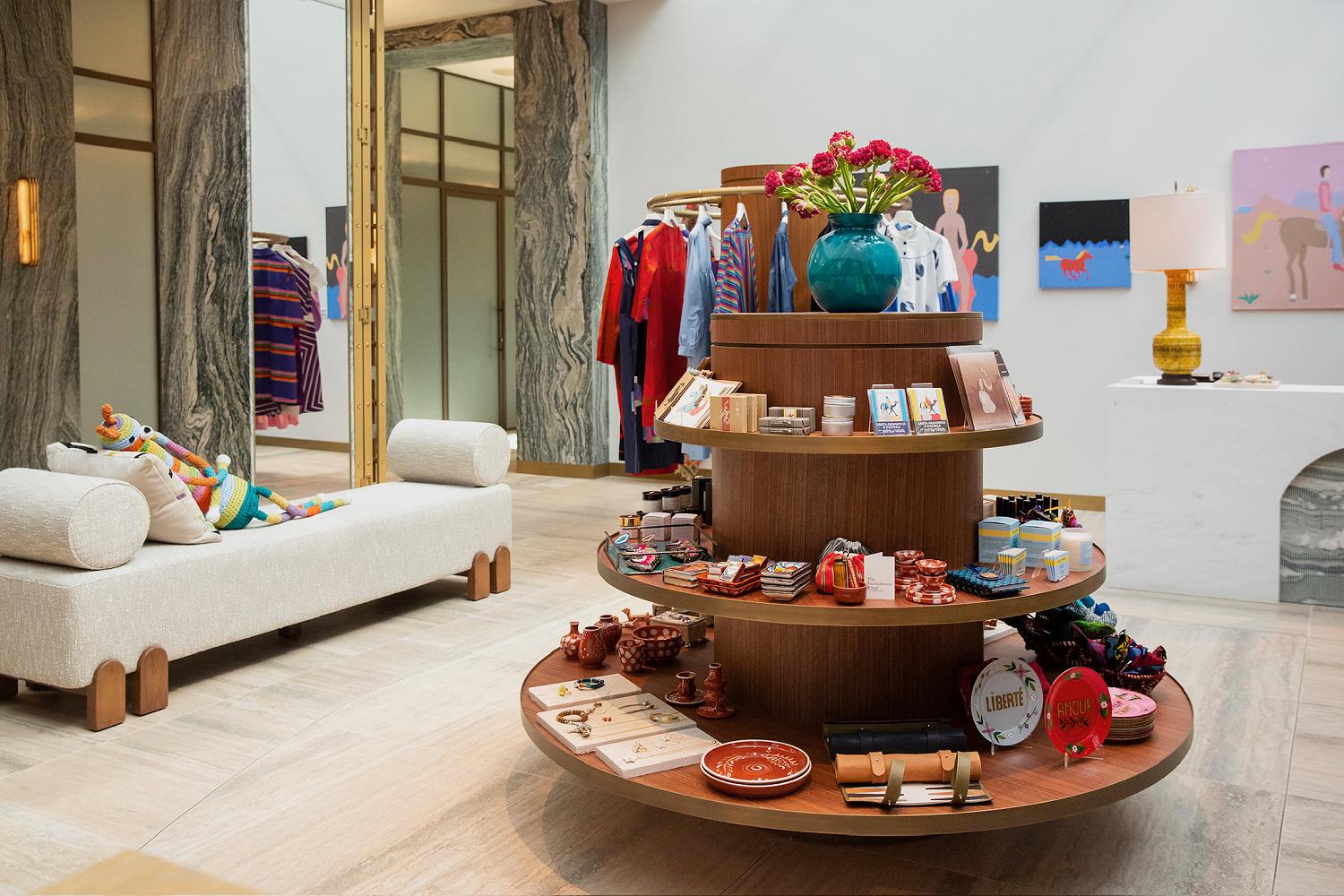
"I have also always loved museum shops. My mother and I would visit them together wherever we traveled, and they became a way of beginning to understand a place through its objects."
Favorite artisanal, small boutique shops in the city?
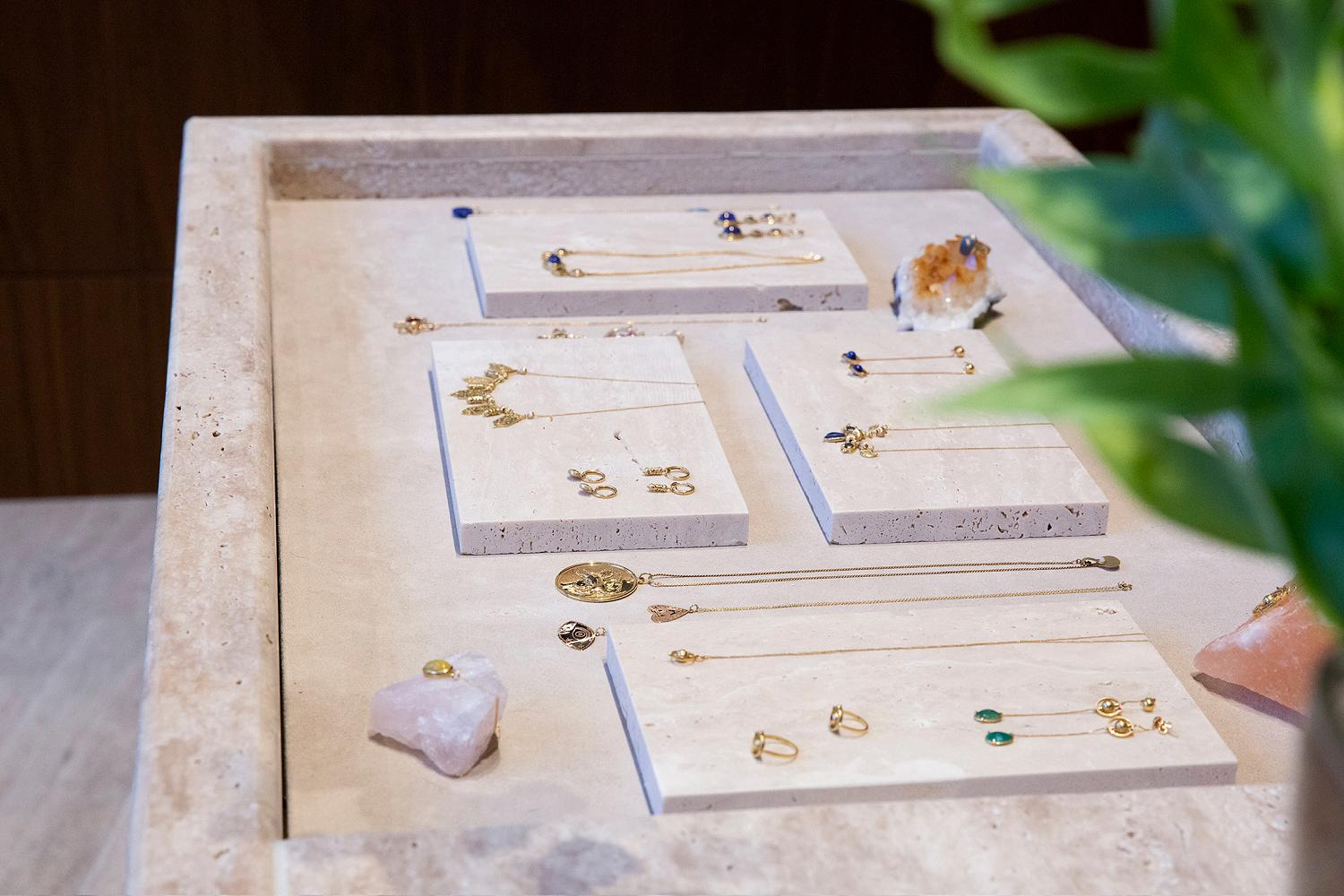
Obviously, I have to begin at the Anthologist showroom! It is our laboratory in many ways, and it’s where I like to start friends and visitors because we can send them off from there with ideas about what else to discover in Athens. And then you can spend hours at The Store at The Ilisian.
I have also always loved museum shops. My mother and I would visit them together wherever we traveled, and they became a way of beginning to understand a place through its objects. Athens has some particularly good ones. The shop at the Ilias Lalaounis Jewelry Museum is wonderful, as is the Museum of Cycladic Art shop, and I always find something interesting at the Benaki Museum shops.
Beyond museums, I love Mouki Mou in Plaka, and Ileana Makri, whose flagship in Kolonaki is absolutely worth visiting. We also stock Ileana’s work, but seeing her complete world in her own space is a different experience. Christina Alexiou has recently opened her own Athens store as well. We carry her work at Anthologist, and I think she is fantastic.
What connects all of these places for me is a very strong personal point of view. You understand who is behind the shop. That’s what I look for in retail wherever I travel.
Favorite neighborhoods?
I still love the historic center because you can walk and continually move between completely different versions of Athens. I love the streets around Monastiraki for hunting and looking, and I am endlessly interested in the small workshops and businesses that still survive in the center.
But one of the pleasures of Athens is that it isn’t really one city. Each neighborhood has its own rhythm. I think visitors should resist the temptation to spend their entire stay moving between a checklist of monuments and instead choose a neighborhood and simply walk.
Favorite little island for craft, food and culture?
I don’t think I could choose one, actually. One of the extraordinary things about Greece is how specific the traditions can be from island to island and region to region.
Sifnos immediately comes to mind for its long tradition of pottery, as well as its incredibly strong food culture. But then there is Crete, which is certainly not a little island, where the history of textiles and weaving is extraordinary, and where you can still find makers working across almost every medium. There are places throughout Greece where a particular material or technique is completely connected to the landscape and the history of that place.
I think that’s much more interesting than trying to identify one island as the destination for craft. You have to travel around Greece and discover these traditions where they belong.
"Athens reveals herself best when you stop trying to see everything. Leave the museum, wander through the surrounding streets, look into workshops and small shops, and talk to people. Some of the most interesting things in Athens aren’t destinations at all."
A place that you love and recommend visiting in Athens, which is often overlooked?
I would actually tell people to visit one of Athens’ smaller museums and, importantly, not skip the museum shop.
I grew up going to museum shops with my mother, and I still think they are one of the best places to begin understanding a city’s material culture. The Ilias Lalaounis Jewelry Museum is particularly special because you are looking not simply at jewelry but at an extraordinary history of Greek goldsmithing, design and craftsmanship.
And then I would walk. Athens reveals herself best when you stop trying to see everything. Leave the museum, wander through the surrounding streets, look into workshops and small shops, and talk to people. Some of the most interesting things in Athens aren’t destinations at all.
I love your collections at Anthologist. I appreciate how sensitive, slow, and close you work with your artisan partners. What are you working on now, and what is inspiring your next collection?
Anthologist has become increasingly about relationships rather than collections in the traditional sense.
We work directly with makers in Greece, but also with workshops and communities in places including Egypt, Mexico, Sri Lanka, Kenya and elsewhere. Some relationships have developed over years. I am much more interested in returning to someone and asking, “What can we make next?” than constantly searching for a new maker simply because the market expects novelty.
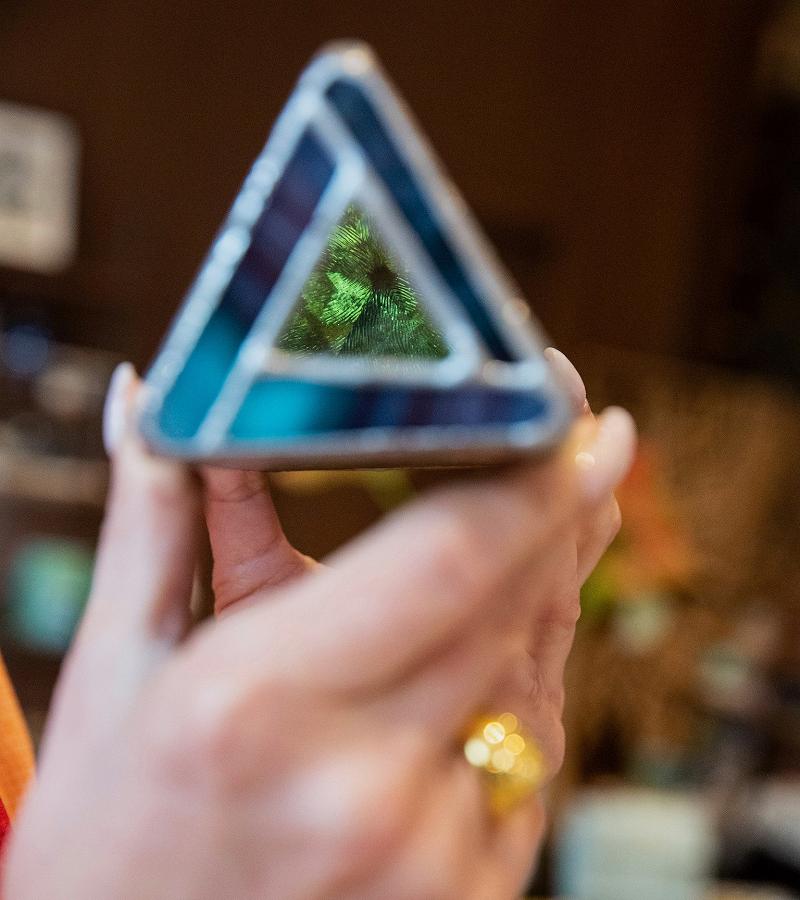
Right now I am thinking a great deal about the home and about objects that become companions. We are developing furniture and lighting alongside our existing work in textiles, objects, fashion and accessories, and I am particularly interested in pieces that have evidence of the hand in them. I don’t want perfection in the industrial sense. I want to see the maker.
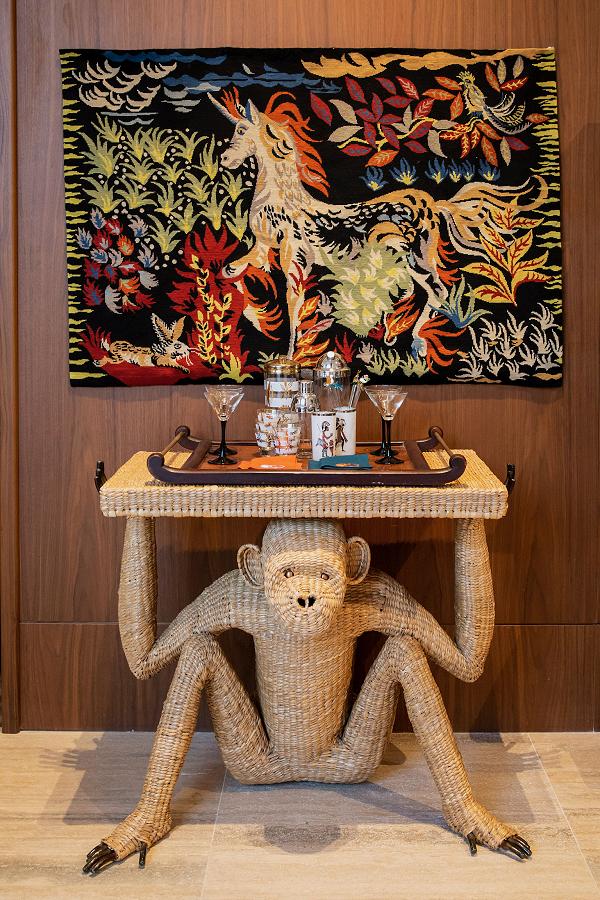
There is also a growing zoological world within Anthologist. Animals have appeared in the collection for years, but I am interested in pushing that language further, particularly in objects that have a sense of character and perhaps even a little humor.
More broadly, I am thinking about how Anthologist can participate in keeping skills alive. We manufacture a significant portion of what we sell ourselves, working with our artisan partners, so the question for me isn’t simply, “What should the next collection look like?” It is: “What is worth making? Who can we make it with? What knowledge does that support? And will someone still want to live with it ten or twenty years from now?”
That is where I think the future of Anthologist is.
To learn more about Anthologist, please visit: