
This week, I wanted to share something I’ve been reflecting on quite a bit – how this sector is being affected by, and coping with, steep and ever-changing tariffs, with a focus on India. The topic is, of course, complex and constantly evolving, but I feel it deserves attention. This is a topic that is affecting all sides of the industry – from brands working to build socially minded companies to artisan companies striving to produce high-quality, handcrafted goods. It’s challenging all around, but hopefully, the situation will settle out soon.
I hesitated to write about tariffs because the subject can feel overwhelming and because I’m far from an expert on the topic. But as someone working with both brands and artisans, I felt it was time to share what I’ve gathered. I recently asked more than 15 companies how they’re being impacted, how they’re coping, and perhaps some silver linings amidst the chaos.
These tariffs threaten far more than trade. As we all know well, working in this field, they endanger cultural heritage, livelihoods, and the fragile ecosystems that sustain artisan work. Thousands of jobs are at risk. Margins for handmade goods in India are already slim, and this puts an already vulnerable market in an even more precarious position.
Amid all this, I keep thinking about a few silver linings – perhaps not solutions, but places to at least focus our energy as we navigate these challenging times. For both sides, it may be time to rethink how we add value to each piece: creating fewer items with stronger design intent, deeper craftsmanship, and more sustainable profit margins.
A recent Business of Home podcast with Alex Shuford spoke to all this (a highly recommended listen, and podcast in general) – about resilience, differentiation, and the power of craftsmanship and how it is shaping the future of the home décor industry.
"If prices must rise," Alex Shuford argued, "we have to show why and market our processes even better – by communicating the story and the human touch behind each product. Consumers don’t automatically understand value; we have to help them see it. Luxe brands often justify higher prices through perception, but that’s really just storytelling". He adds, “I think we really need to be better marketers.”
Strong, authentic marketing can protect what we do by revealing the real value: the sourcing journeys, the hours of work, the complexity of materials and regions involved, and the techniques that bring each piece to life. Prices can only be justified through that depth of craftsmanship and story – that’s where meaning and value live.
Intricate craftsmanship itself can also be a kind of protection. The more complex a process, the more materials, regions, and skilled hands involved, the harder it becomes to replicate elsewhere. High labor inputs, unique materiality, and complex construction don’t just add beauty; they make products more resilient in a tariff-heavy world. The more time, skill, and story embedded in a piece, the more its value remains protected. The less of that it carries, the easier it is to reproduce or move production elsewhere.
Of course, innovation isn’t only about the product itself. Can we package more efficiently, optimize container space, or design systems that make logistics part of the creative process? Many say that the market will most likely consume the same dollar amount but perhaps consume fewer units. Perhaps it’s also time to consider how vendors can approach and design for higher-end markets that can absorb these price increases more easily.
Consultant Carol Campbell adds to this point about finding ways to increase the value of your product. She says, “There is growing backlash against ‘luxury’ products as many consumers of these products feel that they are not getting the quality they expect from their investment. So, if your prices are getting higher, you will need to demonstrate value.”
For retailers, I know these are hard times, but to provide a little light, expert Alex Shuford also saw growth among small, high-end boutiques – “those under 10,000 square feet in the hippest neighborhoods, where every object is perfectly placed” and those that create an unbeatable experience. “Small, curated, on point.” He was also saying that larger multi-store retailers are holding steady, but it’s the ones caught in the middle who will continue to struggle the most and have trouble finding their footing—just some food for thought.
I truly believe that if a buyer feels they can’t find what you make anywhere else, and if they understand the value of what you are creating, they’ll keep coming back to you for the best of the best. I say this not to minimize the frustrations and challenges both sides are facing. Not at all - rather, the opposite. Focus on helping consumers see the actual value of craftsmanship and on protecting all the effort we put into it.
Below, I’ve shared what I’ve gathered from those in the field to remind you that we are in this together. I hope this provides some insights as we navigate these unsteady waters. More than anything, I hope this will all pass soon and stabilize, so we can get back to focusing on business growth, innovation, and creativity.
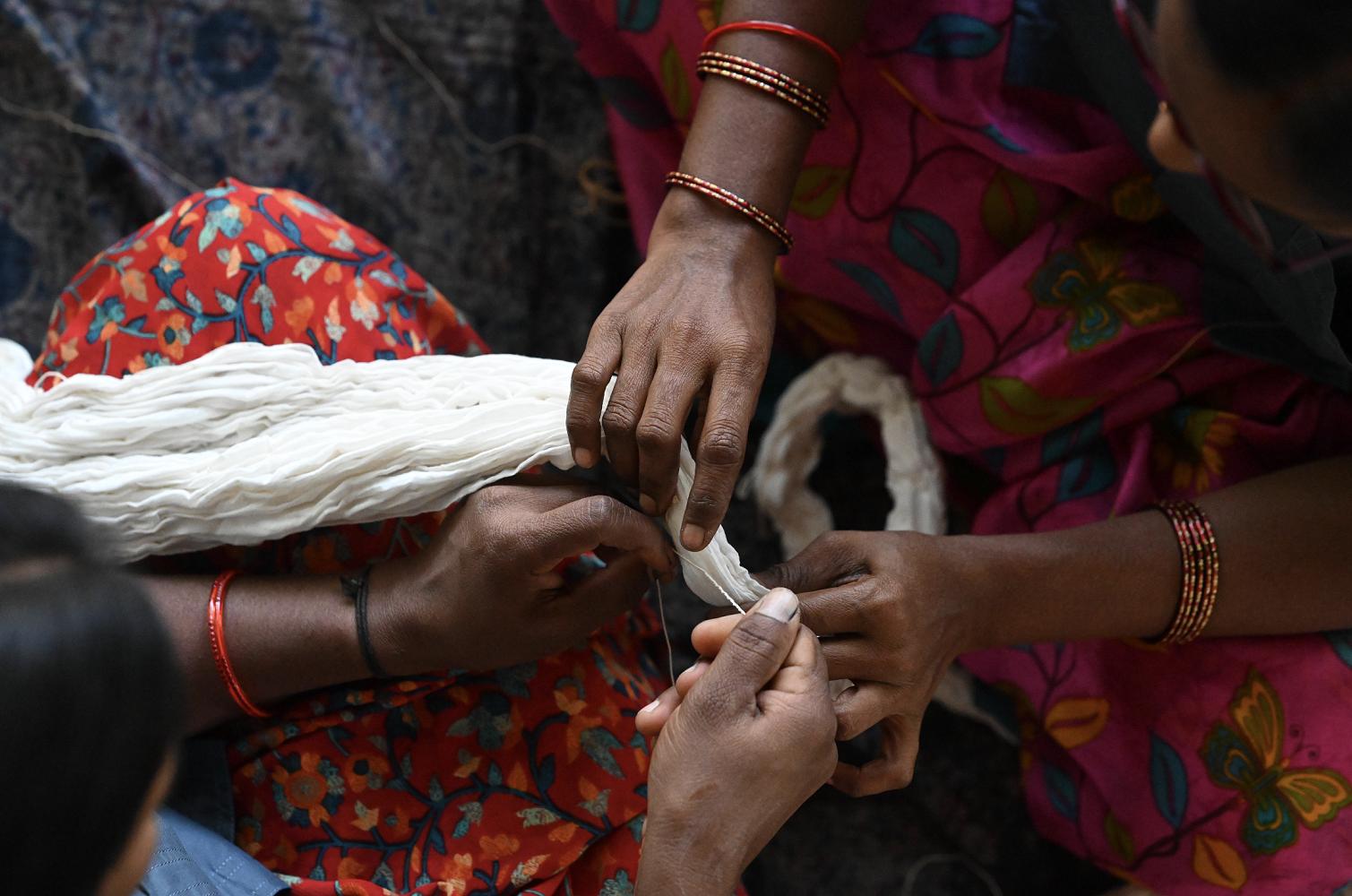
“Small handicraft companies are in deep trouble. The 50% tariff is brutal. Many are struggling to absorb the cost. Orders are drying up. Artisans are at risk of losing jobs. The artisan supply chain isn’t just about objects – it’s about livelihoods.”
The Artisan’s Perspective
From Assam to Delhi, artisans describe a growing sense of uncertainty and strain. “We’re seeing real nervousness,” says the team at 7Weaves, a premium textile producer rooted in forest-based community production. “Orders were initiated at a better time, but the sudden imposition of an additional 25% + 25% tariff is creating serious tension.”
7Weaves adds, “Artisan products are often not traded at prices that reflect their true value. 7Weaves focuses on building businesses for Loharghat forest village communities and their craft that are holistically true to the tradition, culture, and biodiversity, while ensuring them a sustainable, livable livelihood. At present, we do not have the resources to cross-subsidize the additional tariffs from the US market, nor can we compromise on our core objective of delivering fair and sustainable livelihoods for the communities we work with. Therefore, offering price discounts to absorb the additional costs is not feasible for us. This means clients will have to absorb the additional tariffs themselves.”
For many, passing the cost on to already price-sensitive buyers isn’t feasible, nor is absorbing it. “We can’t offer price discounts to absorb these tariffs – that would undermine our core objective of delivering fair, sustainable livelihoods,” they add. “It means clients will have to absorb the additional tariffs themselves, which we deeply regret.”
At Eco Tasar, the sentiment is similar: “We’ve offered small discounts, but it doesn’t offset much.”Others, like Kullvi, are redirecting efforts toward Europe and strengthening existing markets.
Anita from Conserve India puts it plainly: “Small handicraft companies are in deep trouble. The 50% tariff is brutal. Many are struggling to absorb the cost. Orders are drying up. Artisans are at risk of losing jobs. The artisan supply chain isn’t just about objects – it’s about livelihoods.”
For many, this isn’t only about economics but survival – both cultural and personal. As one producer noted, “If this continues, it won’t just impact business. It will mean cultural erasure.”
Manish Shah of East India Co says, “So it started with an initial 10% tariff, where all buyers who we work with asked us to share part of the tariff cost (meaning we discounted all our prices by 5%). The next one is 50%, which is huge, and we haven’t received any info from buyers, nor have we received new orders since the increase. So, we are waiting and watching. I guess buyers are doing the same. It’s impossible to shell out even 25%, as no one will survive, not the buyer, nor the vendor. I think the real impact will take place within the next 6 months to one year, and then we will know what the US Government plans to do, as I’m sure they will be pressured by their own business community to work something out.”
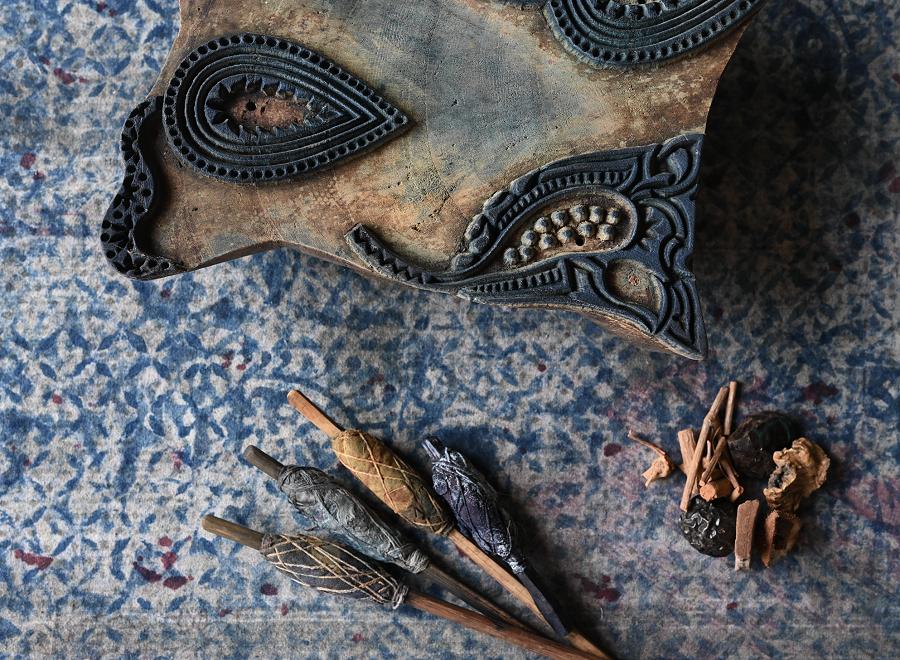
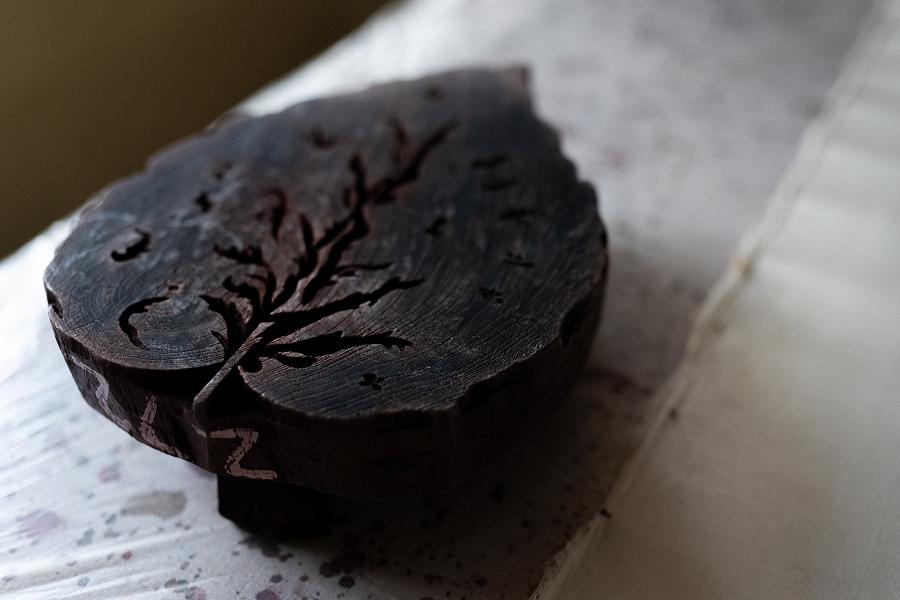
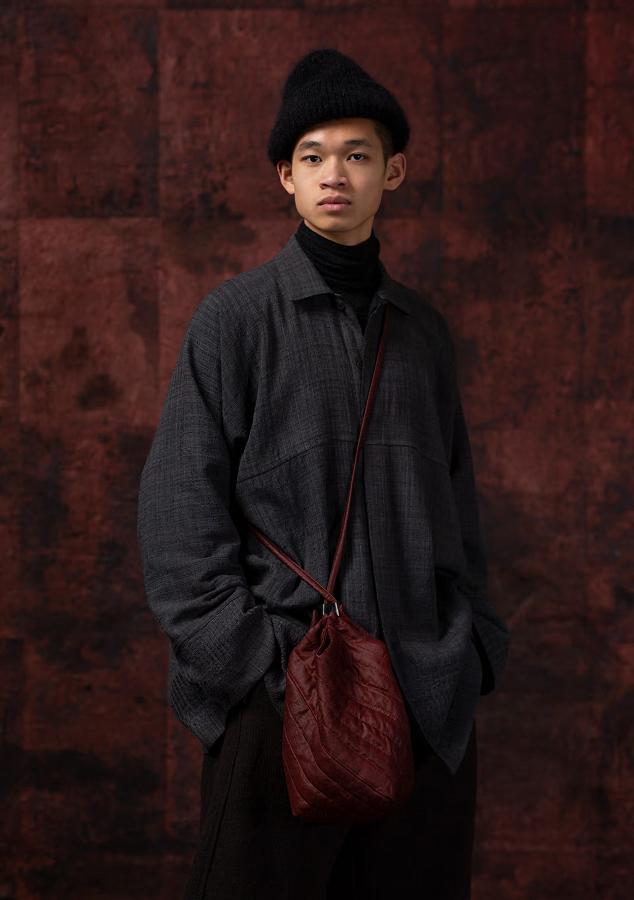
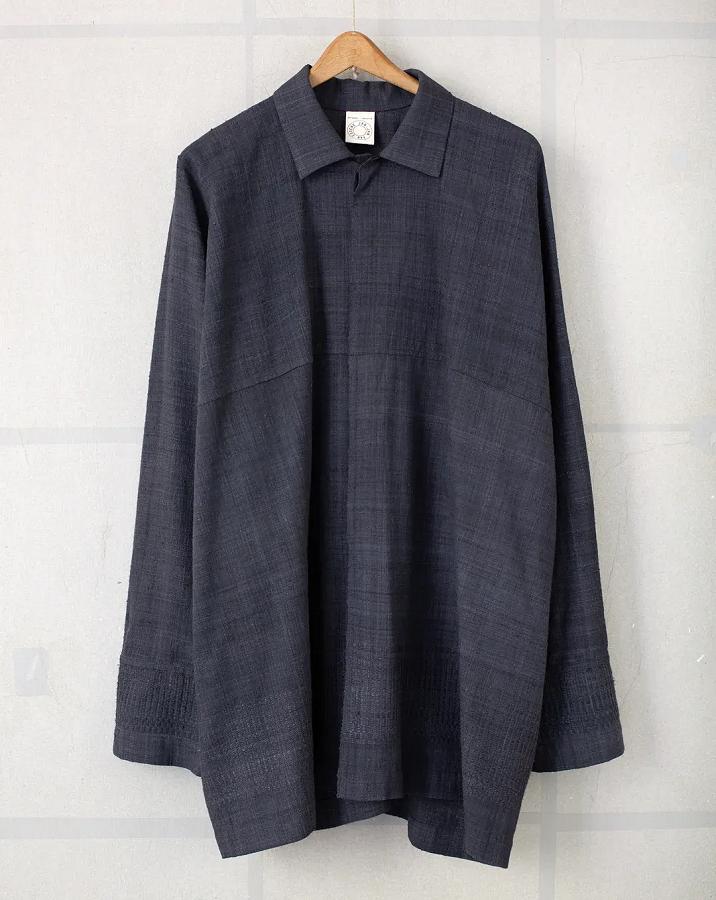
Photos Above: Jan Jan Van Essche × 7Weaves
The Brand’s Perspective
On the buyer and brand side, the challenges echo loudly. Many artisan-focused brands operate with thin margins and ethical commitments that leave little flexibility for sudden cost hikes.
At Laud the Label, the impact has been devastating. “If these tariffs remain in place long-term, I fear we’ll see a collapse of small artisan-driven brands who cannot absorb 50% increases in cost,” they said. “The loss of these brands will directly translate into lost income for thousands of artisans whose crafts sustain entire families.”
The brand is already absorbing significant losses, with most of its inventory having been presold at pre-tariff prices. “Our costs rose by 50% overnight. Seventy-five percent of our inventory was presold. If tariffs stay through next season, we won’t survive as a brand.”
Consultant Carol Campbell observes similar strain: “Unless you have deep credit or corporate backing, you’re forced to raise prices or slash margins. But with inflation cutting consumer spending, it’s a lose-lose – unless you can clearly demonstrate the value behind your product.”
In France, Maison Poire, which works with block printers in India, faces the same reality: “My wholesale margins are vanishing. Some brands will pivot to cheaper vendors, but I won’t – what I fell in love with was the process. I’d rather adjust my model than compromise on craft.”
Nicole Gallo of Ace and Jig adds, “There’s no denying that the recent tariff increases drastically impact us and many other small businesses like us. As of August 27th, we are now being charged 50% tariffs on goods from India, in addition to the standard 16% tariffs we already pay. We are lucky to have a manufacturing partner that is equally invested in finding solutions during this time. We’ve been in close contact with them, but ultimately our hope is that the tariffs are reversed, as a long-term 50% tariff is not sustainable for a small independent brand like ours. We’ve also found ways to advocate for our business and others in similar situations.”
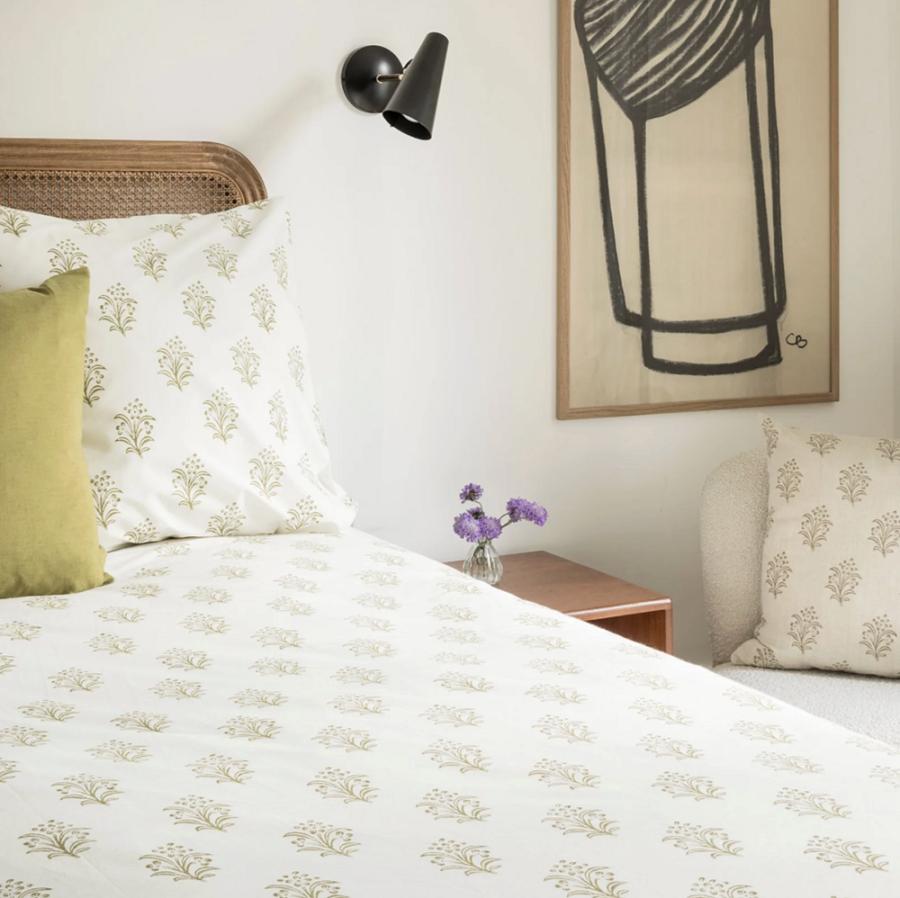
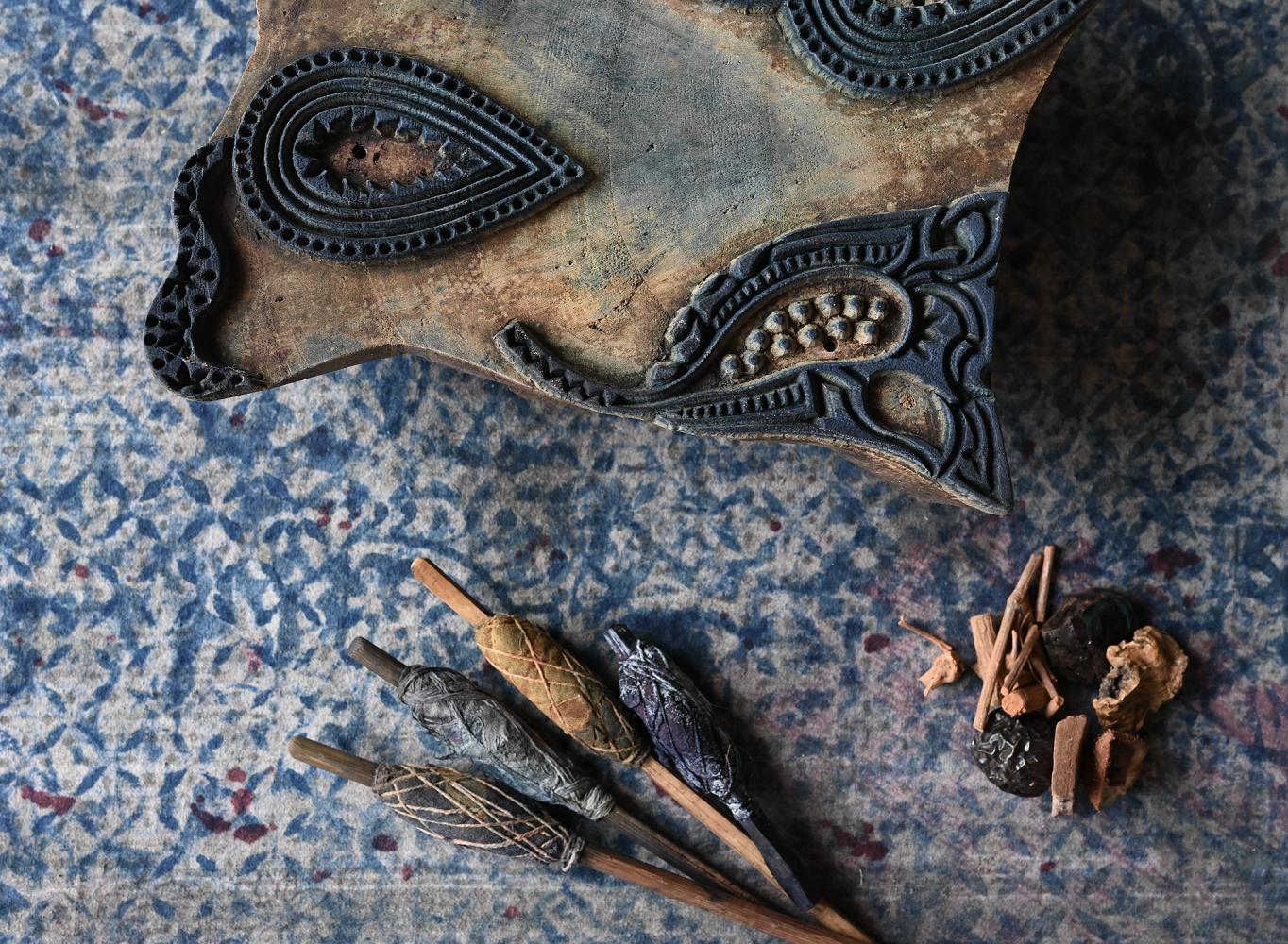
Photos Above: Maison Poire
“My wholesale margins are vanishing. Some brands will pivot to cheaper vendors, but I won’t – what I fell in love with was the process. I’d rather adjust my model than compromise on craft.” - Molly of Maison Poire
Creative Strategies and Shifts
Despite the strain, many are finding ways to adapt, speak up – and even evolve.
Harper of Proud Mary sees an opportunity to return to fundamentals: “Maybe this is a moment to put more value into a single piece. The industry is so used to the scale model, high volumes at competitive pricing, but higher-priced and higher-valued products could more easily absorb tariff increases while continuing to benefit artisan communities. I think we also need to see how this transforms the local markets and how countries can tap into their domestic markets and cater to them a bit more.
Ace + Jig is raising its voice –Nicole Gallo says, “Recently, ace&jig co-owner & designer Jenna Wilson traveled to Washington D.C. to speak at a conference on Anti-Trust and Trade Law put on by BYU Law. Along with expert panelists and former U.S. Trade Representative Katherine Tai, the panelists highlighted how recent shifts in U.S. Trade Policy are affecting competition in both the U.S. and Global economy. Jenna highlighted the unique challenges that our company has faced in light of the recent drastic tariff increases to India, and the strain these tariffs have put on our business and so many others like it. We were grateful for this opportunity to share our experience, and hope that speaking up will help create a groundswell for change, or at least help others in similar situations feel seen or heard! We continue to hope for a change to the trade agreements that will better protect small businesses like ours.” Khitish Pandya of Eco Tasar says, “We're ramping up our domestic business to try and cover the shortfall.”
Anita of Conserve is focusing on market diversification. "Encouraging small exporters to explore alternative markets beyond the US. We have explored an entire training program in collaboration with the government to benefit from the EU Green Deal and Free Trade Agreements, which are under negotiation. I am surprised that so many of the EU companies are themselves at a loss about these regulations in the general deal.” She adds, “We also need to continue to negotiate with the US to reduce or eliminate these tariffs. This we are doing through various artisan and cultural networks.”
Kullvi Whims says, “From our side, we are unable to reduce costs to compensate for the tariffs and have decided to focus on Europe this year and strengthen our existing markets.”
7Weaves adds perspective: “There are broadly two types of artisanal textile exports from India. The first includes handmade products that are also positioned at highly competitive price points. For these, an increase in tariffs can cause major disruptions, as they operate in price-sensitive markets with narrow margins. In contrast, for 7Weaves and similar artisanal brands, textiles are positioned in the premium segment, where their value is defined not just by the product but also by the story of materials, processes, and a holistic approach to making. In this space, we believe that higher costs are less likely to significantly affect demand.”
At Creative Women, Maura says they’re “thinking about shifting some of the product development to other countries,” but in the short term, focusing on higher-margin retail sales to balance wholesale losses.
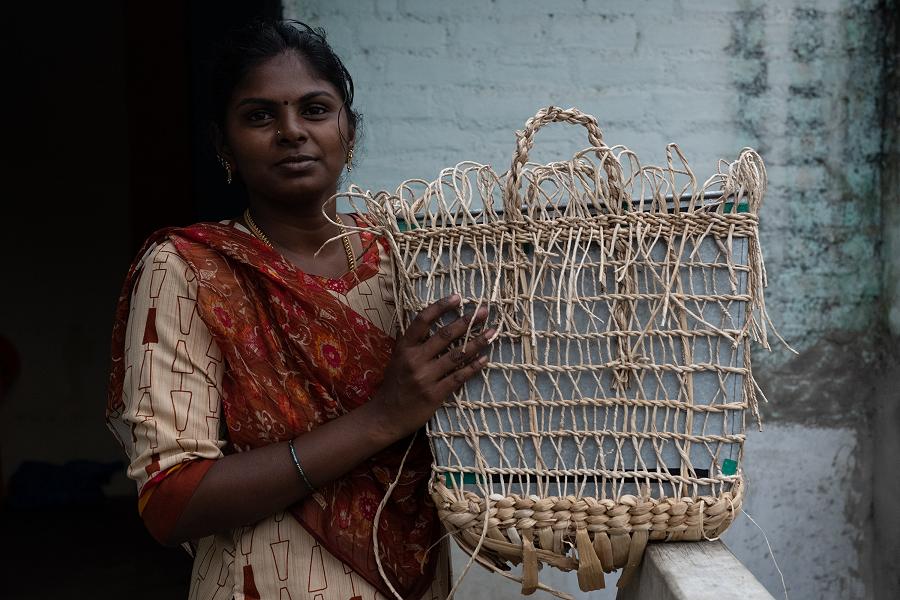
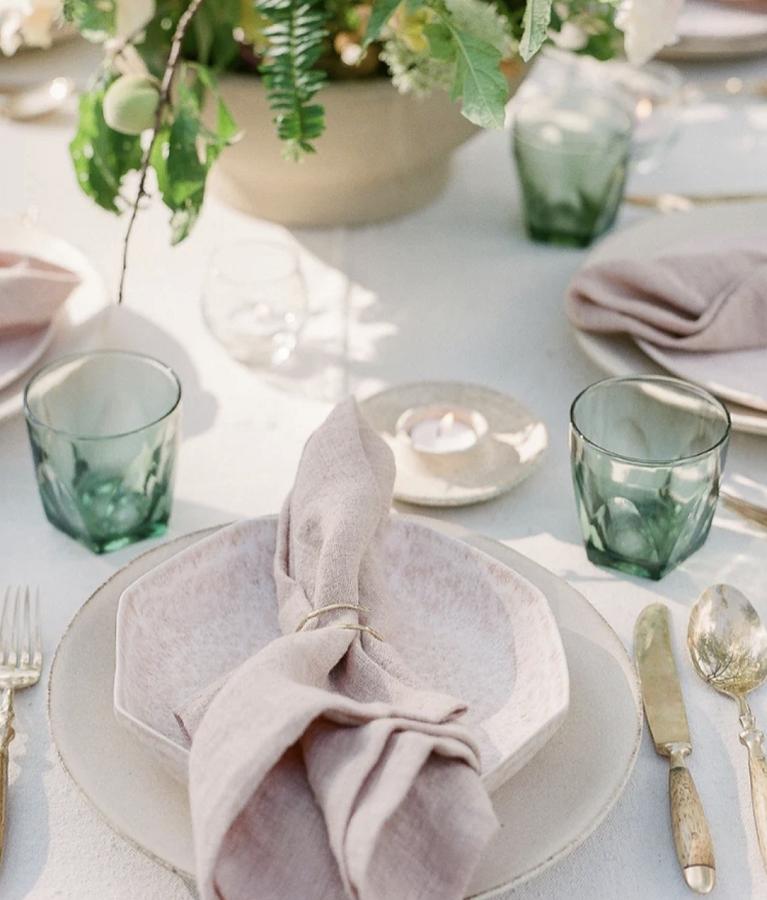
Photos Above: Gracie Bird Jones @madeeventsco for Creative Women
“Maybe this is a moment to put more value into a single piece." - Harper Poe
Treana from Obakki notes, “We passed the additional costs on to American customers but also used it as a chance to expand into new markets like Australia and the UK.” She adds, “I honestly think that out of all of this will come some good – we have relied on the US too much, and this will only push us to find more reliable partners, at least while this administration is around.”
Global Goods Partners echoes this cautious optimism: “We’ll do everything we can to absorb the impact without raising prices. It’s about protecting partnerships first.”
Export artisan craft consultant Carol Campbell encourages small import businesses with the following advice: “If you raise prices, show the value. If you can’t, consider reviewing your product offerings.” And for artisan producers, she says, “Keep in mind that even if the US market loses a quarter of its value, it’s still going to be one of the biggest markets in the world. And in the long term, one of the strongest.” She concludes, “So my thoughts for artisan producers are as follows –
- The best time to enter the market is when it is down because (a) you are already established when it ticks up again, and (b) it gives you an opportunity to negotiate the best rates for trade show participation. So if you are considering this, time it carefully.
- If you move forward, carefully consider every penny spent, as it may take longer to break even. This is not necessarily the time to over-invest. I personally believe this situation is temporary, and I also believe that the US market will be permanently changed when this idiocy is over.”
And from Maison Poire, a final thought: “This is a time to rethink business models – to focus on higher-margin products, explore new regions, and hold onto what makes us distinct. We can’t compromise the craft.”
Change has always been part of the global craft economy, but in moments like this, we must hold on, and perhaps the way forward is not in scale or speed but in focusing more on depth within local opportunities, proving the value that hopefully endures past these tariffs.
I see artisanal goods on the rise, and an ever-increasing demand, so hopefully this period of disruption is giving rise to something more lasting, and we’ll see renewed respect for the real value of handmade work on the other side of this turbulent era.
Thank you to all who shared your insights and experiences — a reminder that even in uncertainty, our collective voice remains strong.
Artisan Producers:
• Eco Tasar
• 7Weaves
• Conserve India
• East India Co
• Kullvi Whims
Brands / Consultants:
• Maison Poire
• Laud the Label
• Proud Mary
• Obakki
• Global Goods Partners
• Creative Women
• Consultant Carol Campbell