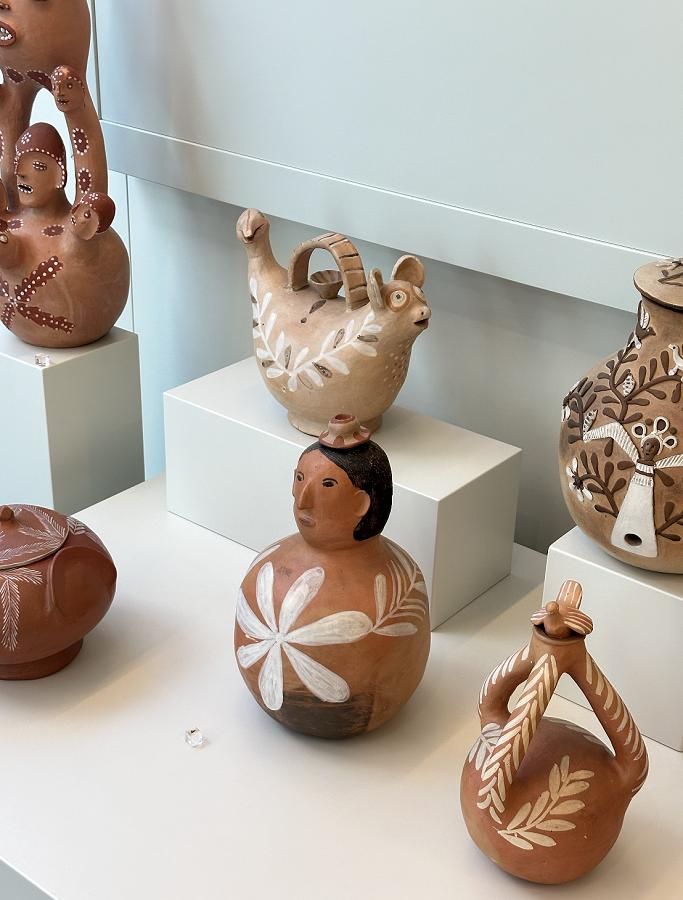
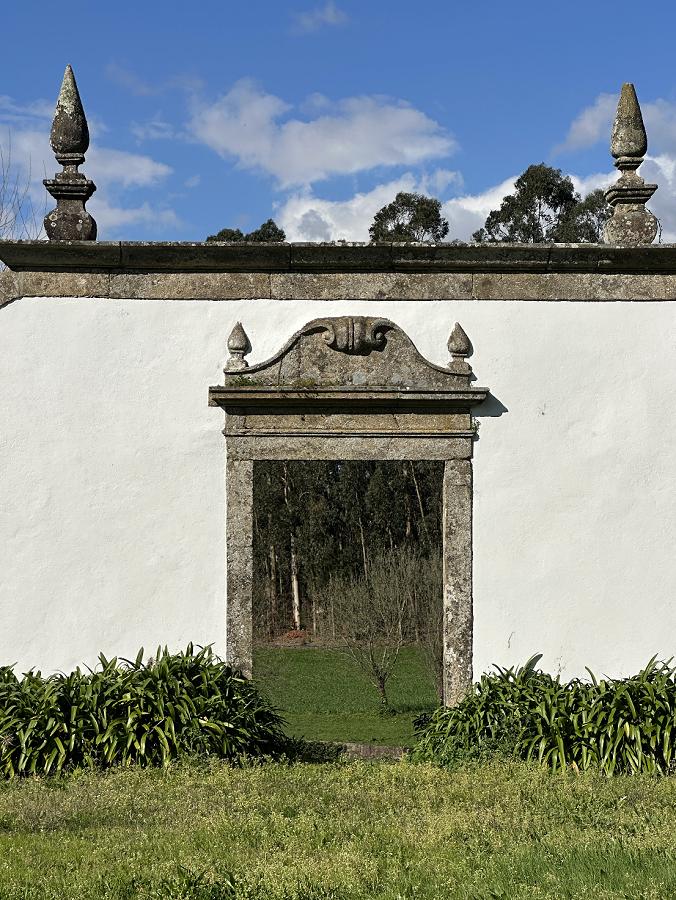
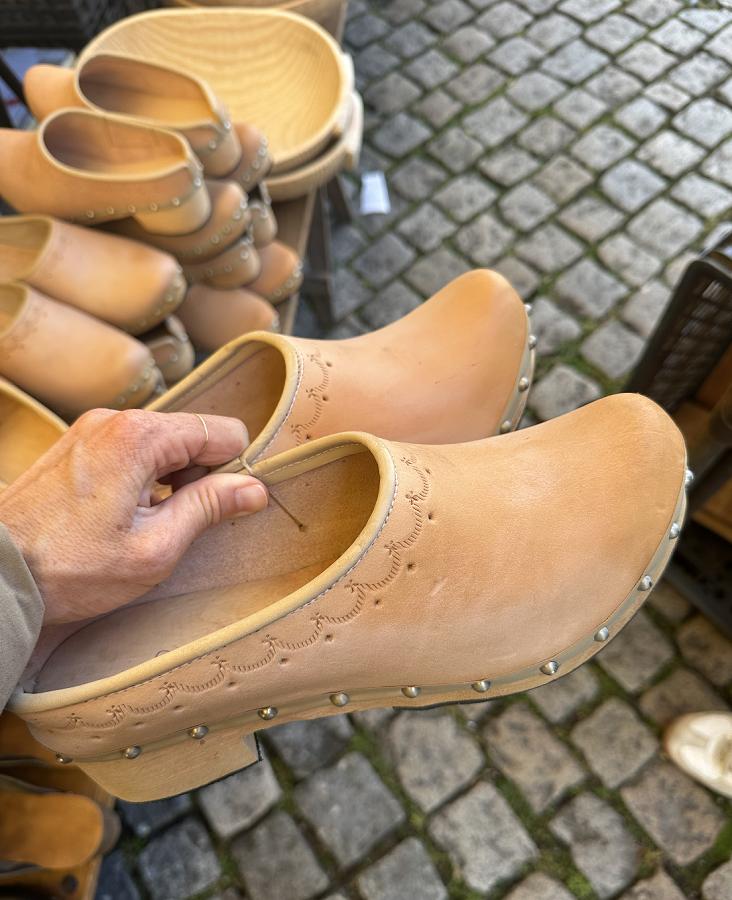
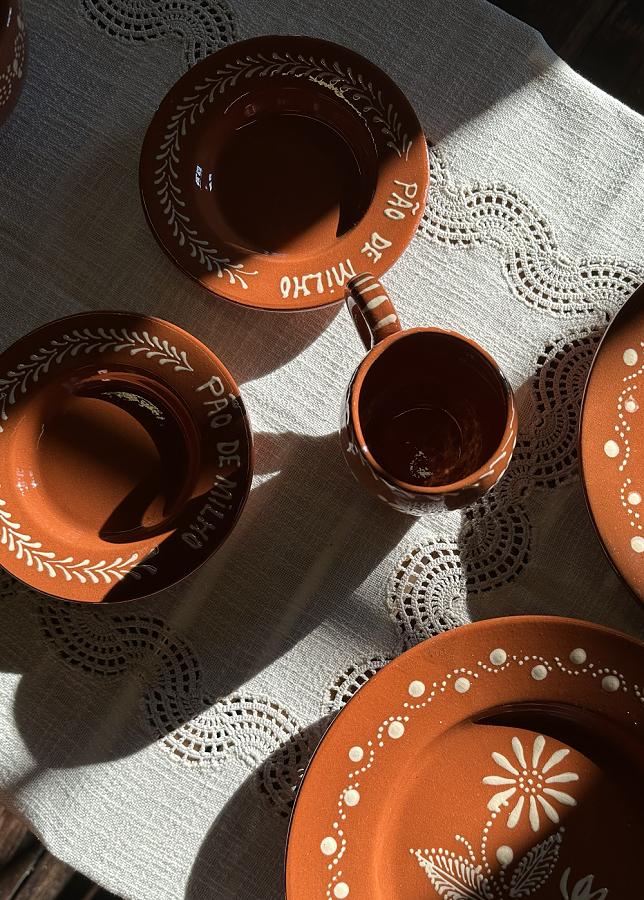
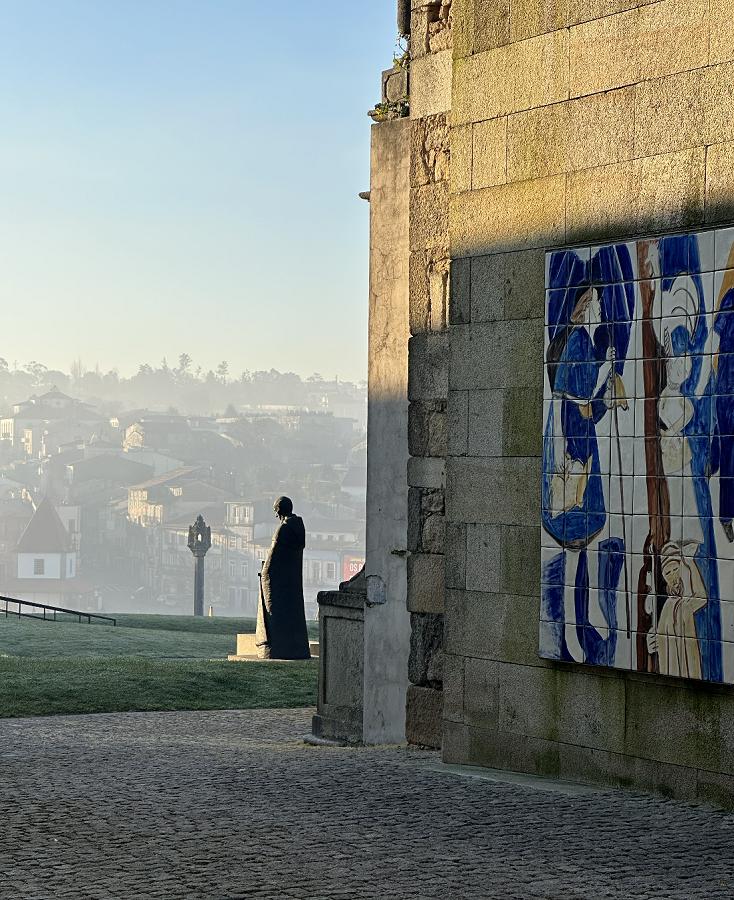
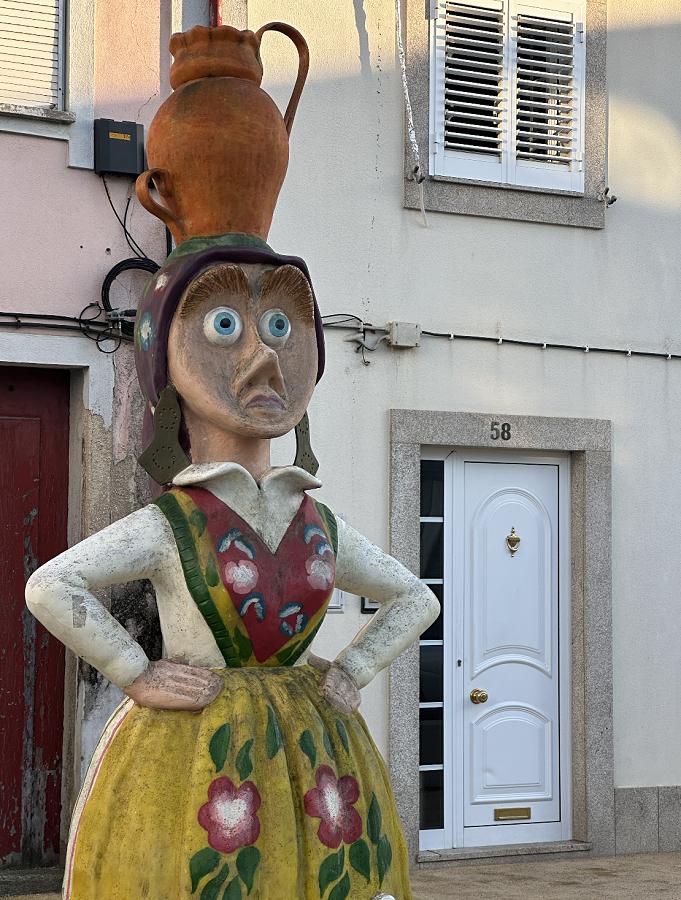
This month, I'm delighted to highlight a region in Portugal that truly walks the walk when it comes to preserving its rich culture and craft heritage. It’s a place where a dedicated, forward-thinking municipal team is passionately working to keep their cultural identity strong—while thoughtfully balancing tourism.

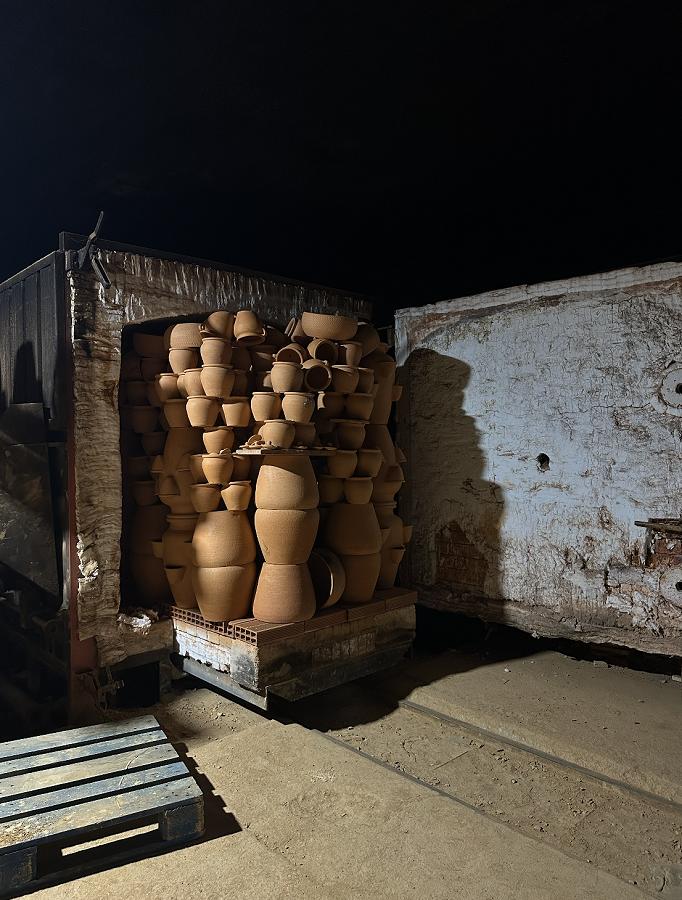
This city is called Barcelos, a municipality in the Minho Province of Northern Portugal. It’s an area rich in clay and water, where approximately 200 artisans across all sectors of handcrafting live and work.
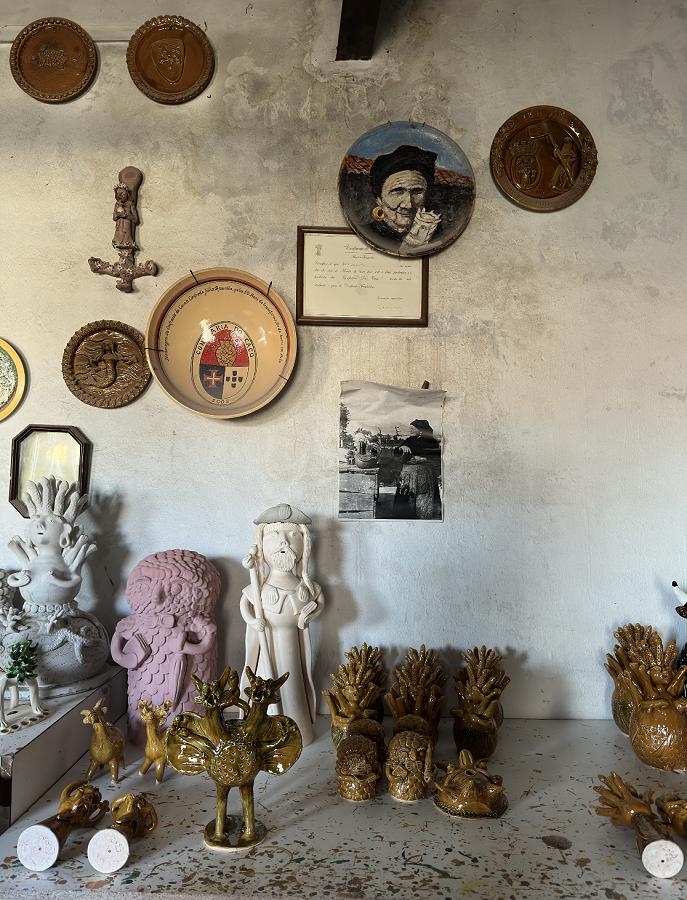
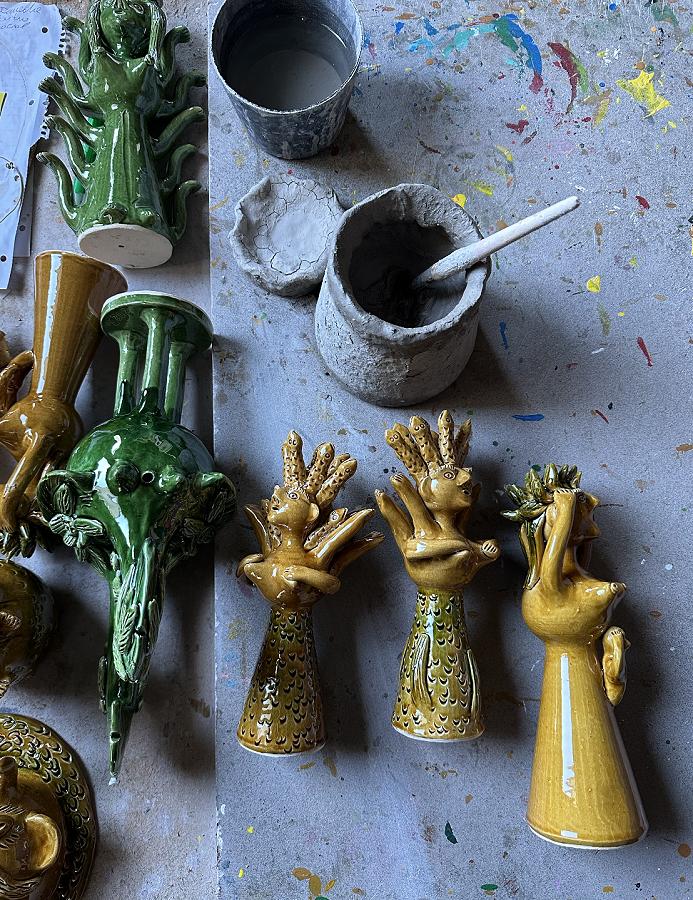
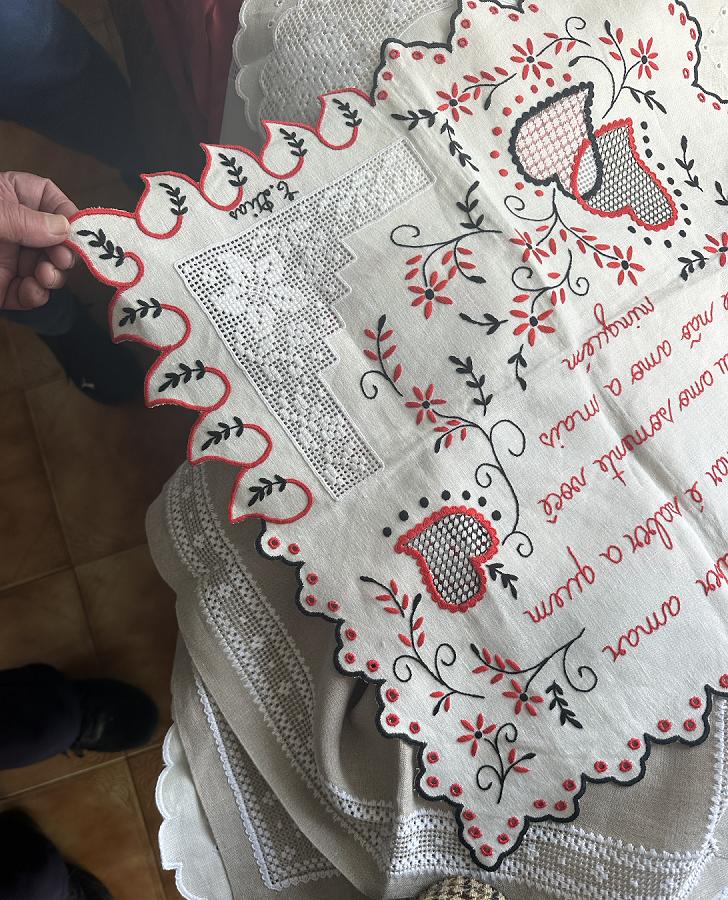
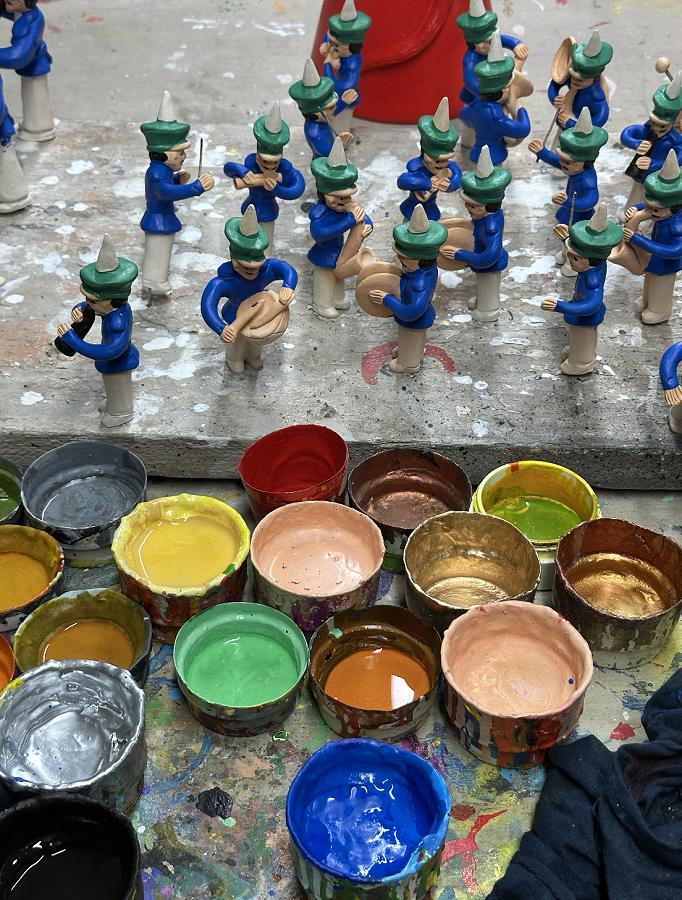
This past winter, I visited the region for the second time and was able to connect with Anabela Xavier, who works for the Barcelos Tourism Office. She was kind enough to introduce me to master artisans in the region. You can journey through the region’s history through its pottery – traveling between distinct traditions to see the inspiration that’s been drawn from daily life. The work in this region is often known for its vibrant use of color and distinctive shapes, reflecting both real and imagined expressions of each artisan and their traditions. It’s also often connected to the Rooster, a symbol of Portugal, which means sunrise, light, and new day.
This region exemplifies how a local municipality can lead in preserving culture and heritage. Barcelos creates enriching visitor experiences and has established a ruta de olería for visitors, buyers, collectors, and craft lovers to engage with regional artisans. Whether self-guided or coordinated with the municipality, you can visit expert artisans producing figurative ceramics and terracotta to buy from them directly.
The Barcelos municipality does an excellent job preserving its culture and heritage. As Anabela says, "We work very closely with the artisans to help support them. For example, when they need to be present at a handicraft fair or on national television (which happens very often), the municipality contributes to their transport. If they need human resources to assist with international visitors, we are always available to support them at the tourist office. Additionally, our national handicrafts fair, which takes place in the first 10 days of August, allows artisans to participate for free, which is a significant help. Sometimes, other cities that are part of UNESCO invite local artisans to be present, and the municipality aids them by covering transportation costs. Fortunately, the municipality is very involved with artisans to keep local crafts vibrant and creative."
“Pottery is in our blood.”
I asked the municipality why they felt this area, compared to other districts in Portugal, has been doing particularly well. They said, “Firstly, because Barcelos is home to the biggest craft symbol in Portugal—the Rooster of Barcelos. Then, we have many families (known throughout the country and abroad) who work and live solely for handicrafts. Fortunately, there's also a large number of people who adore and purchase the pieces. And finally, because Barcelos has the greatest number of artisans working every day to ensure that the crafts remain alive, since we are a UNESCO Creative City.”
Most artists are not set up for wholesale. Instead, visitors should expect to purchase unique pieces as collector's items at retail prices. This, in my mind, is what makes the concept successful and why so many of the artisans here are thriving. People who appreciate high-quality artisan craft are purchasing directly from the artists. The artists receive full profits without middlemen, and their work is valued, appreciated, and priced fairly.
Each artisan has a distinctive style that sets them apart from their neighbors, often drawing inspiration from their ancestors. Anabela adds, “The artisans are also very sensitive to the evolution of times, so they adapt their techniques according to the demands of the public, but always keeping the characteristics and expressions that identify them.”
Currently, most artisans are over 40 years old, but according to the municipality, “there are at least six younger artisans who are following in the footsteps of their parents.” That was a big takeaway – while the artisans are thriving now, uncertainty remains about who will continue these crafts in the future. From what I observed, however, there's optimism. Artisans in Barcelos appear content with their artistic lives and fair compensation. With time, hopefully this model of working and living will inspire their children and future generations.
For more info on how to arrange your trip to visit artisans in Barcelos, you can contact: turismo@cm-barcelos.pt
Travel Tips
Musuem:
Be sure to visit the pottery museum when you go!
https://www.cm-barcelos.pt/viver/cultura/museu-de-olaria/
Market:
Don't miss the infamous Thursday market in downtown Barcelos, where local vendors sell crafts, produce, and flowers.
Stay:
For a rustic, no-fuss farm stay:
Shop Barcelos Products in Lisbon:
Figuarado de Barcelos - R. de São Nicolau 81, 1100-060 Lisboa, Portugal